



The Heartland's Sweet Offerings: North India
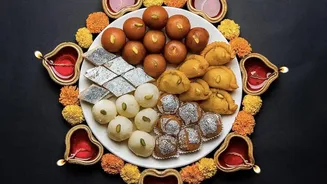
In North India, especially in the Braj region of Uttar Pradesh where Krishna is believed to have spent his childhood, the celebrations are steeped in sweetness. The undisputed star of the bhog (offering) is Makhan Mishri. This simple preparation of fresh
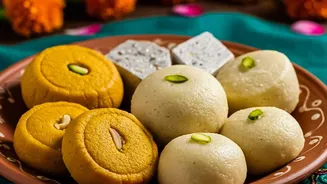
white butter mixed with rock sugar crystals is considered one of Krishna's favourites, evoking his playful image as 'Makhan Chor' or the butter thief. Another essential prasad is the Mathura Peda, a rich, caramelised milk sweet that originates from Krishna's birthplace. Made by slow-roasting khoya (milk solids) until it turns a beautiful brown, it's a taste of pure devotion. For those observing a fast and avoiding grains, Dhaniya Panjiri is a must. This unique concoction is made by roasting coriander seed powder in ghee with nuts and makhana (fox nuts), offering a fragrant and flavourful alternative to wheat-based panjiri.
Playful Pyramids and Shared Meals: Western India
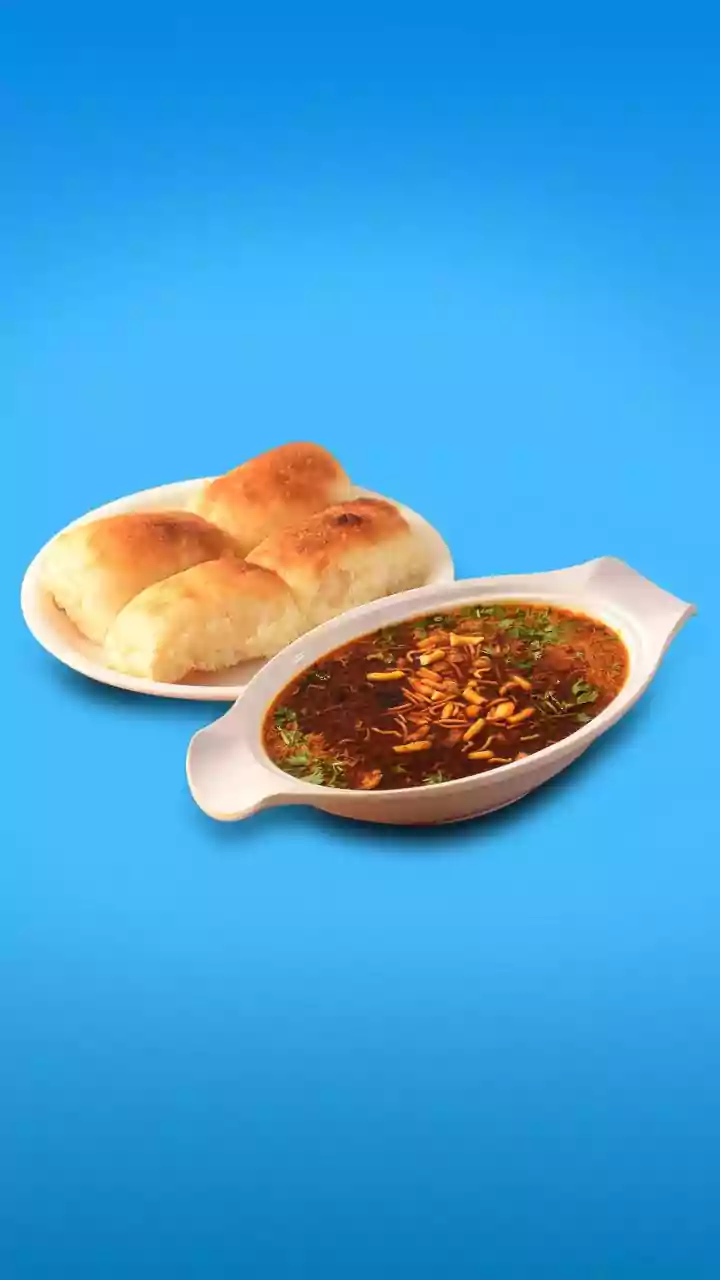
In Maharashtra and Gujarat, the festive spirit spills onto the streets with the energetic tradition of Dahi Handi. This event reenacts Krishna's childhood antics of stealing curd. To celebrate, a special dish called Gopalkala, also known as Dahi Kala, is prepared. It's a savoury mixture of poha (flattened rice), curd, cucumber, coconut, and mild spices. This dish symbolises the meal Krishna shared with his friends, the cowherds, where everyone pooled their food together. In many households, Gopalkala is the first food eaten to break the Janmashtami fast. Alongside this, Shrikhand, a creamy, sweet dessert made from hung curd and flavoured with saffron and cardamom, is a festive favourite, embodying the region's love for rich, milk-based sweets.
Crispy and Savoury Greetings: South India
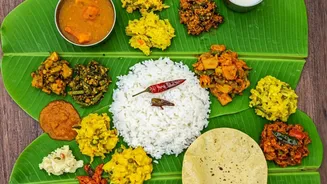
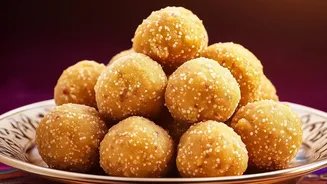
Down south, where the festival is known as Krishna Jayanthi or Gokulashtami, the offerings take on a distinctively crunchy and savoury character. The focus is on deep-fried delights made from rice flour. A common and beloved sight are tiny footprints drawn with rice flour paste, leading from the entrance to the prayer room, symbolising baby Krishna's arrival. The prasad platter here is laden with snacks like Uppu Seedai (salty, fried rice flour balls) and Vella Seedai (its sweet counterpart made with jaggery). These require careful preparation to ensure they are perfectly crisp. Murukku, a spiral-shaped crunchy snack, is another staple prepared for the occasion. These snacks, along with sweet preparations like Nei Appam (ghee-fried rice and jaggery cakes), create a beautiful balance of sweet and savoury flavours.
Sweet Fritters and Regional Delights: Eastern India
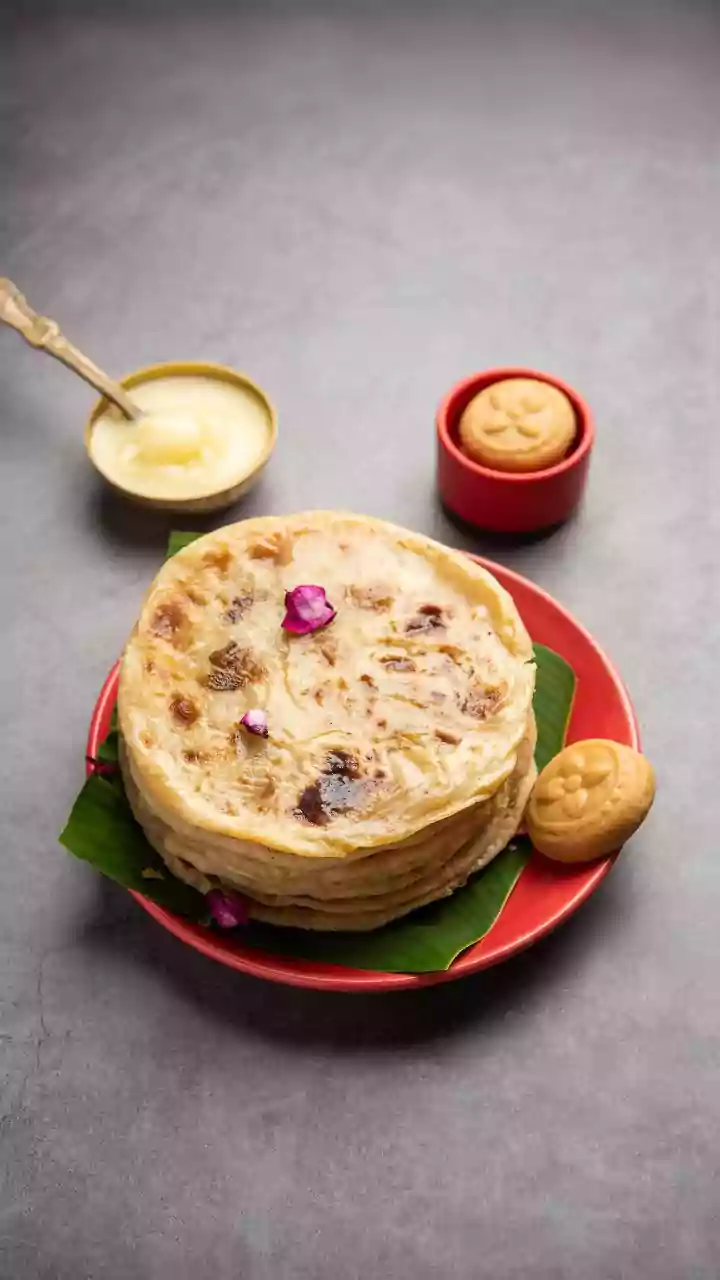
In the eastern states of West Bengal and Odisha, Janmashtami is celebrated with unique regional sweets. In West Bengal, the festival coincides with the season of the sugar palm fruit. This leads to the preparation of Taler Bora, sweet fritters made from ripe palm pulp, rice flour, and sugar or jaggery, which are deep-fried to a golden brown. This seasonal delicacy is a special offering made to Krishna. In Odisha, the celebrations are closely tied to the Jagannath culture. Devotees prepare a variety of bhog, including Chuda Ghasa, a mixture of flattened rice (chuda), jaggery, grated coconut, and ghee. Like in other parts of India, milk-based sweets are also popular, often made from chhena (fresh cottage cheese), reflecting the region's renowned expertise in dairy-based desserts.