








The Great Diet Debate
For decades, a war has been waged between diet philosophies. One camp demonises fats, while another insists carbohydrates are the enemy. This has created a confusing landscape for anyone looking to improve their health or lose weight. Popular diets often
promise rapid results by promoting a specific set of rules, frequently cutting out entire food groups. Yet, for all the debate, a growing body of evidence suggests we might be focusing on the wrong thing. An emerging consensus points not to the specific composition of a diet, but to a person's ability to follow it over time. This is what researchers call 'dietary adherence', and it may be the single most important variable in achieving long-term health goals.
What the Science Actually Says
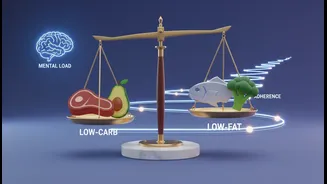
Several major studies have put popular diets to the test. One landmark study, known as DIETFITS, randomly assigned over 600 adults to either a healthy low-fat or a healthy low-carb diet for a year. The results were surprising: at the end of the 12 months, there was no significant difference in weight loss between the two groups. On average, people in the low-fat group lost 5.3 kg, while those in the low-carb group lost 6.0 kg. What mattered more than the diet type was the huge variation within each group, with some people losing a lot of weight and others gaining some. This echoed earlier research comparing the Atkins, Zone, Weight Watchers, and Ornish diets, which also concluded that weight loss was strongly associated with adherence, not the specific diet followed. The simple takeaway from this expensive, rigorous research is that a variety of diets can work if people can stick to them.
Why Consistency Is So Difficult
If sticking to a diet is the secret, why is it so hard? The answer lies in psychology and physiology. Many diets fail because they trigger an 'all-or-nothing' mindset. A single slip-up, like eating a piece of cake at a party, can lead to feelings of guilt and failure, causing the person to abandon the diet entirely. Another barrier is the feeling of deprivation that comes from overly restrictive plans. Banning favourite foods can increase cravings and make the diet feel like a punishment. Life itself—stress, social events, and lack of time—also gets in the way. Our brains are wired for efficiency, and when we are tired or stressed, our decision-making capacity drops, making it easier to reach for quick, comforting, but less healthy options. Our bodies can even work against us by slowing metabolism in response to drastic calorie cuts, making further weight loss more difficult.
Finding a Diet You Can Live With
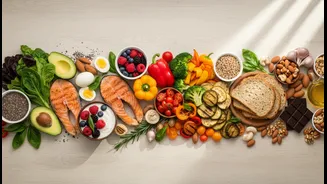
The focus, then, should shift from finding the 'best' diet to finding the best diet for you. This means choosing an eating pattern that aligns with your lifestyle, food preferences, and cultural background. A sustainable plan is one that doesn't feel like a constant battle. It should be flexible enough to allow for social occasions and the occasional treat. Instead of adopting a strict, named diet, experts suggest focusing on food quality. A plan rich in whole foods like vegetables, fruits, lean proteins, and healthy fats is beneficial regardless of its macronutrient ratio. The key is to build a foundation of healthy habits that you can maintain consistently, not just for a few weeks or months, but for life. This includes strategies like meal planning and finding a strong support system.
Practical Tips for Sticking With It
Building consistency is a skill. Start by making small, manageable changes rather than a complete overhaul. If your diet is too rigid, you're setting yourself up for failure. Instead, use a 'reset rule': if you have an off day, don't spiral into guilt; simply get back to your healthy habits at the next meal. Automate your choices where possible to reduce decision fatigue, such as having a few go-to healthy breakfasts or lunches. Find non-food ways to cope with stress, like going for a walk or calling a friend. And most importantly, be kind to yourself. Progress isn't linear. The people who succeed long-term aren't the ones who never slip up; they are the ones who recover quickly and keep going.