





A City Under a Blanket of Smog
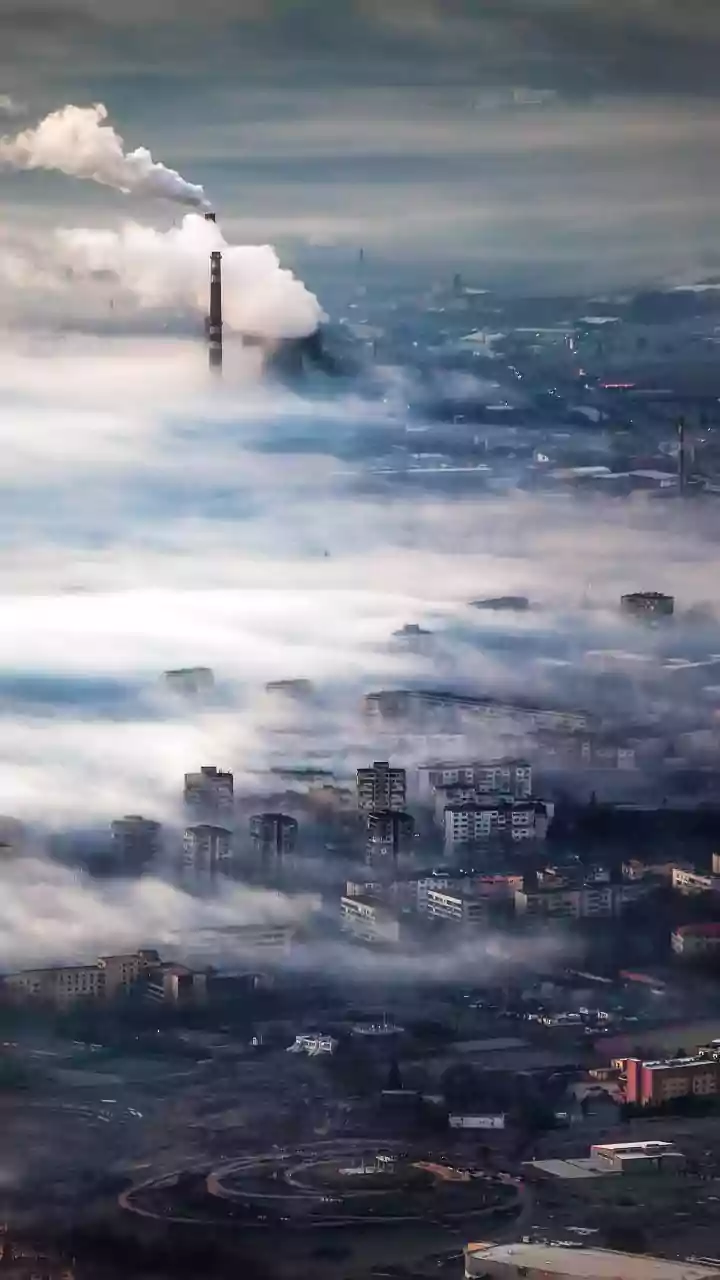
Delhi is once again grappling with a severe air quality crisis. In early November 2026, the Commission for Air Quality Management (CAQM) invoked Stage III of the Graded Response Action Plan (GRAP) as the Air Quality Index (AQI) consistently remained in the 'Very
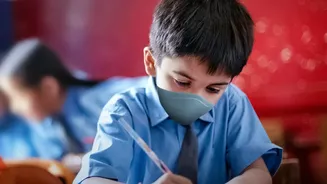
Poor' and 'Severe' categories. This emergency plan includes measures to curb pollution from vehicles and construction, but its most immediate impact on families has been the disruption of normal life, particularly for its youngest residents. To limit exposure, authorities have directed schools to take protective measures, fundamentally altering the daily routines of hundreds of thousands of children.
From Classrooms to Screens, Again
In response to the hazardous air, the Delhi Directorate of Education has instructed schools to hold classes in a hybrid mode for students up to Class 5. This gives parents the option to keep their children home for online lessons, a difficult echo of the pandemic-era lockdowns. While the move is a necessary precaution against the physical harms of pollution, it comes at a cost. The shift back to screens means a loss of in-person social interaction, collaborative learning, and the simple joys of school life. Parents and experts alike are concerned about the cumulative effect of these repeated disruptions on children's development and well-being.
The Invisible Walls of Indoor Confinement
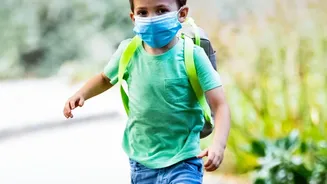
Being forced indoors means more than just missing school; it means the absence of outdoor play, a critical component of a healthy childhood. Parks, playgrounds, and even balconies become off-limits as the air outside turns toxic. This confinement can lead to feelings of boredom, frustration, and loneliness. Experts warn that this lack of physical activity and separation from nature can have profound effects on a child's mental state. A 2026 study by the NGO Chintan revealed that the inability to play outside was a major source of distress for children in Delhi-NCR, making them feel constrained and isolated.
A Growing Anxiety Among the Young
The link between air pollution and mental health is an area of growing research. Experts suggest that exposure to pollutants can contribute to inflammation in the brain, potentially leading to increased anxiety and mood disorders. However, the more immediate concern is the psychological stress from the lifestyle changes imposed by the smog. Psychiatrists and pediatricians note that the combination of health fears, social isolation, and confinement can act as a significant trigger for anxiety in children. Symptoms can be subtle and may present as irritability, anger, changes in sleep or eating patterns, difficulty concentrating, or physical complaints like headaches and stomach-aches. Children may become more clingy, constantly seek reassurance, or withdraw from activities they once enjoyed.
How Parents Can Help Navigate the Smog
While parents can't control the air quality, they can play a crucial role in mitigating its psychological impact. Establishing a predictable daily routine can provide a sense of stability for children. Finding creative ways to stay active indoors, such as through dance, yoga, or games, can help release pent-up energy and improve mood. It's also vital to maintain social connections, even if it's virtually through video calls with friends and family. Experts emphasize the importance of open communication. Parents should encourage children to talk about their fears and worries without dismissing them. Acknowledging their feelings and explaining the situation in age-appropriate terms can help reduce their sense of uncertainty and helplessness. Limiting exposure to constant negative news about pollution while also managing overall screen time can further protect their mental space.