





After running a record 50 hours into overtime, the COP31 climate summit in Antalya, Turkey, has collapsed without a final agreement. The crucial talks, meant to forge a global path forward, broke down over one central, contentious issue: fossil fuels.
The Unbridgeable Divide
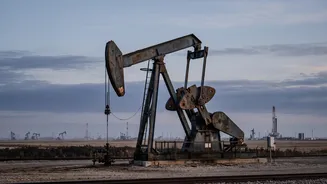
The primary cause for the summit's failure was the inability to find common ground on the future of oil, gas, and coal. A draft text of the final agreement, known as the Antalya Pact, saw all explicit mentions of phasing out or transitioning away from fossil fuels removed after objections from major oil and gas-producing nations, including Saudi Arabia and Russia. This watered-down version was unacceptable to a broad coalition of other countries. The European Union, joined by the UK and climate-vulnerable nations like Panama and the Marshall Islands, formally rejected the text, stating it was unconscionable to sign a deal that didn't even name the primary driver of climate change. This created what the negotiations' chair called 'unbridgeable red lines' between the blocs, leading to the first collapse of UN climate talks in over a decade.
The Contentious Role of Carbon Capture
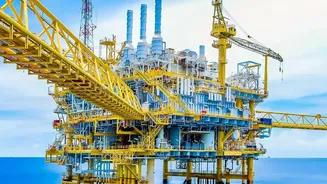
Instead of commitments to phase out fossil fuels, the weakened draft emphasized the role of technologies like carbon capture and storage (CCS). This was a key demand from oil-producing states, which argue that such technologies allow for continued energy production while managing emissions. However, critics and many climate-vulnerable nations view this as a dangerous loophole. They argue that CCS technology is expensive, unproven at the required scale, and risks becoming a greenwashing tool that prolongs global dependence on polluting fuels rather than encouraging a genuine transition to clean energy. The fear was that endorsing the text would open the floodgates to a fossil fuel industry-friendly approach, derailing real emissions cuts.
Finance and Fairness at the Forefront
Beyond the battle over wording, the talks were hampered by deep disagreements on climate finance. Developing nations came to Antalya seeking concrete commitments from wealthier countries to help fund their transition to greener economies and adapt to the escalating impacts of climate change. A key proposal to triple adaptation financing to $120 billion was a major point of discussion but ultimately failed to get concrete backing in the final drafts. For many developing countries, including India, the failure of developed nations to deliver on past financial promises has created a deep sense of mistrust. This group argues that it is unfair to demand they abandon fossil fuels—the very energy source that powered the industrialisation of the West—without substantial financial and technological support.
What This Means for India
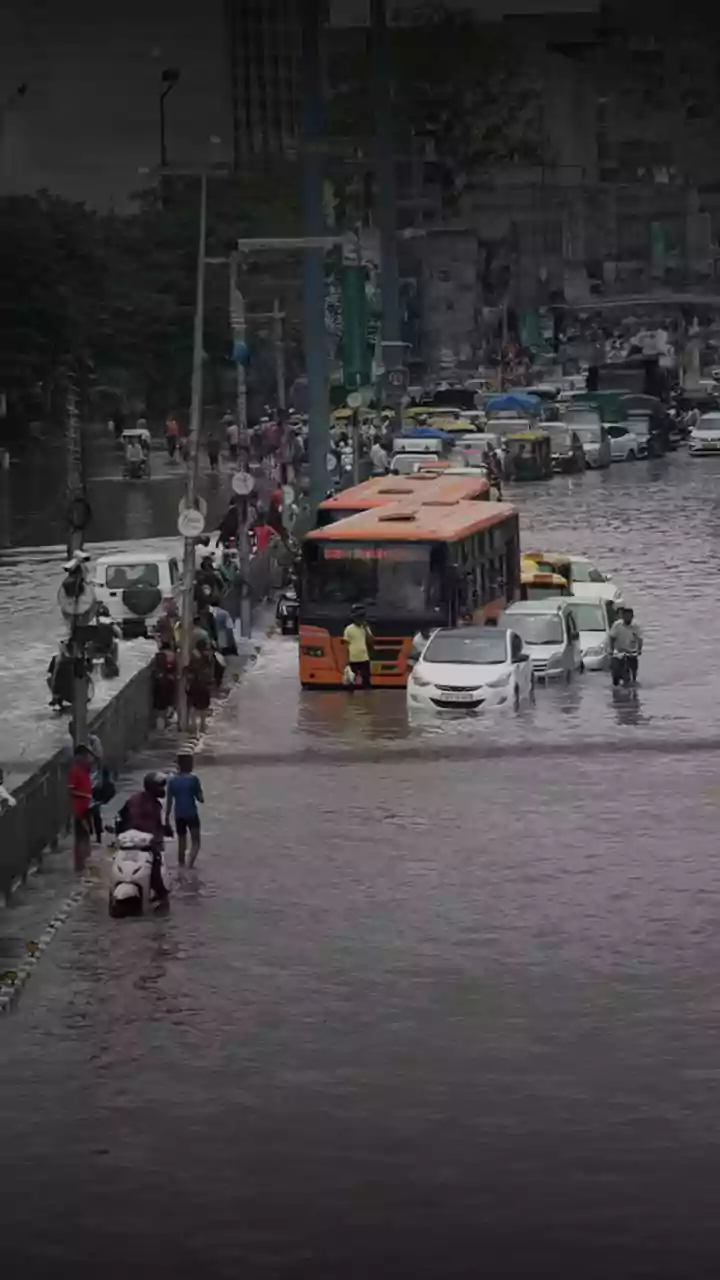
India, as the world's third-largest emitter, played a complex role in the negotiations. While supporting the need for climate action, India has consistently argued that pathways to phase out fossil fuels must be equitable and nationally determined, not imposed uniformly. Citing energy security and development needs for its large population, India resisted calls for a blanket phase-out, prioritizing instead the 'phase-down' of coal and demanding greater financial commitments from the developed world. The collapse of the talks places India in a challenging position. On one hand, the lack of a global mandate on fossil fuels provides continued policy space for its energy transition strategy. On the other, the failure to secure adaptation finance leaves the country more exposed to the severe climate impacts it is already facing.
What Comes Next After the Collapse?
While the failure to adopt the Antalya Pact is a significant setback, it does not nullify the Paris Agreement or previous commitments. However, it does signal a potential shift in strategy. Frustrated by the consensus-based process where a few nations can block progress, some countries may increasingly pursue smaller, parallel agreements outside the main UN framework. Initiatives like the Fossil Fuel Non-Proliferation Treaty are gaining momentum among a bloc of nations ready to move faster. The focus now shifts to COP32 in Addis Ababa, Ethiopia, where the unresolved and deeply divisive issue of fossil fuels will inevitably take centre stage once again. The world will be watching to see if global leaders can bridge the divides that broke the talks in Turkey or if the multilateral climate process itself is in jeopardy.