


The Ultimate Monsoon Comfort Food
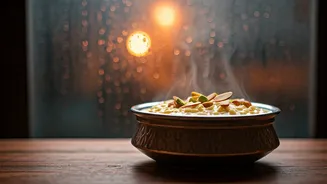
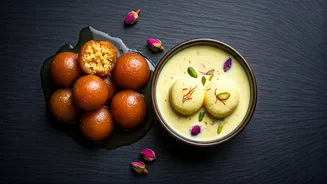
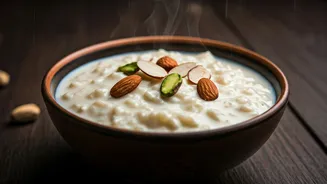
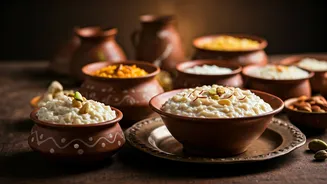
Kheer is more than just a dessert; it's a feeling. This slow-cooked pudding, made by simmering rice, milk, and sugar, is a staple during festivals and family gatherings. [30, 31] During the monsoon, its significance grows. The rainy season in India is seen
as a time of rejuvenation and joy, and special dishes are prepared to welcome it. [27] Kheer, often made with freshly harvested rice, is one such delicacy, particularly in regions like Punjab where it's a traditional monsoon staple. [27] The warmth of a freshly prepared bowl of kheer provides a comforting contrast to the cool, damp weather, while its simple, nourishing ingredients offer emotional comfort. [30] The slow cooking process allows the flavours to deepen, creating a dessert that feels both simple and special. [31]
The Classic: Mastering Rice Kheer
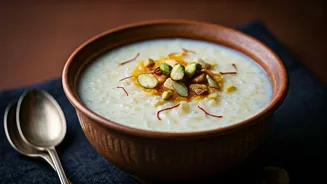
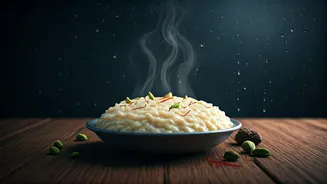
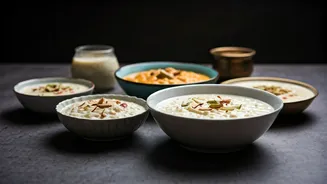
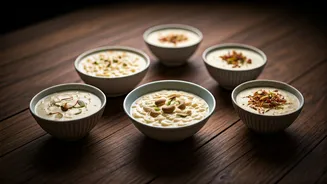
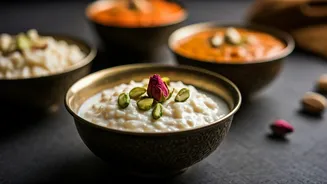
Every kheer journey begins with the classic rice version, or 'Chawal ki Kheer'. Its beauty lies in its simplicity and the creamy texture achieved through patient cooking. [15] For a perfect, fragrant kheer, Basmati rice is often preferred, though short-grain rice also works well as it breaks down easily. [3, 11] To begin, rinse about ¼ cup of rice and soak it for 20-30 minutes. [3, 9] In a heavy-bottomed pan, bring 1 litre of full-fat milk to a gentle boil, stirring occasionally to prevent it from sticking. [16] Add the drained rice and let it simmer on low heat. [3, 17] Stir every few minutes, scraping the sides, until the rice is completely cooked and the milk has thickened, which can take about 25-30 minutes. [3] Finally, add sugar to taste, crushed cardamom for aroma, and a handful of chopped nuts like almonds and cashews. [9, 14]
Monsoon Idea #1: The Pearl-like Sabudana Kheer
For a change in texture, Sabudana Kheer is an excellent choice. Made with tapioca pearls (sago), this version is light, creamy, and especially comforting on a rainy evening. [12] It's a popular dish during fasts but is equally cherished during the monsoon. [12, 23] The key is to rinse and soak the sabudana for at least a few hours to ensure it cooks evenly. [12, 24] A common trick to prevent the pearls from sticking is to first cook them in a little water until translucent before adding them to hot milk. [12, 25] Once the sabudana is added to the simmering milk, continue to cook until the pearls are soft and the kheer thickens. [26] Flavoured with cardamom and saffron, and garnished with nuts, it’s a delightful sweet treat. [23]
Monsoon Idea #2: The Speedy Seviyan Kheer
When a sweet craving hits suddenly with the pitter-patter of rain, Seviyan Kheer (vermicelli pudding) is the answer. It's incredibly quick and easy to prepare. [20] The process starts by roasting vermicelli (seviyan) in a little ghee until it turns golden brown and aromatic. [4, 13] This step gives the kheer a wonderful nutty flavour. [4] Then, hot milk is added, and the mixture is simmered until the vermicelli softens and the milk thickens, which usually takes only about 15-20 minutes. [4, 20] Sugar, cardamom powder, and nuts are stirred in towards the end. [10, 18] Because it comes together so fast, it's the perfect dessert for an impromptu monsoon celebration.
Monsoon Idea #3: The Unique Lauki Kheer
For a truly seasonal and unconventional twist, try Lauki Kheer. Made from bottle gourd (lauki or dudhi), this kheer is surprisingly delicious and makes use of a quintessential monsoon vegetable. [2] To prepare it, the lauki is peeled, grated, and squeezed to remove excess water. [5] It's then sautéed in ghee until it softens before being added to simmering milk. [2, 7] The mixture is cooked until the lauki is tender and the milk has reduced and thickened. [6] Sweetened with sugar and flavoured with cardamom and rose water, this kheer has a unique, subtle flavour and a soft texture that is both refreshing and comforting. [5]
Pro Tips for Perfect Kheer
Achieving the perfect creamy consistency is the heart of a good kheer. [22] Always use a heavy-bottomed pan to prevent the milk from scorching. [16] Full-fat milk will yield the creamiest result. [16, 22] The secret is to simmer on a low flame, allowing the milk to thicken gradually while stirring regularly. [11, 16] Don't wash the rice too much, as the surface starch helps in thickening the kheer. [22] Lastly, always add sugar towards the end of the cooking process; adding it too early can prevent the rice from cooking to a soft, melt-in-the-mouth texture. [15]