





The Great Transformation
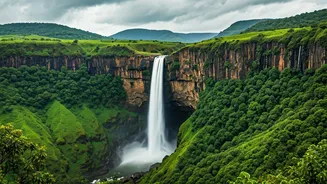
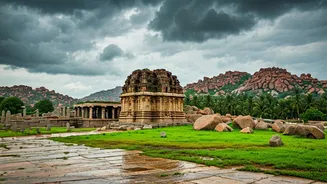
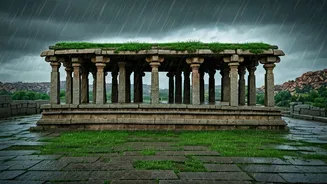
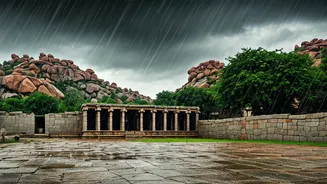
The arrival of the southwest monsoon in Karnataka, typically between July and September, works a profound magic on Hampi. The first showers wash away months of accumulated dust, instantly deepening the colours of the landscape. The iconic, rust-red granite
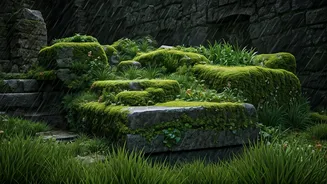
boulders that define Hampi’s surreal terrain turn a dark, moody shade of green-black as they become coated in moss and lichen. The air, usually dry and hot, becomes thick with the scent of wet earth and blossoming flora. This is not just a change in weather; it's a complete sensory shift that transforms the UNESCO World Heritage site from a historical exhibit into a living, breathing environment. The saturated green of the banana plantations and paddy fields provides a stunning contrast to the dark, wet stone, creating a visual drama that is both breathtaking and deeply atmospheric.
A Symphony in Wet Stone
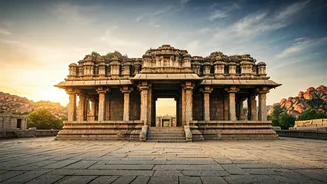
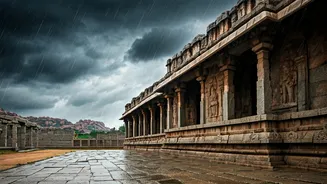
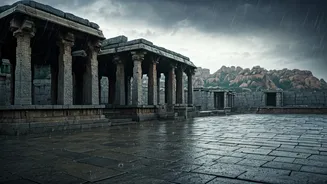
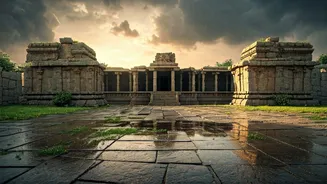
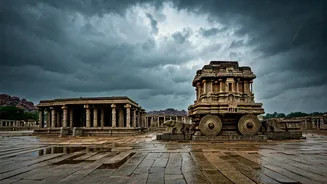
The rain brings out a hidden dimension in Hampi's legendary architecture. At the Vittala Temple, the famous stone chariot seems to gleam, its intricate carvings sharpened by the moisture. The sound of raindrops on the ancient stone roofs of the temple complex adds a musical rhythm to the silence. In the heart of Hampi, the Virupaksha Temple, one of India's oldest functioning temples, takes on an even more spiritual ambiance. The rain cools the stone corridors, and the smell of incense mingles with the petrichor from the wet flagstones. The moody monsoon light, diffused by cloud cover, is a photographer's dream, offering soft, dramatic illumination that makes the ancient carvings on temples like Hazara Rama and the monolithic Lakshmi Narasimha statue appear even more profound. Puddles form on the rocky terrain of Hemakuta Hill, creating perfect reflections of the temple gopurams against a turbulent sky.
The Landscape Comes Alive
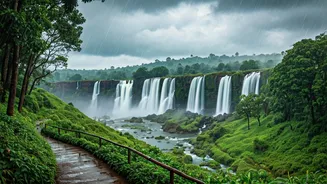
Beyond the temples, the entire landscape awakens. The Tungabhadra River, often a gentle stream in the dry season, swells with monsoon water, becoming a powerful and dramatic force. While coracle rides are often suspended for safety due to the strong currents, simply viewing the river from the ancient ghats becomes a spectacle in itself. The once-dry stepwells, known as Pushkaranis, and temple tanks like the one at the Queen's Bath fill with rainwater, reflecting the grand structures and overcast skies. These water bodies were central to the urban design of the Vijayanagara Empire, and seeing them as they were intended—full of water—offers a glimpse into the city’s original layout and lifeblood. The surrounding hills, like Matanga and Anjaneya, become lush and green, offering misty, magical views over the entire rain-soaked kingdom for those willing to brave a careful trek on the slick paths.
A Quieter, More Intimate Hampi
Perhaps one of the most compelling reasons to experience Hampi in the monsoon is the quiet. This period is considered the off-season, meaning the crowds that throng the ruins during the popular winter months are absent. This relative solitude allows for a more personal and intimate connection with the ancient city. You can explore the vast complexes of the Royal Enclosure or the Elephant Stables with few others around, allowing the history and atmosphere of the place to truly sink in. This quietness also makes the local priests and guides more available, potentially offering deeper insights, like a viewing of the natural camera obscura effect in a chamber of the Virupaksha temple gopuram. However, visitors must be cautious. The wet stone can be slippery, and heavy rains can cause localized flooding or damage to the ancient structures, a reminder of the monsoon's power.