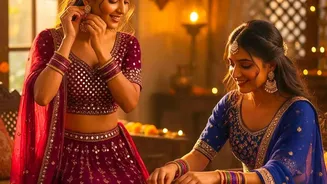

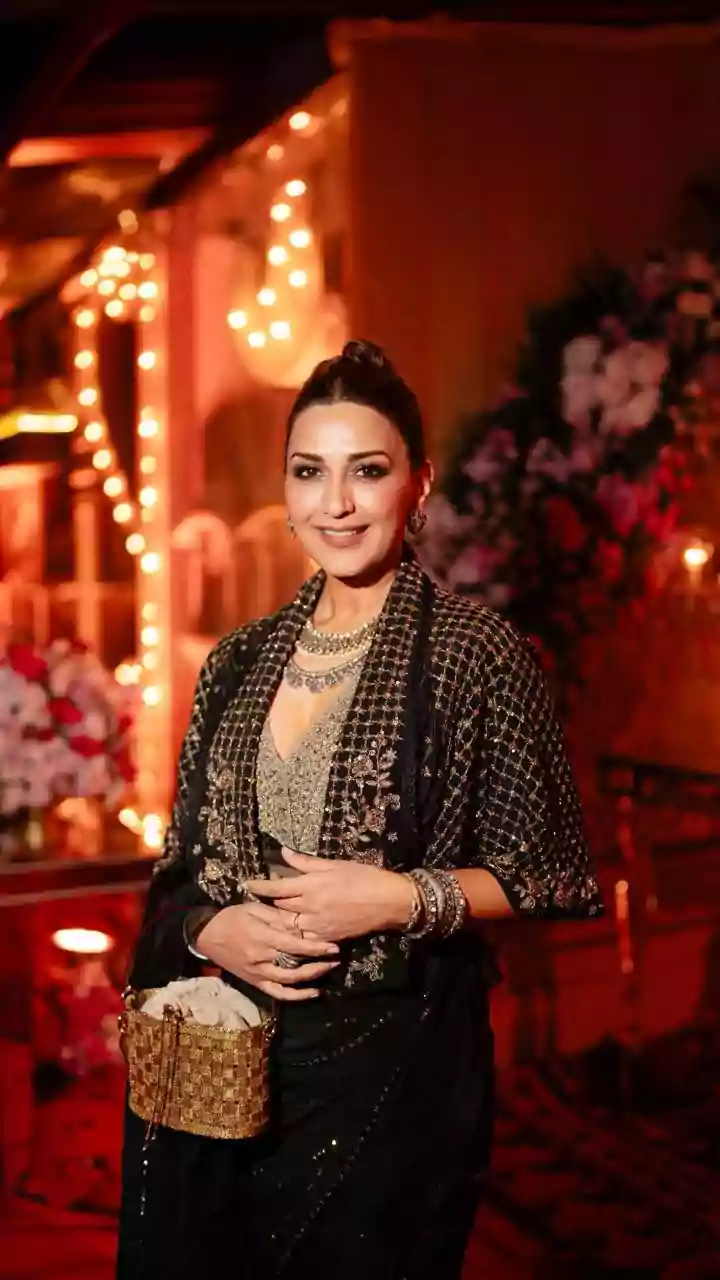
The era of the one-time-wear wedding lehenga is fading. A major shift is underway in Indian occasionwear, where conscious choices are redefining luxury. It's a move towards outfits that are not only stunning but also sustainable and rewearable.
A New Definition of Bridal Luxury
For years,
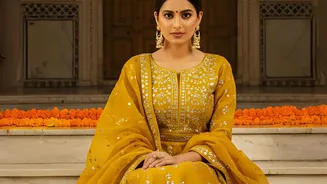
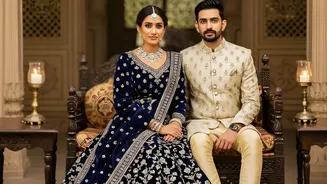
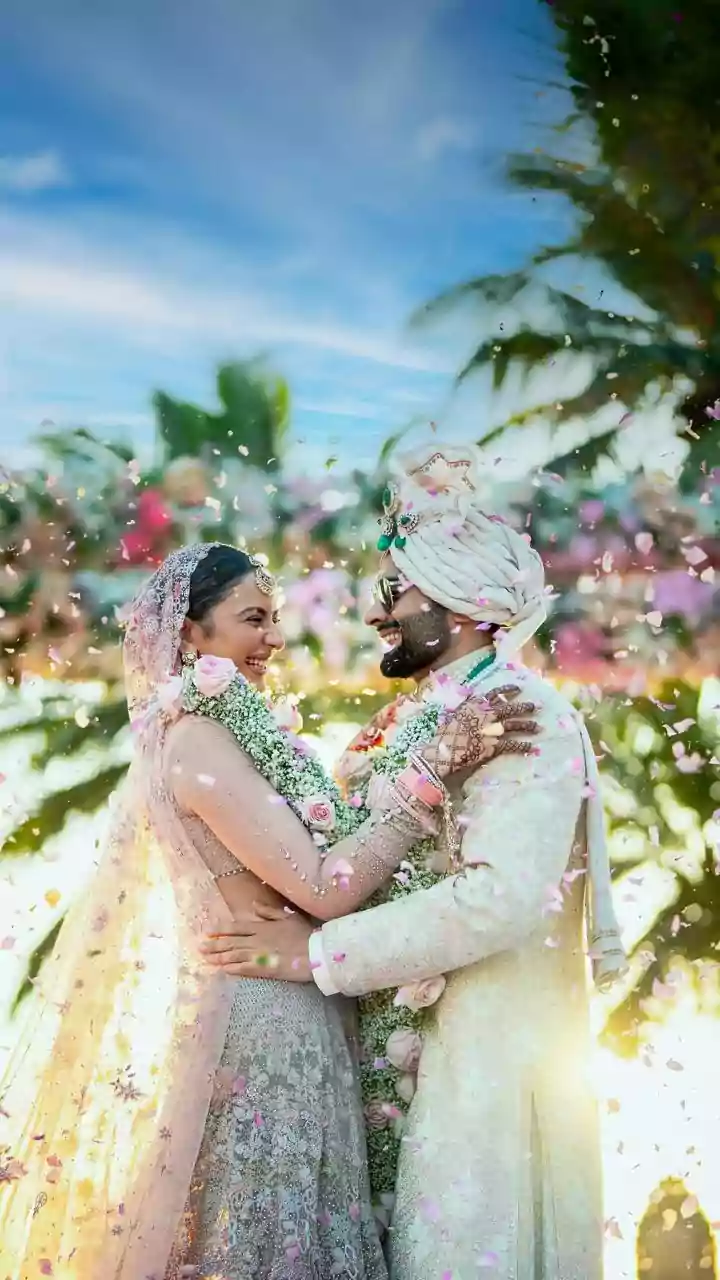
the 'Big Fat Indian Wedding' was synonymous with opulence, often translating to elaborate outfits worn for just a single day before being relegated to the back of a closet. But in 2026, a new mindset is taking root, driven by a generation of consumers who prioritise intention and ethics alongside aesthetics. This shift is not about compromising on glamour; it’s about upgrading the very definition of luxury. Today, brides and wedding guests increasingly want to know how their clothes are made, what materials are used, and whether the design has a life beyond the main event. This growing consciousness, particularly among Gen Z and millennials, is pushing designers to innovate, creating a powerful movement towards sustainability in a market traditionally defined by excess.
The Fabric Revolution
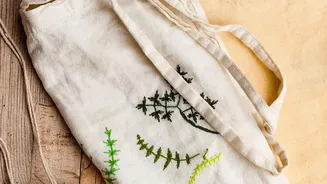
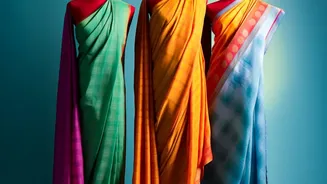
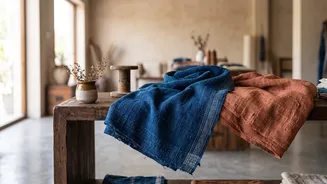
At the heart of this transformation are the fabrics themselves. Instead of heavy synthetics, designers are embracing a new generation of eco-friendly materials that offer luxury without the environmental toll. Plant-based fibres like Tencel (a brand of lyocell) and Modal are becoming stars in the occasionwear space. Derived from wood pulp, these fabrics are celebrated for their silky smoothness, beautiful drape, and breathability. Tencel, produced in a closed-loop system that recycles water and solvents, has a subtle sheen perfect for structured gowns and blouses. Modal is known for its extreme softness and vibrant colour uptake, making it ideal for outfits that feel like a 'second skin'. Other materials like organic cotton, linen, hemp, and even modern options like bamboo and cupro (a 'vegan silk' alternative) are also finding their way into bridal collections, offering comfort and elegance.
Designers Answering the Call
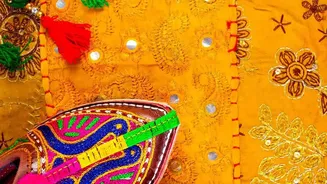
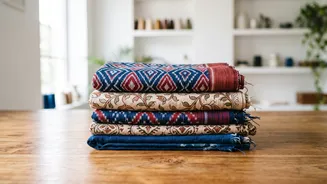
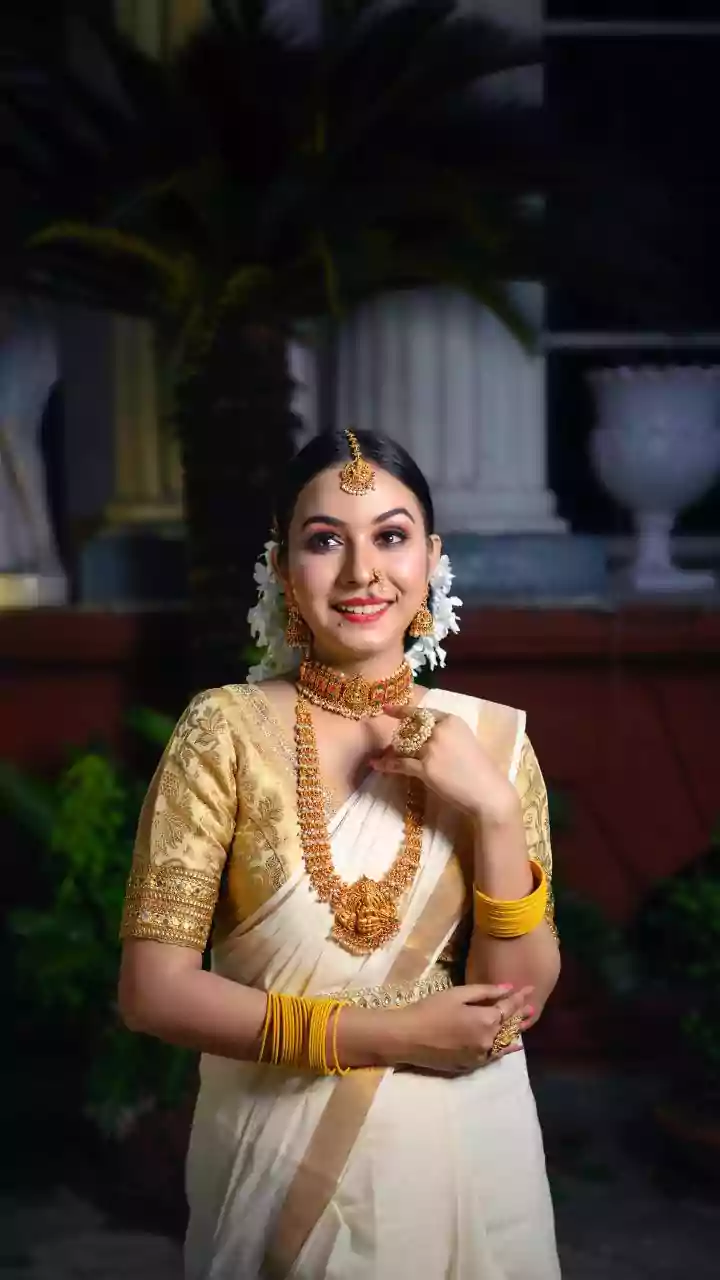
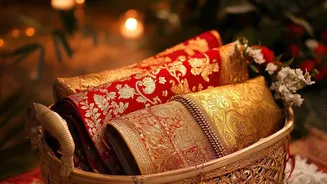
Indian designers are at the forefront of this movement, skillfully blending traditional craftsmanship with modern, sustainable materials. Brands are emerging that focus on ethical production, fair wages for artisans, and timeless designs. Labels like Anavila, known for organic linens, and Okhai, which empowers rural artisans, have paved the way for a fashion ecosystem where heritage and sustainability coexist. Even established names in bridal couture are incorporating sustainable practices by championing heritage textiles and handloom techniques. This approach supports 'slow fashion', where made-to-order pieces reduce waste and celebrate the intricate skills of 'karigars' who practice ancient arts like zari and chikankari. The result is a garment that carries a story of human craft, not mass production.
From Single-Use to Style Staple
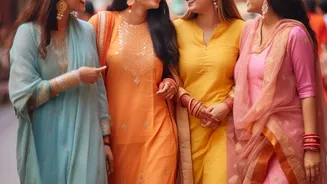
The choice of sustainable fabrics directly influences design, making rewearability an organic outcome. Because materials like Tencel, linen, and soft cottons are more versatile and comfortable than heavily embellished, rigid textiles, they lend themselves to more modern silhouettes. We are seeing a rise in modular outfits: lehenga skirts paired with crop tops that can be worn separately later, elegant kurta sets, and fusion wear that blends traditional and contemporary cuts. Designers are creating pieces intended to be restyled and reworn for other celebrations, moving away from the concept of a single purpose outfit. This focus on minimalism—clean cuts, softer colours, and lighter embroidery—makes the garments timeless and adaptable, ensuring their place in a wardrobe for years to come.