



The New Urban Reality: Small Spaces, Big Aspirations
The rise of co-living and shared rentals in cities like Bengaluru, Mumbai, and Delhi is a direct response to modern economic realities. Escalating property costs and the desire for prime locations mean that for many young professionals, personal space
is a premium. Yet, this generation is unwilling to compromise on lifestyle. They seek homes that are not just a place to sleep, but a space that reflects their personality and adapts to their dynamic lives, which include hybrid work models and active social calendars. This is where the limitations of traditional, bulky furniture become apparent, paving the way for a more intelligent and flexible approach to furnishing.
Enter Modular: The Smart Solution
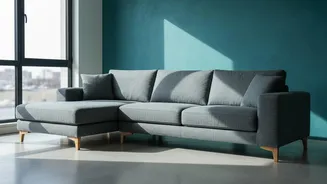
Modular furniture consists of pre-made, independent units that can be combined in various configurations. Think of it like building blocks for your home. Instead of a single, immovable sofa, you get a sectional with pieces that can be rearranged to fit any corner, split into separate seats, or expanded later. This trend is booming in India because it directly addresses the needs of urban dwellers. It's customisable, easy to assemble, and, crucially, portable—a major advantage for a generation that frequently moves for new opportunities. The focus is on getting furniture that adapts to the home, not the other way around.
Maximising Every Square Foot
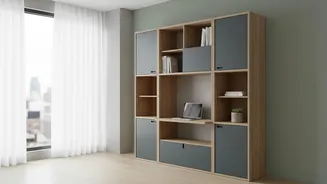
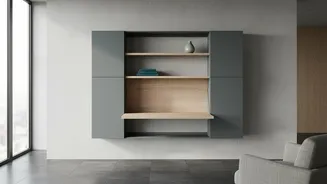
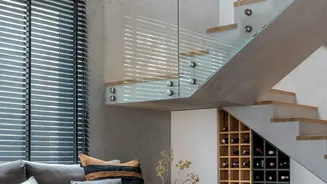
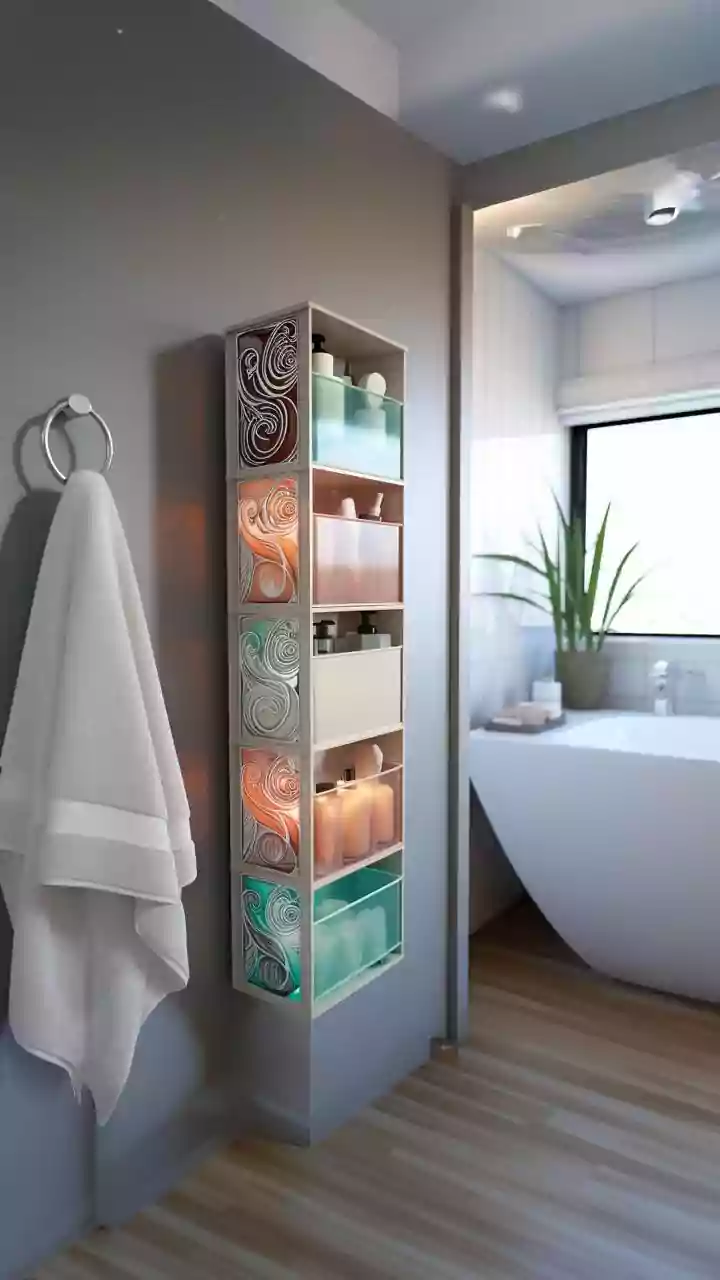
In a small, shared apartment, every inch counts. Modular furniture is designed to be multifunctional and space-saving. Young professionals are using vertical space with stackable shelving units that double as room dividers. Coffee tables that extend or contain hidden storage are popular for decluttering living areas. Sofa-cum-beds and foldable desks allow a living room to transform into a guest room or a home office in minutes, a necessity in the post-pandemic hybrid work culture. Beds with built-in drawers offer much-needed storage without taking up extra floor space, while wall-mounted units keep floors clear, creating an illusion of a larger area.
Personalising a Temporary Home
Living in a rental or co-living space often comes with restrictions on permanent changes. Modular furniture offers a powerful way to personalise a space without drilling a single hole. By choosing units with different colours, fabrics, or finishes, residents can inject their own style into a generic room. A modular bookshelf can be configured to display personal items and books, while a sectional sofa can be arranged to create a cosy nook for relaxation. This ability to customise and rearrange helps a temporary apartment feel more like a personal sanctuary, fostering a sense of ownership and comfort even on a short-term lease.
A Wise Investment for a Mobile Generation
For a young professional, a career path can be fluid, often involving moves between cities. Investing in traditional furniture that may not fit a future home is a financial risk. Modular furniture, however, is an asset that evolves with its owner. A small configuration that fits a studio apartment can be expanded with additional units for a larger home later on. Because it can be easily disassembled, it's far easier and cheaper to move than heavy, solid pieces. This makes it a sustainable, long-term investment that adapts to life’s changes, offering practicality and style that endures beyond a single address.