


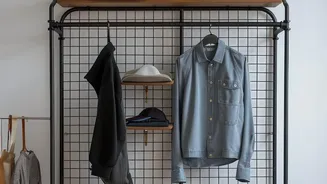
Establish Your Drying Zone
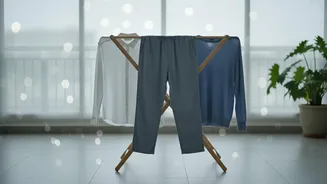
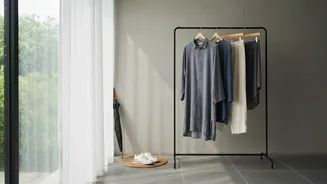
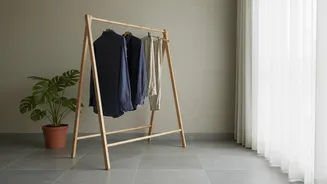
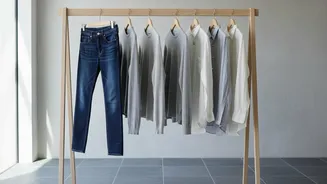
Before the downpours begin, designate a specific area in your home as the monsoon drying zone. This isn't just about placing a clothes rack; it's about creating a system. Ideally, choose a room or a corner with good ventilation. A spare room, a covered
balcony, or even a bathroom with an exhaust fan can work well. Avoid placing drying racks directly against walls to prevent moisture from seeping in and causing mould. Ensure the flooring is protected. Place a waterproof mat or old towels beneath your drying rack to catch drips and prevent damage to wooden or laminate floors. Having a fan nearby is crucial. A pedestal or ceiling fan doesn't just dry clothes faster; it keeps the air circulating, which is essential for preventing the stuffy, humid feeling that takes over a home when drying clothes indoors.
The Wet Laundry Strategy
Managing laundry is the biggest challenge. The key is to remove as much water as possible before hanging clothes to dry. If your washing machine allows, use an extra spin cycle. When hanging clothes, space them out properly on the rack; overlapping items trap moisture and take much longer to dry. Give each garment enough room for air to pass through. To combat the dreaded musty smell, which is caused by mildew, you can add half a cup of white vinegar or baking soda to your wash cycle. These natural deodorizers help kill bacteria and neutralize odours without leaving a scent. If clothes still feel slightly damp after a day, ironing them can help remove the last traces of moisture and kill any lingering mildew spores.
Handling Soaked Shoes
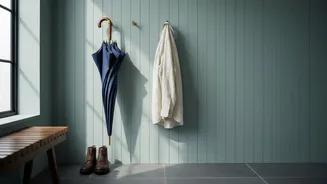
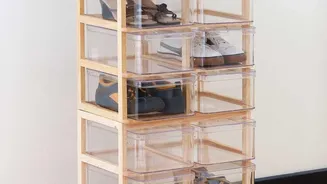
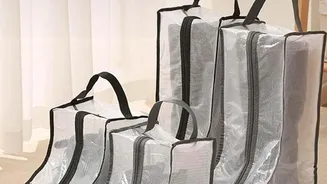
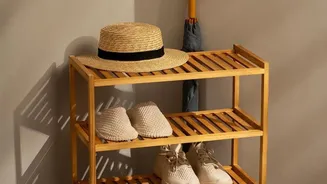
Walking through puddles is sometimes unavoidable, but leaving wet shoes to fester can ruin them. The first step is to clean off any mud or dirt. For soaked leather or canvas shoes, the best technique is to stuff them with newspaper. The paper absorbs an incredible amount of moisture from the inside. Replace the newspaper every few hours for best results. Loosen the laces and pull out the insoles to dry separately, as this allows air to circulate more freely. A common mistake is placing shoes near a direct heat source like a heater or using a hairdryer, which can warp the material and damage the glue. Instead, place them in a well-ventilated area or in front of a fan. For daily monsoon footwear, consider switching to open-style racks instead of closed shoe cabinets to allow them to air out properly.
The Forgotten Umbrella
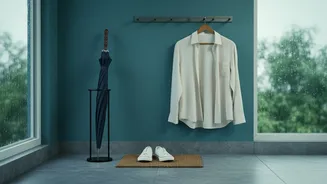
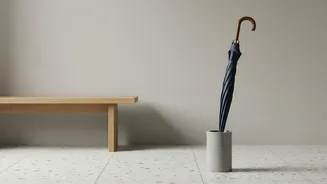
The humble umbrella is often neglected. Shaking it out and leaving it closed while still damp is a recipe for rust and mildew. When you come inside, open your umbrella fully and leave it in a designated spot to dry completely. A bucket or a tall stand near the entrance can catch drips and keep your entryway clean. Some people hang them from a hook or over a shower rod. The goal is to let air reach all parts of the fabric and frame. Once it's completely dry, you can fold it and store it away. This simple habit extends the life of your umbrella and prevents that unpleasant musty smell from developing in the canopy.
Upgrade Your Drying Game
For those living in extremely humid areas, a dehumidifier can be a powerful ally. Placing a dehumidifier in the room where you're drying clothes will pull excess moisture directly from the air, significantly speeding up the drying process and preventing mould growth. This is the most effective method for creating a dry indoor environment. It not only helps clothes dry faster but also protects your home and health by reducing allergens and preventing the buildup of dampness. While it's an investment, a dehumidifier can make the monsoon laundry routine far less of a chore.