


Start with the Right Container
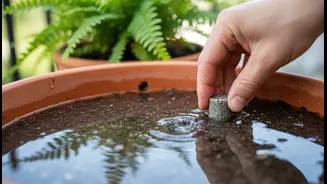
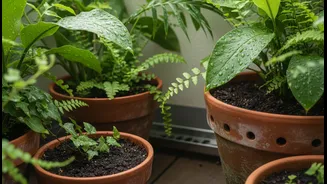
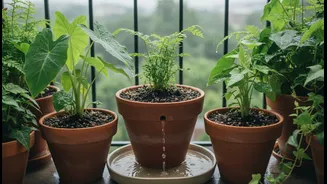
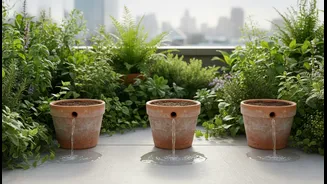
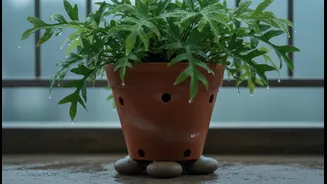
The single most important feature of any pot or container is a drainage hole. Without it, water pools at the bottom, saturating the soil and starving roots of the oxygen they need to survive. This leads to root rot, the number one killer of container plants.
When choosing a pot, look for one with at least one hole, though multiple are better. If you've fallen in love with a decorative pot that has no holes, don't despair. You can drill your own using a bit appropriate for the material, or use a technique called "double potting." Simply keep your plant in a slightly smaller plastic pot with holes, and place that inside the decorative one, ensuring you empty any collected water from the outer pot after watering.
Rethink the Gravel Layer
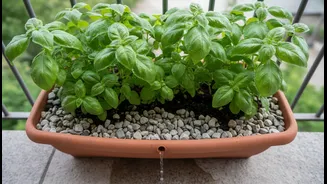
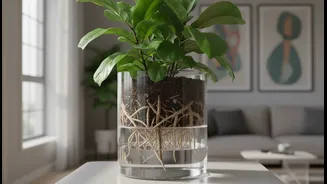
For generations, gardeners have been told to add a layer of gravel or broken pottery to the bottom of pots to improve drainage. However, modern horticulture has shown this is a myth that actually worsens the problem. Water does not move easily from the fine particles of potting mix to the coarse layer of gravel. Instead, it collects in the soil just above the gravel, creating a soggy, waterlogged zone called a "perched water table." This effectively raises the saturated layer closer to your plant's delicate roots, reducing the amount of healthy soil available and increasing the risk of root rot. The best approach is to fill the entire pot with a high-quality potting mix.
Choose a High-Quality Potting Mix
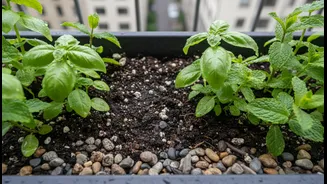
Never use soil directly from your garden in a container. It is too dense, compacts easily, drains poorly, and can introduce pests and diseases. For balcony containers, you need a lightweight, fluffy potting mix specifically designed for this purpose. Look for mixes containing ingredients like peat moss, perlite, vermiculite, or coco coir. These materials create air pockets within the soil, which are crucial for healthy root growth and allow excess water to drain away effectively. Perlite, the small white volcanic rock found in many mixes, is especially good at improving aeration and preventing compaction.
Elevate Your Pots
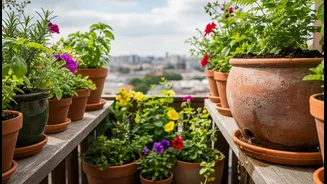
Even a pot with excellent drainage holes can become waterlogged if it sits flat on a solid balcony floor. Water can get trapped underneath, blocking the holes and preventing air from circulating. This is a common but easily fixed issue for small balcony containers. The solution is simple: elevate your pots. Use commercially available pot feet, or get creative with bricks, tiles, or even bottle caps to lift the container just a centimetre or two off the ground. This small gap allows water to escape freely and air to circulate, preventing the base of the pot from sitting in a puddle.
Master Your Watering Technique
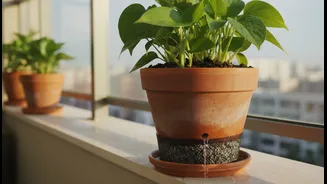
How you water is just as important as what your plants are in. Water thoroughly until you see it running out of the drainage holes. This ensures the entire root ball is hydrated and helps flush out excess salts left behind by fertilisers. However, be mindful of your neighbours below. To avoid drips, you can place a saucer or tray under each pot. The key is to empty the saucer about 30 minutes after watering. Letting a pot stand in a full saucer of water defeats the purpose of drainage and will lead to the same problems as having no drainage hole at all.
Recognise the Signs of Trouble
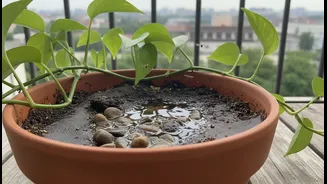
Your plants will tell you when they are suffering from poor drainage. The signs are often confused with underwatering, causing many well-intentioned gardeners to water even more, worsening the issue. Telltale signs of overwatering and root rot include yellowing or browning leaves, wilting or drooping despite damp soil, slow or stunted growth, and a musty or mouldy smell coming from the soil. If you see these symptoms, check the soil moisture deep in the pot. If it's consistently soggy, it's time to review your drainage setup.