



What Makes Keralan Food So Unique?
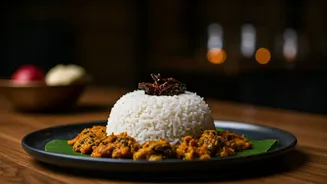
Often called 'God's Own Country', Kerala's cuisine is as lush and diverse as its geography. Unlike the cream-and-tomato-based gravies that often represent 'Indian food' abroad, Keralan dishes are defined by the state's abundant coastline and fertile lands.
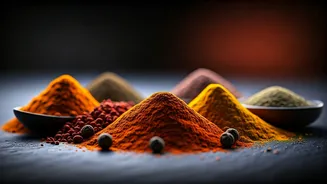
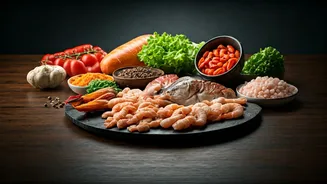
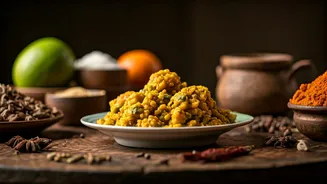
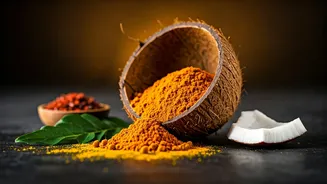
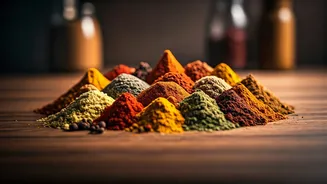
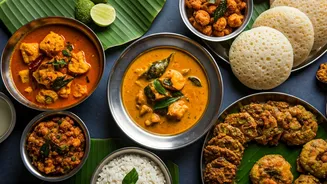
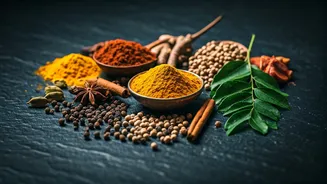
The holy trinity of ingredients here is coconut (in oil, milk, and grated form), curry leaves, and a symphony of spices like black pepper, cardamom, and turmeric. This gives the food a lighter, yet deeply aromatic profile. Its extensive coastline means a heavy focus on fresh seafood, while the fertile inland areas provide a bounty of rice, tapioca, and unique vegetables like jackfruit and raw banana. This results in a balanced cuisine that is both veggie-forward and a paradise for seafood lovers.
A Global History on a Plate
Kerala's global appeal isn't a new phenomenon; it's rooted in centuries of history. As the heart of the ancient spice trade, the Malabar Coast attracted traders from across the world, including the Arabs, Portuguese, and Dutch. These interactions created a melting pot of cultures that is reflected in the food. For instance, the Syrian Christian community’s famous stews show a European influence, while the Mappila (Muslim) community's layered biryanis and meat dishes carry echoes of Arab and Persian trade connections. This history of cultural exchange has made the cuisine inherently adaptable and layered, with a story behind every dish.
The Modern Drivers of a Culinary Wave
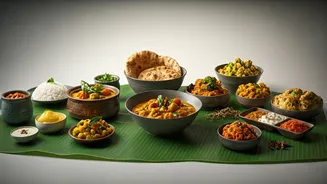
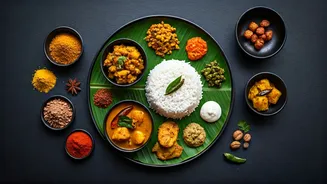
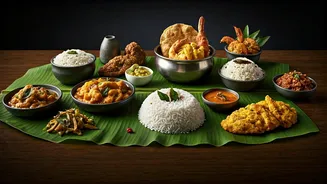
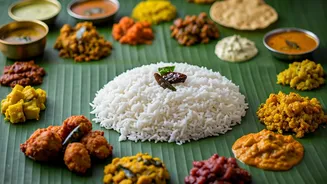
So why the sudden surge in global popularity? A key factor is the growing desire among global foodies for authenticity and regional specificity. People are moving beyond generic curries and seeking out unique culinary experiences. The influential Malayali diaspora has played a huge role, opening restaurants in cities like London, New York, and Dubai that serve as cultural ambassadors. Furthermore, food influencers and travel media have showcased the visual appeal of Keralan food—from the vibrant colours of a 'Sadya' feast served on a banana leaf to the smoky allure of 'Karimeen Pollichathu' (pearl spot fish steamed in a banana leaf). This increased visibility, combined with a global wellness trend that aligns with Kerala’s emphasis on fresh ingredients and healthy fats like coconut, has created the perfect recipe for global recognition.
Signature Dishes Capturing the World's Attention
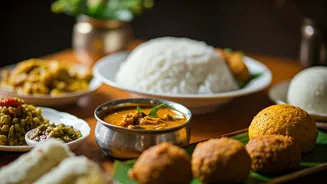
Several standout dishes are leading the charge. Appam and stew, a combination of a lacy, fermented rice pancake with a mild, coconut-milk-based curry, is a gateway dish for many newcomers. For something bolder, Beef Ularthiyathu offers a peppery, slow-roasted flavour that is quintessentially Keralan. The Malabar Biryani, distinct for its use of short-grain Kaima rice and a subtle layering of spices, provides a lighter alternative to its more robust counterparts. And no culinary tour is complete without mentioning the Sadya, an elaborate vegetarian feast featuring up to 30 different dishes served on a banana leaf, showcasing the sheer variety within the cuisine.
From Local Gem to Michelin Star
The growing appreciation is not just anecdotal. Keralan and South Indian restaurants are earning serious accolades. Quilon in London, which specialises in the coastal cuisine of Southwest India, has held a Michelin star for years. In New York, Semma, which celebrates unapologetically South Indian flavours, has also earned a coveted Michelin star. Food intelligence platforms have even flagged Keralan food as a top cuisine to watch, noting its rise in consumer interest and on menus across the United States. This high-profile recognition is helping to cement its status on the world's culinary map.