






Why Your Scalp is the Unsung Hero
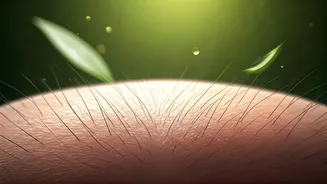
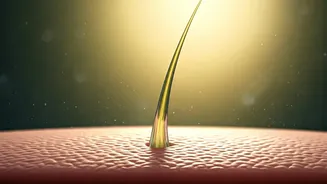
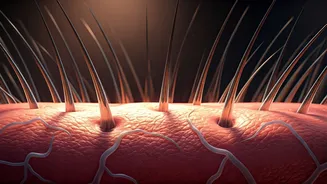
Think of your scalp as the soil from which your hair grows. [8] Just as nutrient-rich soil is essential for a plant to thrive, a healthy scalp provides the ideal environment for your hair follicles. [8, 10] These follicles, embedded in your scalp, are
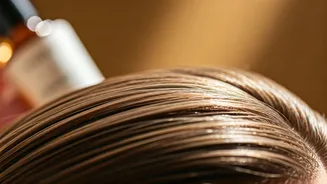
where hair is born. [1] If they are clogged with oil, dead skin cells, or product buildup, they can't function optimally, leading to weaker hair that's prone to breakage and shedding. [10] A clean, balanced, and well-nourished scalp ensures your follicles get the oxygen and nutrients they need to produce strong, resilient hair strands. [1, 10] The entire ecosystem of your scalp, known as its microbiome, regulates oil and bacteria to keep everything in balance. [6] When this foundation is healthy, it directly impacts your hair's thickness, shine, and growth rate. [6]
Red Flags Your Roots Are in Trouble
Your scalp is excellent at sending signals when something isn't right. Persistent itchiness, tightness, or a burning sensation are common early warnings. [7, 13] You might also notice visible signs like redness, flakiness (dandruff), or excessive oiliness that leaves hair looking greasy soon after washing. [3, 7] These symptoms can be caused by reactions to harsh products, stress, or a buildup of sweat and oils. [9, 12] In some cases, these issues can lead to more alarming signs, like unusual hair thinning or shedding. [3] This type of hair loss can be triggered by inflammation or clogged follicles that are unable to sustain healthy growth. [9] Paying attention to these red flags is the first step toward restoring balance.
A Foundational Routine for Scalp Health
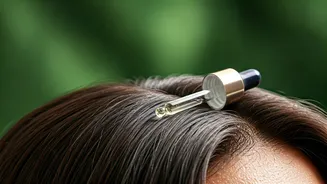
A dedicated scalp care routine doesn't have to be complicated. Start by reassessing how you wash your hair. Use your fingertips—never your nails—to gently massage a sulfate-free shampoo directly onto your scalp. [5, 17] This not only cleanses but also boosts blood circulation, which delivers vital nutrients to your follicles. [15] Aim to wash with lukewarm water, as hot water can strip the scalp of its natural protective oils. [17] Once or twice a week, incorporate a gentle exfoliation step to remove dead skin cells and stubborn product buildup. [5] You can use a physical scrub or a chemical exfoliant with ingredients like salicylic acid. [5] Finally, consider a regular scalp massage for 5-10 minutes, either on dry hair or with a nourishing oil, to stimulate the skin and promote thicker, healthier hair growth. [5, 11]
Power Ingredients to Look For
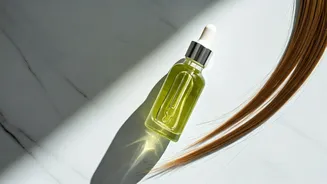
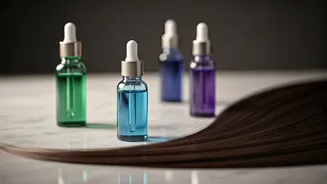
When choosing products, look for ingredients known to benefit the scalp. For cleansing and rebalancing, salicylic acid helps shed dead skin cells, while tea tree oil offers antimicrobial properties. [2, 14] Niacinamide (Vitamin B3) is another powerhouse that helps regulate oil production and reduce irritation. [18] For hydration, look for humectants like glycerin and soothing botanicals like aloe vera, which calm inflammation and restore moisture. [2, 18] Peptides can also play a role by helping to fortify the roots for the appearance of thicker hair. [18] Ingredients like rosemary oil have been shown to stimulate circulation at the scalp, further supporting healthy growth. [21]
Beyond Products: Lifestyle's Impact on Your Scalp
Even the best products can't do it all. Your lifestyle has a profound impact on your scalp's health. Chronic stress is a major culprit, as it can elevate cortisol levels, disrupt the hair growth cycle, and lead to increased shedding. [20, 25] Similarly, a diet lacking in essential nutrients can weaken hair from the inside out. [19] Ensure you're eating a balanced diet rich in iron, protein, biotin, and omega-3 fatty acids, found in foods like spinach, eggs, nuts, and salmon. [20] Staying hydrated is also crucial for both skin and scalp health. [22] Managing stress through exercise or mindfulness, getting enough sleep, and eating a nutritious diet are fundamental steps that support the work of your topical scalp care routine. [19, 25]