



The Balcony Gardener's Dilemma
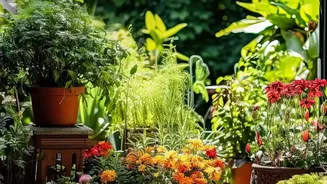
A balcony garden is a unique ecosystem. Unlike plants in the ground, your potted friends are entirely dependent on you for their survival. This enclosed environment, often with concrete retaining heat and wind exposure increasing evaporation, makes watering
a tricky balancing act. Enthusiastic gardeners often make the fatal mistake of overwatering, leading to waterlogged soil that suffocates roots, invites fungal diseases, and causes leaves to turn yellow. It’s a frustrating cycle where good intentions lead to poor results. The traditional advice—sticking a finger in the soil—works, but it's imprecise and inconvenient. You need a smarter way to know exactly what your plants need, right when they need it.
Enter the Smart Garden Assistant
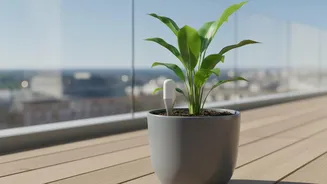
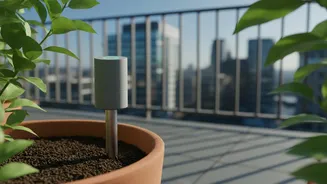
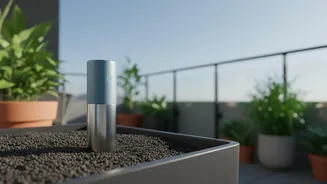
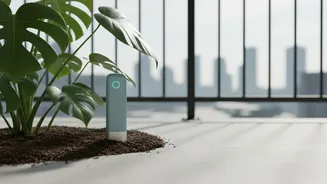
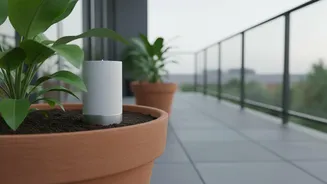
This is where smart IoT probes, also known as smart plant sensors, come in. Think of them as a fitness tracker for your plants. These small, unobtrusive devices are placed directly into the soil of your pots. They are part of the 'Internet of Things' (IoT), a network of physical devices that connect to the internet to share data. Instead of guessing, these probes take real-time measurements of the conditions in the pot and send that information directly to an app on your smartphone. This technology transforms plant care from a game of guesswork into a data-driven science, making it easier for anyone to develop a green thumb.
How These Probes Actually Work
The magic of a smart probe lies in its sensors. The primary sensor measures soil moisture, which is the key to preventing overwatering. It continuously checks the moisture level at the root zone, giving you a far more accurate picture than a surface check. When the soil moisture drops below a threshold that you or the app sets for that specific plant, you receive a notification on your phone telling you it’s time to water. But most smart probes don't stop there. They also monitor other critical factors for plant health. A light sensor measures the intensity of sunlight your balcony spot receives, helping you determine if you have the right plant in the right place. Other sensors may track ambient temperature, humidity, and even the level of nutrients or fertilizer in the soil.
More Than Just a Moisture Meter
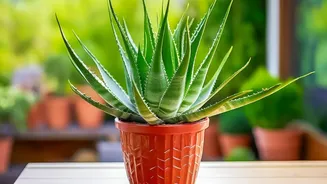
While preventing overwatering is their main draw, the comprehensive data from these IoT probes offers a holistic view of your plant's well-being. The smartphone app often includes a database of thousands of plants, allowing you to select your specific variety and receive tailored advice. For example, a succulent like rosemary prefers drier soil, while leafy greens need consistent moisture. The app can adjust its recommendations accordingly. Furthermore, by tracking light, you can finally solve the mystery of why a sun-loving tomato plant might be struggling on a partially shaded balcony. Some advanced systems can even suggest when to move a plant or when it might need a dose of fertilizer, taking proactive care to a new level.
The Real-World Benefits for Urban Gardeners
For the balcony gardener, the benefits are immense. First and foremost is confidence. You no longer have to live in fear of watering incorrectly. This leads to healthier, more vibrant plants and a greater sense of accomplishment. Second is efficiency. By watering only when necessary, you conserve water and reduce the risk of root rot, the silent killer of potted plants. It also saves you time and mental energy. Instead of a rigid, and often incorrect, watering schedule, you act based on the plant's actual needs. Finally, it's an incredible learning tool. The data helps you understand the unique microclimate of your balcony and the specific requirements of your plants, making you a better, more intuitive gardener over time.