






The High Price of Noise
For generations of Indians, noise has been synonymous with life, energy, and community. The call of the sabzi-wala, the distant sound of a wedding procession, the incessant honking—it's the chaotic, vibrant soundtrack of our cities. But a growing body
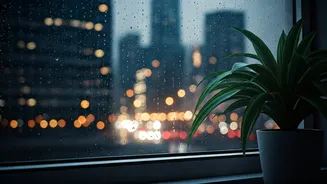
of evidence, and a collective feeling of burnout, is recasting this soundtrack as a source of chronic stress. The World Health Organization has long identified noise pollution as a significant public health threat, linking it to everything from sleep disturbance and hypertension to cognitive impairment in children. In densely packed metropolises like Mumbai, Delhi, and Bengaluru—cities that regularly feature on lists of the world's noisiest—the cumulative effect is taking a toll. The constant auditory assault leaves our nervous systems in a perpetual state of high alert, making true rest an elusive dream.
From Amenities to Ambience
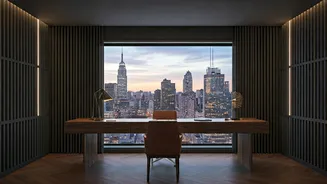
This collective yearning for peace is fundamentally reshaping what we consider 'luxury'. For years, premium real estate was defined by tangible assets: Italian marble, a swimming pool, a state-of-the-art gym, or a coveted address. While these things still matter, a new, intangible amenity has risen to the top of the list: silence. High-end developers are no longer just selling square footage; they are selling a sensory experience. Marketing brochures now highlight features like triple-glazed, soundproof windows, acoustic insulation in walls, and even building orientations designed to minimise exposure to traffic noise. These features, once considered niche or only necessary for properties near airports, are becoming standard expectations in the premium housing segment. The new status symbol isn't showing off your home; it's being able to retreat into it.
The Wellness Connection
The demand for quiet isn't just about escaping annoyance; it’s a direct consequence of the larger wellness movement. As awareness about mental health and the costs of burnout grows, people are actively seeking environments that promote restoration and focus. Silence is no longer an absence of sound but a presence of peace. This is why premium residential complexes are designing 'zen gardens', silent meditation rooms, and libraries as key attractions. The ability to find a pocket of guaranteed tranquillity within one's own living complex is a powerful draw for overworked professionals and families seeking a healthier lifestyle. The value proposition is simple: a quiet home is a healthier home, offering a sanctuary to recharge from the sensory overload of modern life.
Designing for Decibels
Architects and interior designers are responding with innovative solutions that go beyond just thick walls. The new approach to 'acoustic comfort' involves a multi-layered strategy. This includes using sound-absorbing materials like cork flooring, felt wall panels, and heavy drapery. The layout of homes is also being rethought, with bedrooms and studies strategically placed away from noisier parts of the building or external sources of sound. Even landscaping plays a role, with thick hedges and 'green walls' used as natural sound buffers. This meticulous attention to the sonic environment signals a sophisticated understanding of luxury—one where well-being is engineered into the very fabric of the building.
The Democratisation of Quiet
While architect-designed silence remains the privilege of the wealthy, the trend is trickling down and manifesting in other ways. The roaring success of noise-cancelling headphones is a testament to our desire to create personal bubbles of peace, whether on a crowded metro or in an open-plan office. Co-working spaces are increasingly offering 'deep work' zones where silence is strictly enforced. Cafes and lounges that cultivate a calm, quiet atmosphere are gaining popularity over their noisier counterparts. Even travel is affected, with 'silent retreats' and wellness getaways to secluded locations becoming more sought-after. These are all micro-solutions to a macro-problem, demonstrating a widespread hunger for a break from the noise.