

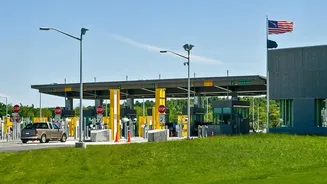
A New Era for Regional Road Trips
For years, the allure of crossing international borders by car or bus has been a popular dream for adventurous Indians. While flying is often faster, overland travel offers a unique sense of journey, connecting travellers to the culture and geography
of a region in an intimate way. Recently, several Southeast Asian nations have been streamlining their entry procedures to boost tourism, and Indian passport holders are among the beneficiaries. These changes, ranging from visa exemptions to simplified permit processes, are making it significantly easier to plan multi-country trips without extensive visa paperwork, unlocking a new chapter for regional exploration on four wheels.
Thailand: Navigating the New Entry Rules
Thailand remains a top destination for Indian tourists, and its land borders are crucial for those undertaking the iconic India-Myanmar-Thailand highway journey. Recent policy shifts have created some confusion. In May 2026, Thailand announced an end to a temporary 60-day visa-free scheme. However, subsequent announcements in July 2026 clarified that a 30-day visa exemption for Indian travellers would be implemented, moving India from the visa-on-arrival list to a visa-exempt one. This policy aims to simplify entry. While the new rule is pending official publication, it signals a positive step for tourists. Travellers entering overland from Myanmar should use designated checkpoints like Mae Sot. It is essential to check the latest status from official Thai government or embassy sources before travel, as these rules can be subject to change.
Myanmar: An e-Visa is Essential
Contrary to some travel aspirations, Myanmar is not visa-free for Indian citizens. To enter, travellers must obtain an eVisa online before their trip, which typically costs around USD 50 and is valid for a 28-day stay. The process is straightforward and usually takes a few working days. For overland travellers, the eVisa is accepted at specific land border crossings with India, such as Tamu, and with Thailand at points like Myawaddy. However, travellers must note that border statuses can change, so confirming that a specific crossing is open for tourists is a critical step before commencing the journey. Required documents for the eVisa application generally include a valid passport, a recent photograph, and proof of accommodation.
Nepal and Bhutan: The Himalayan Neighbours
Travel between India, Nepal, and Bhutan has long been governed by special agreements that make overland journeys uniquely simple. For Indian citizens, no visa is required to enter Nepal by land. A valid government-issued photo ID like a passport or a Voter ID card is sufficient for entry. Similarly, Bhutan does not require a visa for Indian nationals, but an entry permit is necessary. This permit can be obtained at the land border crossing in Phuentsholing by presenting a valid passport or Voter ID card. Indian travellers to Bhutan are, however, required to pay a daily Sustainable Development Fee (SDF), which is currently INR 1,200 per person, per night. This fee supports local infrastructure and conservation efforts.
Your Essential Overland Travel Checklist
A successful cross-border road trip hinges on preparation. Regardless of the destination, ensure you have the basics in order. First, your passport should have at least six months of validity from your date of entry. Carry multiple passport-sized photographs with a white background, as they are often required for permits and forms at border posts. It is also wise to have digital and physical copies of all important documents, including your passport, visa or eVisa, hotel bookings, and a confirmed return or onward ticket. Some immigration authorities may also ask for proof of sufficient funds for your stay. For those driving their own vehicle, ensure you have all necessary vehicle permits, an international driving permit if required, and vehicle registration documents.