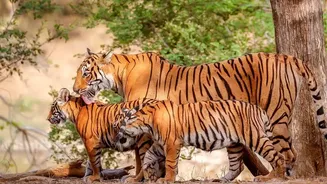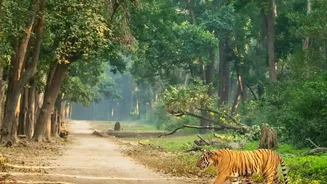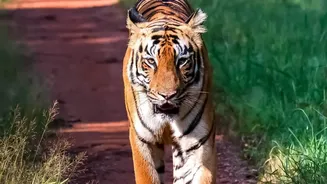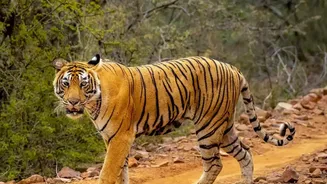



The Magic of Post-Monsoon Safaris
Bandhavgarh National Park typically closes its core zones from July through September, allowing the forest to rejuvenate during the heavy rains. The grand reopening, usually around mid-October, offers a unique window for visitors. The entire landscape
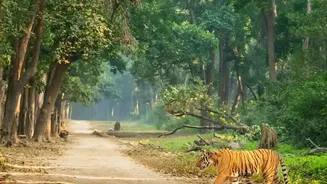
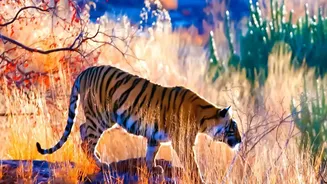
is a vibrant, lush green, the dust has settled, and the waterholes are brimming. This refreshed environment means wildlife is often more active. The damp soil makes tracking tiger pugmarks easier for guides, and the cats themselves are re-establishing territories after the monsoon disruption. The weather is also incredibly pleasant, with cool mornings and mild afternoons, making it a comfortable and beautiful time for a safari before the winter chill sets in.
Understanding Bandhavgarh's Tiger Zones
To maximise your chances of a sighting, it is crucial to understand how the park is organised. Bandhavgarh is divided into core zones and buffer zones. The three core zones—Tala, Magadhi, and Khitauli—are the most popular and have the highest density of tigers. Each zone has a separate entry gate and a strict limit on the number of safari vehicles allowed per day, a measure designed to protect the habitat and its inhabitants. Booking your safari permit well in advance is essential, as slots for the popular zones, especially Tala, can sell out months ahead. Permits are specific to a single zone, so you cannot switch between them during one safari drive.
Tala: The Legendary Tiger Territory
The Tala Zone is often considered the premium and most sought-after zone in Bandhavgarh, and for good reason. As the oldest safari zone, it boasts a dramatic landscape of hills, valleys, and dense sal forests. It is not just the high probability of tiger sightings that makes Tala special, but also its historical significance. The zone is home to the ancient Bandhavgarh Fort, which looms over the forest, as well as remarkable man-made caves and a stunning reclining statue of Lord Vishnu known as Shesh Shaiya. This blend of rich history and prime wildlife habitat, with famous meadows like Chakradhara, creates an unparalleled safari experience.
Magadhi and Khitauli: The Other Powerhouses
While Tala often steals the spotlight, the Magadhi and Khitauli zones are formidable contenders for tiger sightings. Magadhi, also known as Gate 2, is characterised by expansive grasslands mixed with forest, offering excellent visibility. It shares a tiger population with Tala, as the animals' territories often overlap. Khitauli, on the western side of the park, was once known more for herbivores like nilgai and chinkara, but in recent years, tiger and leopard sightings have become increasingly frequent. Its drier, more open terrain offers a different kind of safari experience and can be just as rewarding. Choosing one of these zones can sometimes be a strategic move, as they may have better availability for permits.
Planning Your Autumn Safari
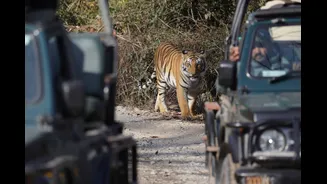
Booking your trip requires some forward planning. Safari permits are released online via the Madhya Pradesh Forest Department website, typically 120 days in advance. You will need to provide identification details for all members of your group. You can choose between morning and afternoon jeep safaris. Jeeps, which accommodate up to six visitors plus a guide and driver, offer a more intimate and flexible experience. When you arrive, listen closely to your guide. They are experts at interpreting alarm calls from deer and monkeys, which are often the first sign that a predator is nearby. Patience is key; a safari is about embracing the entire jungle experience, not just ticking off a single sighting.
Beyond the Bengal Tiger
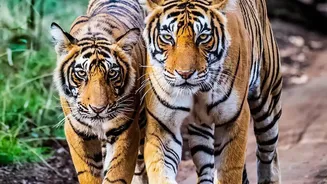
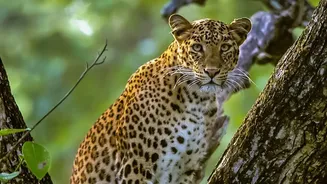
While the Royal Bengal Tiger is undoubtedly the star attraction, Bandhavgarh's biodiversity is immense. The park is home to a healthy population of leopards, sloth bears, wild dogs (dholes), and numerous deer species like sambar and the spotted chital. Birdwatchers will also be delighted, with over 250 species recorded in the park, including eagles, vultures, and kingfishers. Keeping your eyes peeled for these other fascinating creatures enriches the safari experience, reminding you that the tiger is the apex of a complex and vibrant ecosystem. Every rustle in the bushes holds a new possibility.