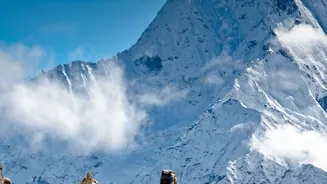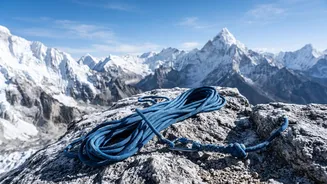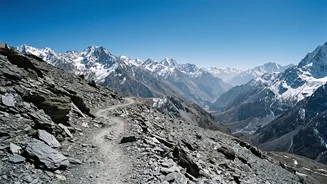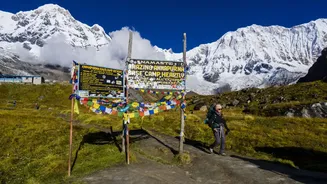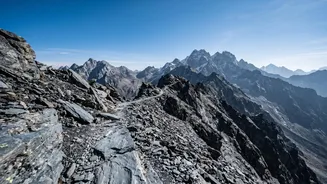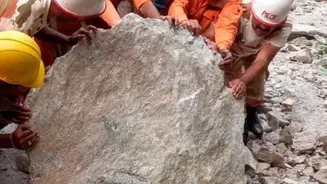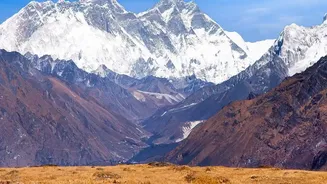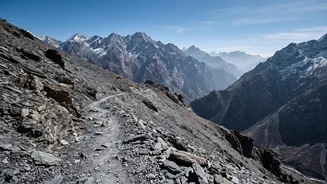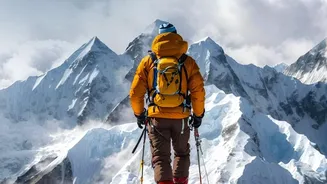


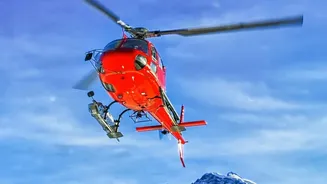
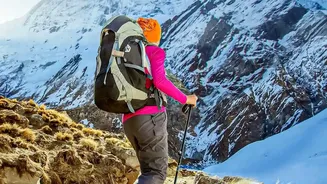
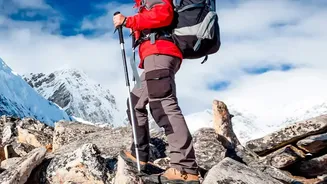
High in the serene but unforgiving trails of the Himalayas, a trek turned into a desperate fight for survival. The recent rescue of a group of Indian trekkers in Nepal has once again brought a critical conversation to the forefront.
A Journey Fraught With Peril
For many Indians, trekking
in Nepal is the adventure of a lifetime. The lure of the world’s highest peaks is undeniable. But as a recent incident showed, the line between adventure and misadventure is perilously thin. A small group of trekkers, caught off-guard by a sudden turn in the weather, found themselves lost and exposed. What began as a challenging but manageable journey quickly devolved into an emergency, requiring a complex and costly helicopter rescue. While the trekkers were ultimately brought to safety, the incident serves as a stark reminder of the inherent risks of high-altitude trekking and raises urgent questions about whether current systems are adequate to protect those who answer the call of the mountains.
The Permit Puzzle
At the heart of the current safety debate is a surprisingly bureaucratic issue: trekking permits. For years, the Nepal Tourism Board issued a mandatory Trekkers’ Information Management System (TIMS) card to all foreign trekkers. This system was designed to create a central database to track trekkers and aid in rescue operations if they went missing. However, the situation has become muddled. Several local governments, particularly in popular regions like the Everest area (Khumbu), have begun issuing their own local permits and have stopped recognising the national TIMS card. This has created a confusing and fragmented system. Trekkers are often unsure which permit they need, and authorities are left with a decentralised and incomplete picture of who is on the trails, complicating rescue coordination and undermining the very purpose of a safety tracking system.
The Mandatory Guide Controversy
Adding another layer to the discussion is Nepal's rule making it mandatory for foreign independent trekkers to hire a government-licensed guide. The rule was introduced with the explicit goal of enhancing trekker safety and preventing people from getting lost or falling victim to accidents on unfamiliar terrain. Proponents argue it not only saves lives but also creates valuable employment for local communities. However, the rule has been met with resistance from some segments of the trekking community, including experienced mountaineers who prefer the solitude and challenge of a solo journey. They argue that it drives up costs and penalises seasoned trekkers who are well-equipped to manage risks on their own. The recent rescue case reignites this debate: would a mandatory guide have prevented the incident, or is it an overly broad solution that fails to address the core issues of preparedness and regulatory clarity?
Redefining Responsible Adventure
Ultimately, safety in the mountains is a shared responsibility. While Nepalese authorities grapple with creating a unified and effective regulatory framework, the onus also falls on the trekkers themselves. The growing number of adventure seekers, many from India, must prioritise preparation over bravado. This includes proper acclimatisation to high altitudes, carrying appropriate gear, having comprehensive travel and rescue insurance, and being brutally honest about one’s own physical limits. The romance of the Himalayas is powerful, but it demands respect. Incidents like the recent rescue highlight a critical need for better education and a cultural shift towards more cautious and responsible trekking. The mountains are not a theme park; they are a wild environment where preparation is the key to survival.