


The Building Blocks of Performance
To understand why the pairing of lentils and rice is so effective, we first need to talk about protein. Protein is essential for just about every function in your body, but it’s especially critical for athletes. When you exercise, you create tiny micro-tears
in your muscle fibres. Protein provides the necessary components to repair this damage, helping muscles rebuild stronger. These components are called amino acids. There are 20 different amino acids, but nine of them are considered “essential,” meaning your body can't produce them on its own. You have to get them from the food you eat. A food source that contains all nine of these essential amino acids in sufficient quantities is known as a “complete protein.”
A Perfect Protein Partnership
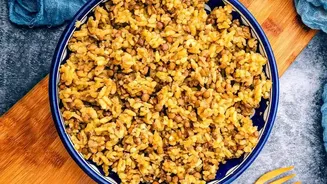
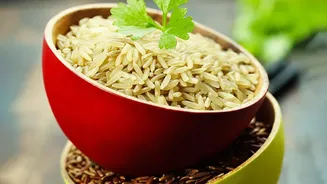
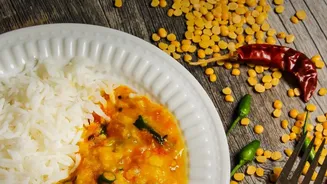
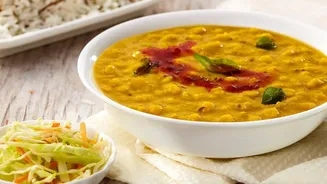
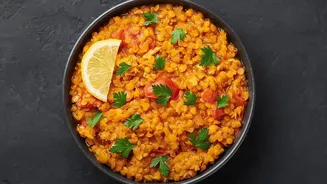
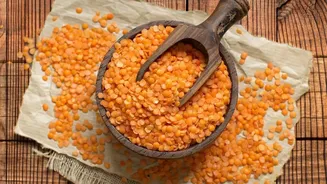
Most animal-based products like meat, eggs, and dairy are complete proteins. Many plant-based foods, however, are “incomplete,” meaning they are low in one or more of the essential amino acids. This is where the magic of food combining comes in. Lentils (dal) are nutritional powerhouses, but they are typically low in two sulphur-based amino acids, methionine and cysteine. Rice, on the other hand, has these amino acids but is low in another one called lysine. When you eat them together, their amino acid profiles complement each other perfectly. The lysine from the lentils fills the gap in the rice, and the methionine and cysteine from the rice complete the profile of the lentils. The result is a meal that delivers all nine essential amino acids, forming a high-quality complete protein that your body can use to effectively build and repair muscle.
Timing is Everything... Or Is It?
For decades, the common wisdom was that you needed to eat these complementary proteins in the very same meal for your body to benefit. This led to a focus on specific pairings like beans and rice or dal and roti at every sitting. However, more recent nutritional science has shown this to be a myth. Your body is smarter than we gave it credit for. It maintains a pool of free amino acids from everything you eat throughout the day. This means if you eat lentils for lunch and have some rice later for dinner, your body can still pull from this pool to get what it needs to form complete proteins. So, while enjoying dal and rice together is a delicious and convenient tradition, there's no need to stress about perfect pairing at every single meal. As long as you eat a varied diet of grains, legumes, nuts, and seeds over the course of the day, you will provide your body with all the building blocks it requires.
Fueling Your Fitness Goals
So, how does this translate to better workouts? Consuming adequate amounts of high-quality protein after exercise is crucial for muscle protein synthesis—the process of repairing and building muscle. By supplying all nine essential amino acids, the rice and lentil combination gives your body exactly what it needs to kickstart recovery, reduce muscle soreness, and adapt to your training. For anyone on a vegetarian diet, especially those who are physically active, this simple meal is an incredibly efficient and affordable way to meet protein needs. It ensures that your hard work in the gym pays off, leading to better strength gains and improved endurance. For optimal recovery, pairing this complete protein with carbohydrates is also key, as carbs help replenish your energy stores and assist in shuttling the amino acids into your muscle cells. Since both rice and lentils contain carbs, the combination is an all-in-one recovery meal.
Beyond Dal and Rice
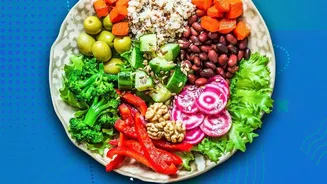
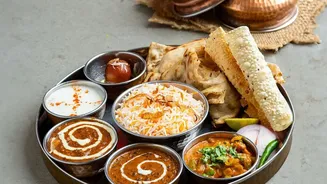
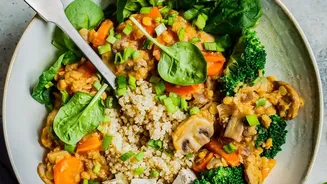
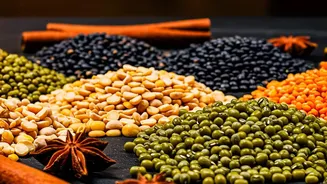
The principle of combining foods to create a complete protein extends to many other plant-based staples. Indian cuisine has mastered this art for generations. Think of combinations like rajma with roti (kidney beans and whole wheat) or dosa with sambhar (fermented rice and lentil batter). The key is generally to pair a legume (like beans, lentils, or chickpeas) with a grain (like rice, wheat, or oats). Other powerful combinations include hummus (chickpeas and sesame paste) with pita bread, or even a simple peanut butter sandwich on whole-wheat bread. For those who want single-source complete proteins from plants, options like quinoa, soy products (tofu, edamame), buckwheat, and chia seeds are excellent choices. By incorporating a variety of these foods into your weekly diet, you can easily ensure your protein needs are met without having to rely on animal products.