






The Calm Before the Seasonal Storm
October is the transitional month when meteorological conditions across North India begin to turn against us. The withdrawal of the southwest monsoon is the first trigger. Rains that washed pollutants out of the atmosphere cease, and humidity levels drop.
Simultaneously, temperatures begin to fall, especially at night. This leads to a phenomenon known as temperature inversion, where a layer of cool air gets trapped near the ground by a layer of warmer air above it. This inversion acts like a lid, preventing pollutants from dispersing vertically into the upper atmosphere, and holding them close to where we breathe. As wind speeds also tend to drop during this period, the toxic cocktail of pollutants has nowhere to go.
The Triple Threat: Stubble, Vehicles, and Dust
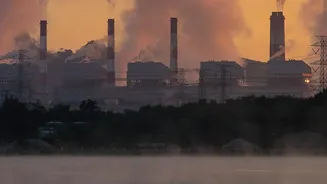
The single biggest episodic contributor to the October air quality crisis is agricultural stubble burning. In the states of Punjab and Haryana, farmers have a narrow window to clear their fields of paddy residue to sow the winter wheat crop. Burning is the quickest and cheapest method, sending vast plumes of smoke containing fine particulate matter (PM2.5) and other toxins into the air. Prevailing north-westerly winds then carry this pollution directly over the Indo-Gangetic plain, blanketing cities hundreds of kilometres away. This smoke combines with ever-present urban emissions from vehicles, industry, and construction dust, creating a severe pollution event. While stubble burning's exact contribution is debated, its role in triggering the season's first major pollution spikes is undeniable.
Cities on High Alert
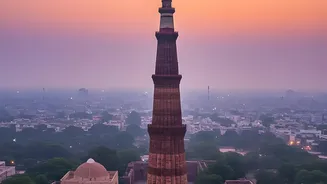
Delhi is the epicentre of this annual pollution crisis. Situated directly in the path of smoke from farm fires and already burdened with high local pollution, the national capital consistently sees its Air Quality Index (AQI) jump from 'moderate' to 'very poor' or 'severe' within weeks. This year has already seen the worst start to October in six years for Delhi. But the problem is not limited to the NCR. The entire Indo-Gangetic Plain is affected, with cities like Lucknow, Kanpur, Patna, and Kolkata all experiencing a significant deterioration in air quality. These urban centres face the double whammy of transported smoke and their own local pollution sources trapped by the same weather patterns.
Beyond the Northern Plains
While the North bears the brunt, other major cities are not immune. Mumbai, for instance, has already started seeing a rise in pollution levels as the monsoon withdraws. Local factors like construction dust, vehicular emissions, and industrial activity, combined with less frequent post-monsoon showers, contribute to worsening air. The city's civic body has already rolled out its action plan for 2026, identifying pollution hotspots for monitoring. Cities like Pune and Bengaluru also experience a dip in air quality post-monsoon as lower temperatures and stable atmospheric conditions trap local pollutants, even without the influence of stubble burning.
How to Read the Air
So, what should you be watching? The most important metric is the Air Quality Index (AQI). An AQI between 0-50 is 'good', 51-100 is 'satisfactory', 101-200 is 'moderate', 201-300 is 'poor', 301-400 is 'very poor', and anything above 401 is 'severe'. Pay close attention to the levels of PM2.5 — fine particulate matter less than 2.5 micrometres in diameter. These tiny particles can penetrate deep into the lungs and enter the bloodstream, causing serious health issues, including respiratory infections, heart disease, and strokes. You can monitor real-time AQI levels for your city through official government apps like SAMEER or other reliable platforms. When the AQI enters the 'poor' or 'very poor' categories, it is advisable to limit outdoor exertion, especially for children, the elderly, and those with pre-existing respiratory conditions.