

Understanding the Specifics of the Flood
The devastation seen in news reports is real and heartbreaking, but it is geographically concentrated. The disaster was not a typical, widespread monsoon flood. Instead, it was a catastrophic flash flood caused by a glacial collapse near the Nepal-Tibet
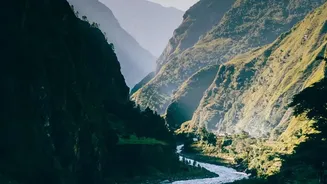
border. This unleashed a wall of water and debris down the Bhote Koshi and Trishuli river corridors. The primary impact zones are the northern districts of Rasuwa, Nuwakot, and Dhading. This is crucial for travellers to understand: most of Nepal's popular tourism destinations were entirely outside the flood's path.
Which Areas Are Open and Safe?
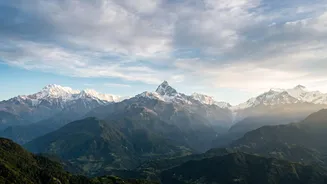
Major tourism hubs and trekking regions remain fully operational and safe for visitors. According to local operators and the Nepal Tourism Board, the following areas are unaffected and welcoming tourists: the Everest (Khumbu) region, the entire Annapurna region (including the Circuit and Base Camp treks), Pokhara, and the Kathmandu Valley (including its UNESCO World Heritage Sites). Similarly, Chitwan National Park was not directly hit, although overland access may be complex. The key takeaway is that if your itinerary is focused on these popular areas, the flooding should not directly impact your plans, though you must verify your transport routes.
Which Areas Should Be Avoided?
Travel to the Langtang trekking region should be postponed. While the valley itself was not destroyed, the access routes and gateway towns like Syabrubesi have suffered catastrophic damage. The road infrastructure leading to the region, including parts of the Prithvi Highway and the road to Rasuwagadhi, is severely damaged or destroyed, making access impossible for the foreseeable future. The Rasuwagadhi border crossing with Tibet is completely destroyed and closed. Official advisories from multiple governments recommend reconsidering all non-essential travel to Rasuwa, Nuwakot, and Dhading districts along the Trishuli River.
Checking Transport and Infrastructure
Infrastructure is the biggest logistical hurdle. While Kathmandu’s Tribhuvan International Airport is operating normally for international and domestic flights, overland travel is complicated. Several key highways, including sections of the Prithvi Highway and the Mugling-Narayanghat road, have faced closures and damage. Before undertaking any long-distance bus or jeep journey, it is essential to get real-time updates from your hotel or a local travel provider. Flying between major hubs like Kathmandu and Pokhara is currently the most reliable option, as road access can be unpredictable. Conditions can change quickly, so flexibility is paramount.
Health, Safety, and Ethical Considerations
In the affected regions, there is a heightened risk of waterborne diseases due to damaged sanitation systems. Travellers in any part of Nepal should stick to bottled or properly treated water. For those visiting, it's a chance to support the Nepalese economy, which is heavily reliant on tourism. A wave of cancellations could create a second crisis for a country already suffering. The most ethical way to help is to proceed with travel plans to unaffected areas. Patronize local lodges, guides, and businesses. Do not travel to the disaster zone to spectate; rescue and relief efforts are ongoing and need unimpeded access.
Your Pre-Travel Checklist
Before you travel, confirm every booking, especially transport. Contact your trekking agency for the latest on-the-ground trail conditions. Purchase comprehensive travel insurance that covers trip cancellations, delays, and medical emergencies. Register your travel plans with your country's embassy in Nepal. Finally, stay informed through reliable sources like the Nepal Tourism Board, established tour operators, and official government travel advisories, rather than relying on sensationalized social media posts.