






The Core Issue: Visas and Uncertainty
The primary challenge for Indian IT firms operating in the U.S. revolves around the movement of skilled professionals. For years, companies have relied on non-immigrant visas like the H-1B and L-1 to place Indian specialists and engineers on-site with
American clients. However, this channel is facing significant pressure. Recent policy shifts have led to greater scrutiny, higher rejection rates, and proposed fee hikes that make it more expensive to hire foreign talent. The situation was intensified in early October 2026, when the US Department of Labor suspended several major Indian and US tech firms, including Infosys, TCS, and Wipro, from the PERM program. This program is a critical first step for employees on temporary visas, like the H-1B, to gain permanent residency, or a 'green card'. This suspension creates deep uncertainty for both the companies and their employees, disrupting the long-term career paths that have historically been a major draw for Indian tech talent. The industry body NASSCOM has publicly stated that while this impacts a specific immigration pathway, the broader issues of skilled talent mobility and immigration need to be treated as distinct matters.
An Economic Powerhouse Flexes Its Muscle
The concerns of the IT industry carry immense weight because the sector is a cornerstone of the modern Indian economy. Contributing significantly to the nation's GDP and accounting for a massive share of its export revenue, the technology services industry is not just another business sector; it is a strategic national asset. The U.S. is the single largest market for these services, making smooth access a matter of economic priority. When Indian IT firms face operational hurdles in America, the ripple effects are felt across India's economy. This economic significance grants the industry considerable influence in policy-making. The Indian government cannot afford to ignore challenges that threaten the health of its flagship industry, transforming corporate concerns into national negotiating points on the world stage.
A Key Bargaining Chip at the Trade Table
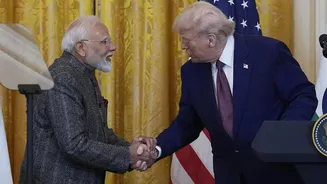
As India and the U.S. work to finalize a bilateral trade agreement, these IT-related grievances have become a powerful bargaining chip for Indian negotiators. Reports from October 2026 suggest that while a deal is 'pretty close' to being finalized, a few sticking points remain. India is using the U.S.'s desire for greater access to its vast market for agricultural products, medical devices, and other goods as leverage. In essence, the Indian position links these issues: for American businesses to gain more favourable terms in India, American policies must become more favourable for India's most important export sector. New Delhi is pushing for a predictable and stable visa regime and a clear pathway for its skilled professionals, arguing that this is essential for the continued growth of the tech partnership that benefits both economies.
The View from Washington
From the American perspective, the issue is complex. The push for more restrictive visa policies is often framed domestically as a move to protect American jobs and wages. Some U.S. officials have argued that the system has been used to replace American workers with less expensive foreign labor. Therefore, any concessions on visas must be balanced against domestic political pressures. Furthermore, the U.S. has its own list of demands for the trade deal, including the removal of Indian tariffs and other non-tariff barriers to its exports. Washington's negotiators are looking for a comprehensive deal that addresses their concerns, from agriculture to digital trade and intellectual property. The challenge lies in finding a compromise where both sides feel their key economic interests have been addressed, creating a 'different kind of deal' as suggested by President Trump.