


Periyar National Park, Kerala: A Symphony in Green
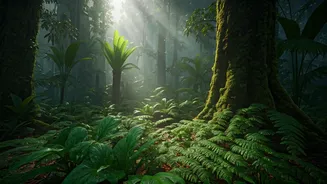
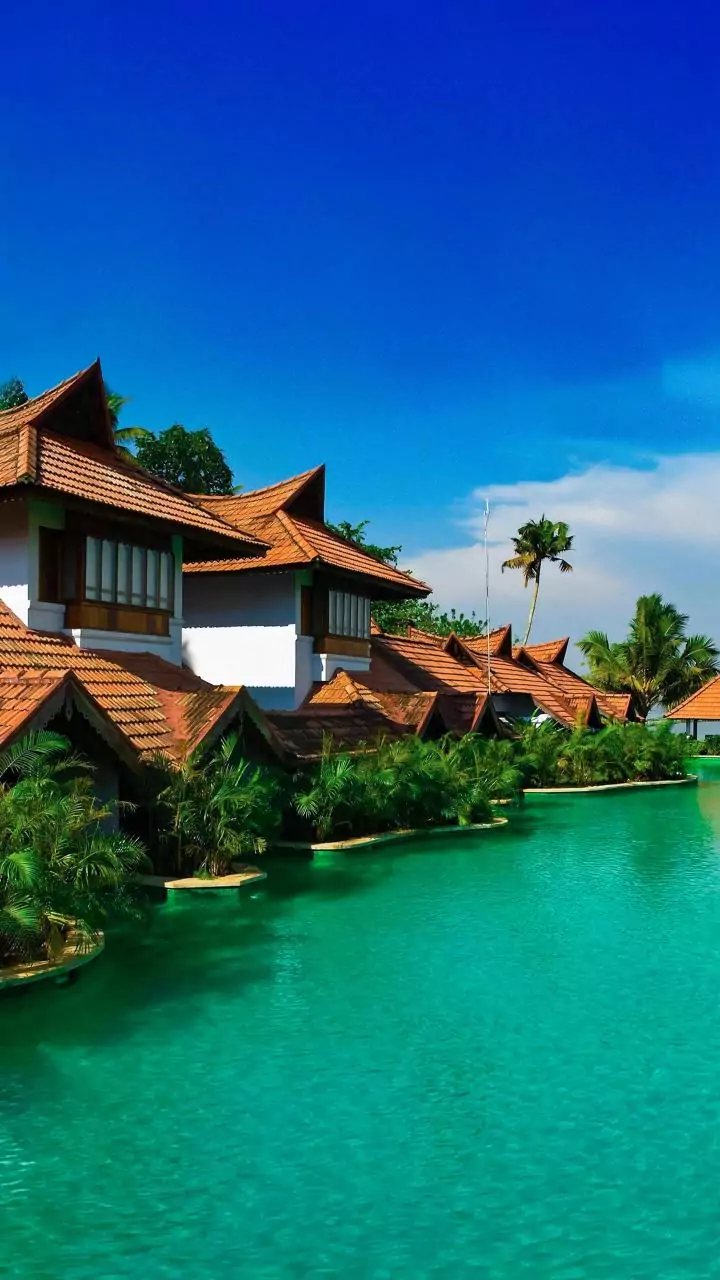
While many national parks shut their gates during the monsoon, Periyar in Kerala remains open, offering an experience that is both serene and thrilling. The incessant rains wash the landscape clean, leaving behind a million shades of green. The park,
which revolves around a vast artificial lake, becomes a theatre of life. The best way to explore it is on a boat safari. Gliding across the misty waters as rain patters down, you can spot herds of elephants coming to the banks to drink, their dark forms contrasting starkly against the lush foliage. Sambar deer, gaur, and wild boar are common sights. The air, thick with the scent of wet earth and vegetation, is filled with the calls of Malabar grey hornbills and other endemic birds. The monsoon reduces crowds, making your encounter with the wild a more personal and profound one.
Keoladeo National Park, Rajasthan: The Wetlands Reawaken
Mention Rajasthan, and one thinks of arid deserts. But the monsoon brings an incredible change to Keoladeo National Park (formerly Bharatpur Bird Sanctuary). The shallow wetlands, which may have been dry for months, slowly begin to fill with rainwater. This is the signal for resident water birds to begin their nesting activities. While the peak migratory season is in winter, the monsoon is when you witness the park's rebirth. The cacophony of painted storks, herons, and egrets building their nests is a sight to behold. Cycling or walking through the park's paved pathways as a light drizzle falls is an otherworldly experience. You can see pythons sunning themselves after a shower and witness the entire ecosystem springing back to life, from the smallest insects to the largest waterfowl.
Valley of Flowers, Uttarakhand: Heaven on Earth
This one is a classic for a reason. The Valley of Flowers National Park is a Himalayan meadows that is only accessible from June to October, with its beauty peaking during the monsoon months of July and August. As the name suggests, the entire valley becomes a carpet of countless alpine flowers—orchids, poppies, primulas, and marigolds bloom in a riot of colour against the backdrop of snow-capped peaks. The monsoon clouds hang low, creating a dramatic, ever-changing landscape. The trek to the valley, though challenging, is part of the adventure. It takes you through dense forests, alongside the gushing Pushpawati River, rewarding you with views that feel straight out of a painting. It’s not about big game sightings here; it’s about immersing yourself in the sheer, overwhelming beauty of nature's artistry.
Agumbe, Karnataka: The Realm of the King Cobra
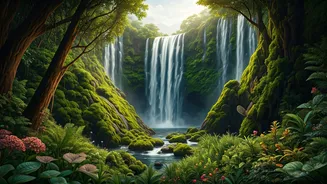
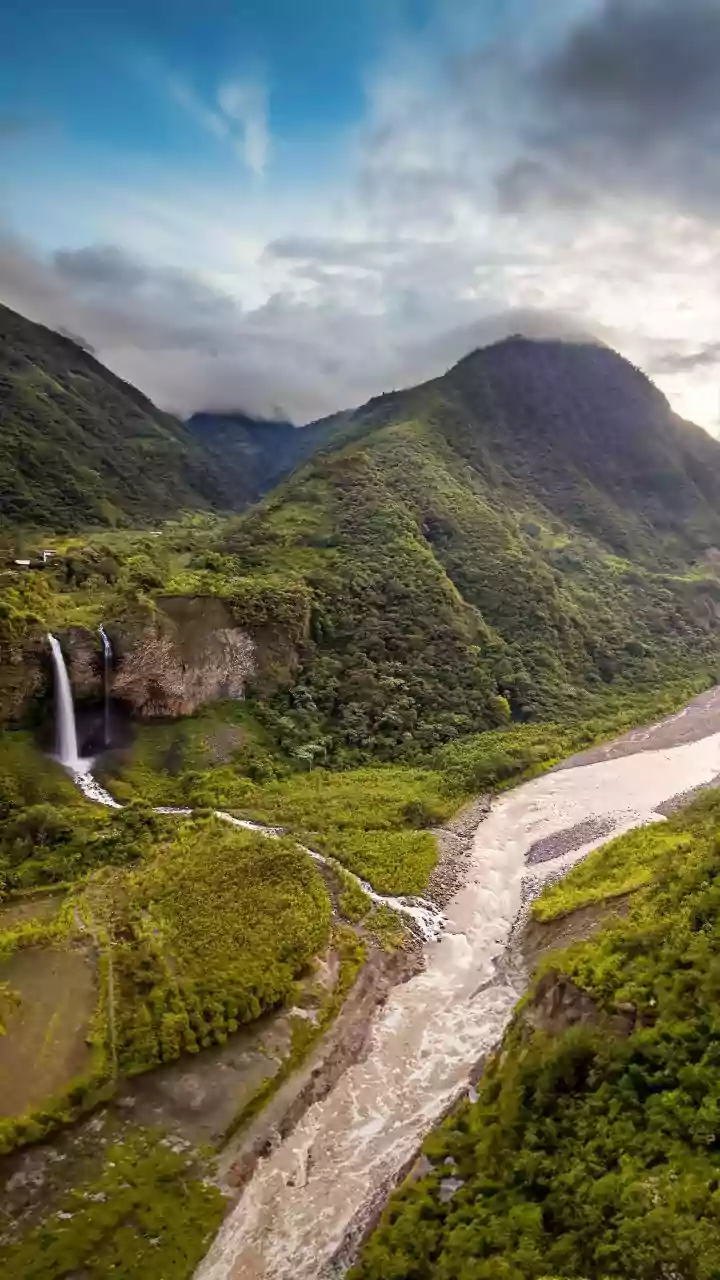
Dubbed 'The Cherrapunji of the South,' Agumbe receives some of the heaviest rainfall in the country. This transforms the region into a biodiversity hotspot teeming with life. The rainforests of the Western Ghats become incredibly dense and alive. Agumbe is particularly famous for its reptile and amphibian population, especially the majestic King Cobra, which is studied extensively here. Guided night walks (with experts, of course) reveal a hidden world of glowing fungi, fluorescent scorpions, and countless species of frogs. The monsoon also swells the region's many waterfalls, like Jogigundi and Barkana Falls, creating thunderous spectacles. This is not a trip for the faint of heart, but for the true nature enthusiast, Agumbe in the monsoon is the ultimate classroom.
Tadoba-Andhari Tiger Reserve, Maharashtra: A Different Kind of Safari
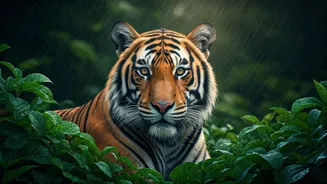
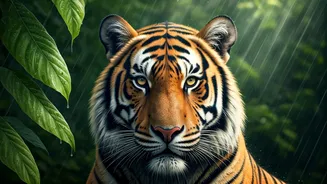
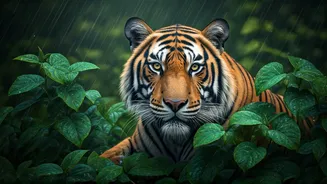
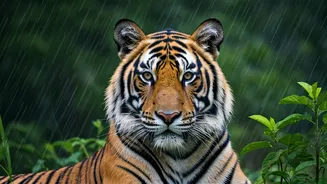
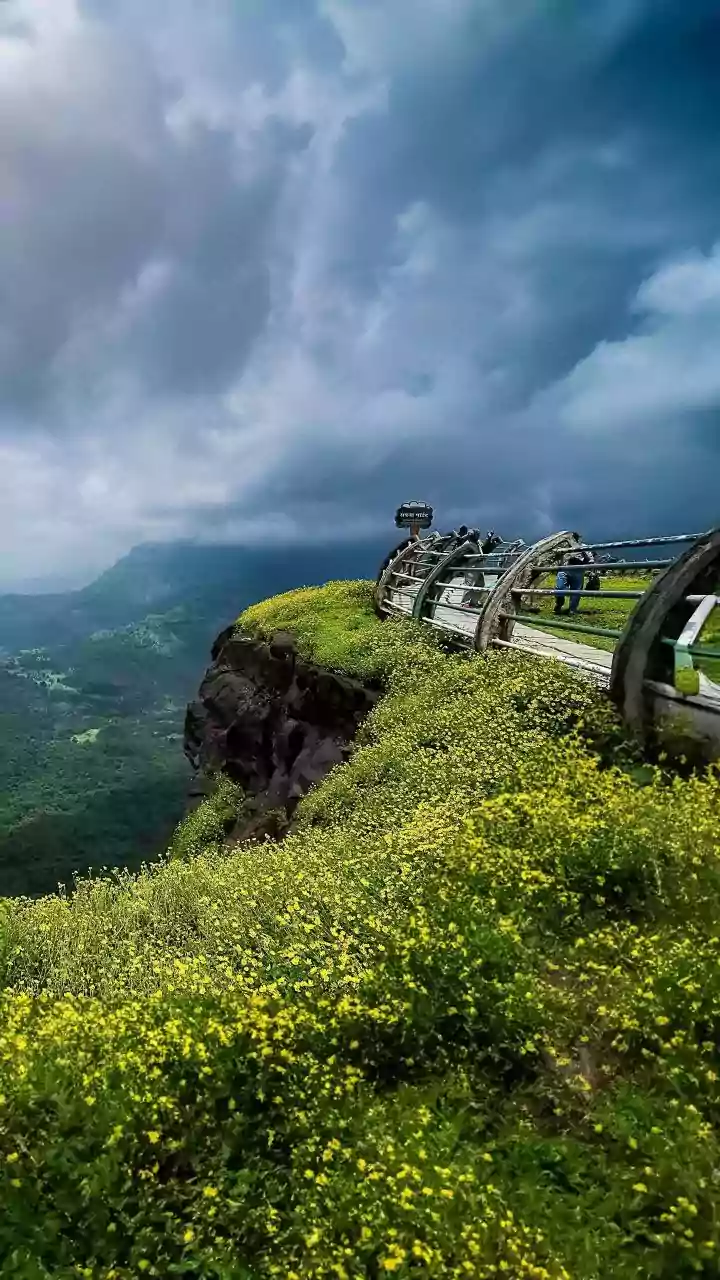
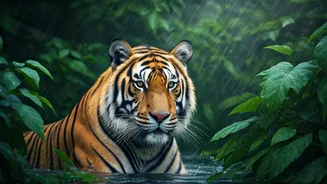
Think tiger safaris are only for the summer? Think again. While the core zones of most tiger reserves like Tadoba close during the monsoon for regeneration and safety, several buffer zones and specific gates often remain open. A monsoon safari here offers a completely different flavour. The forest is a lush, emerald paradise, a stark contrast to the dry, dusty landscape of summer. The waterholes are full, so animals are more dispersed, making sightings a rewarding challenge. But when you do spot a tiger walking through the vibrant green foliage, often with a dramatic, rain-filled sky as a backdrop, the photograph and the memory are unparalleled. The reduced tourist traffic means a more intimate and peaceful jungle experience, focused on the beauty of the forest itself, with a tiger sighting as the ultimate bonus.