



Your Monsoon Garden's Best Friend
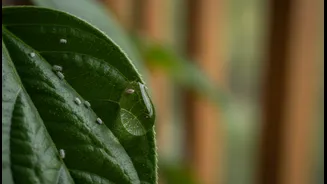
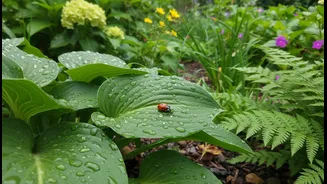
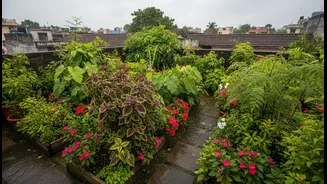
The arrival of the monsoon is a joyous occasion for any plant lover, promising lush growth and vibrant foliage. However, the high humidity and persistent moisture also create the perfect breeding ground for a host of unwelcome guests. Pests like aphids,
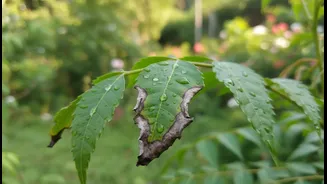
mealybugs, spider mites, and whiteflies, along with fungal diseases such as powdery mildew and black spot, thrive in these conditions. This is where pure, cold-pressed neem oil becomes an essential tool in your gardening arsenal. Derived from the seeds of the neem tree (Azadirachta indica), this natural, biodegradable oil has been used for centuries in India for its potent insecticidal and fungicidal properties. Its active compound, Azadirachtin, disrupts the life cycle of pests, deters them from feeding, and prevents fungal spores from taking hold, all without resorting to harsh chemical pesticides.
Pure Oil vs. Ready-to-Use Sprays
When you shop for neem oil, you will likely find two options: pre-diluted, ready-to-use sprays and bottles of pure, cold-pressed neem oil concentrate. While the pre-mixed versions offer convenience, they are often less potent. The active ingredient, Azadirachtin, can degrade over time, especially when mixed with water and left on a shelf. Buying pure, cold-pressed neem oil and mixing it yourself is not only more economical but also ensures you are using a fresh, effective solution every time. Some commercial sprays also contain unidentified inert ingredients, but when you mix it yourself, you know exactly what you're spraying on your plants.
The Essential Toolkit
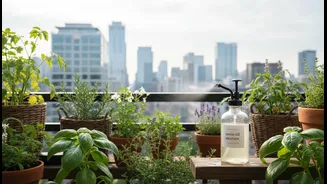
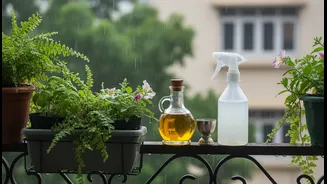
Creating the perfect neem oil spray is simple and requires only a few basic items that you likely already have at home or can easily find. First, you'll need 100% pure, cold-pressed neem oil. Second, a gentle liquid soap, such as a castile soap or a mild, unscented dishwashing liquid; this will act as an emulsifier. Since oil and water do not mix, the soap is crucial for ensuring the neem oil disperses evenly in the water instead of floating on top. You'll also need a spray bottle and some warm water, which helps the oil mix more easily.
The Perfect Monsoon Dilution Recipe
The key to using neem oil safely and effectively is the dilution ratio. An overly concentrated mixture can burn plant leaves, especially during the humid monsoon season when foliage is often damp. A standard, effective ratio for general pest prevention is easy to remember. For one litre of spray, you will need: 1 teaspoon (5 ml) of pure, cold-pressed neem oil, ½ teaspoon (2-3 ml) of mild liquid soap, and 1 litre of warm water. First, pour the warm water into your spray bottle. Add the liquid soap and shake gently to dissolve. Then, add the neem oil, close the bottle tightly, and shake vigorously. You should see a milky, uniform solution. If you see oil droplets floating, you may need a little more soap. It's important to use this mixture within eight hours, as its potency declines once mixed.
Smart Application Strategies for the Rains
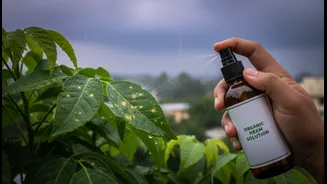
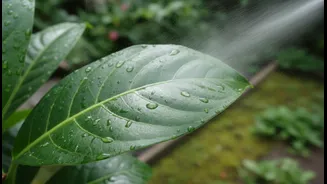
Timing and technique are everything when applying neem oil during the monsoon. Always apply the spray in the early morning or late evening. Spraying in direct sunlight or the heat of midday can cause the oil to heat up and scorch the leaves. Before spraying the entire plant, it's wise to do a patch test on a single leaf and wait 24 hours to check for any signs of stress. When you spray, be thorough. Pests love to hide on the undersides of leaves, so ensure you cover all surfaces—tops and bottoms of leaves, stems, and the soil surface—until the solution is dripping. Avoid spraying right before an expected downpour, as the rain will simply wash the solution off before it can work. For preventive care, apply every 10 to 14 days. If you are dealing with an active infestation, increase the frequency to once a week.
Safety for Plants, Pets, and People
Neem oil is considered non-toxic to birds and mammals and is generally safe to use around pets and humans when applied correctly. However, it's best to err on the side of caution. Keep pets and children away from the area while you are spraying and until the foliage has completely dried. While diluted neem oil on plants is considered safe, direct ingestion of the concentrate can cause gastrointestinal upset in pets, so always store the bottle in a secure location. Additionally, avoid using neem oil on very young seedlings or plants that are already stressed from wilting or recent transplanting, as they are more susceptible to damage.