






The Real Value of a Local Guide
When we think of responsible travel, we often picture reusable water bottles and respecting wildlife. These are vital, but a crucial element is often overlooked: the economic impact of our spending. Sustainable tourism rests on three pillars: environmental,
social, and economic sustainability. Paying fairly for services is a cornerstone of the economic and social pillars, ensuring that our presence benefits the host communities. A local guide is not just a person who shows you sights; they are a cultural translator, a storyteller, and a living library of local knowledge. They provide context that guidebooks miss and create pathways to genuine understanding. Their skill, honed over years, is a professional service. Treating their compensation as an optional gratuity, or aggressively haggling over their fee, devalues their expertise and undermines the local economy.
Beyond the All-Inclusive Bubble
The convenience of all-inclusive resorts is tempting, as they package flights, accommodation, and meals for a single price. However, this model can isolate tourists from the local community and culture. Studies have shown that in many all-inclusive setups, a large percentage of the money spent by travellers flows to international corporations, with as little as 10-20% remaining in the local economy. This "economic leakage" means that local restaurants, shops, and independent guides miss out on valuable income. Furthermore, the tight margins of these resorts can lead to poorer working conditions and lower pay for local staff, who also receive fewer tips because guests rarely handle money. Making a conscious choice to stay in locally-owned guesthouses, eat at family-run restaurants, and hire independent guides ensures your money directly supports the people who make your destination special.
How to Pay Fairly and Responsibly
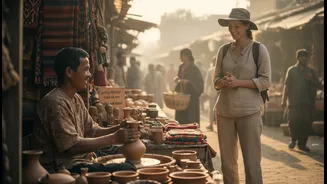
Practising fair payment is easier than you might think. Start by researching tour operators before you book. Look for companies that are locally owned or explicitly state that they employ local guides and provide fair wages. Many responsible travel enterprises are built on this very principle, seeing it as a way to alleviate poverty and preserve culture. When shopping for souvenirs, buy directly from artisans at local markets. While friendly bargaining can be part of the culture in some places, avoid aggressive haggling that devalues an artist's time and skill. Pay a price that feels fair for a unique, handcrafted item. When it comes to tipping, customs vary. In some places, a tip is expected for good service from a guide; in others, it is not. A little research beforehand can clarify local norms. When in doubt, a tip for a guide who has provided an excellent private tour is a thoughtful gesture of appreciation.
The Ripple Effect of Your Rupee
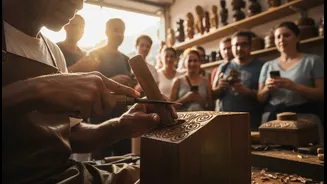
Every rupee you spend thoughtfully has a powerful ripple effect. When you pay a local guide a fair wage, you are not just funding one person; you are supporting their family and contributing to the community's overall economic health. This financial stability empowers communities to protect their cultural and natural heritage, creating a positive cycle. When locals see direct economic benefits from tourism, they become the most passionate stewards of their environment and traditions. Your decision to buy a hand-woven scarf from a local weaver, for instance, does more than provide you with a beautiful keepsake; it helps sustain a traditional craft for another generation. Choosing to travel this way transforms your role from a passive consumer to an active and respectful partner in a cultural exchange.