




To Soak or Not to Soak?
Soaking pulses before cooking is a tradition our ancestors swore by, and modern science backs them up. Soaking does more than just shorten cooking time. Pulses contain phytic acid and complex sugars called oligosaccharides. Phytic acid can bind with minerals
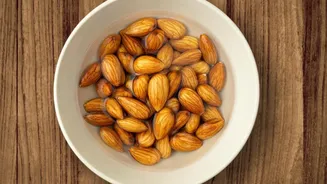
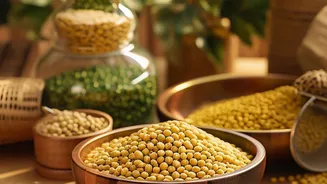
like iron, zinc, and calcium, making them harder for your body to absorb. The sugars are responsible for the gas and bloating some people experience after a bean-heavy meal. Soaking helps break down both. When you soak pulses, you activate an enzyme called phytase, which neutralises a significant portion of the phytic acid. The gas-causing sugars also leach out into the water. For this reason, it is crucial to always discard the soaking water and rinse the pulses thoroughly before cooking. Most larger beans like rajma and chana benefit from an overnight soak of 8-12 hours. Smaller lentils like moong or masoor need much less time, perhaps just 30 minutes to a few hours, while some split lentils can be cooked without soaking at all.
Does Your Water Make a Difference?
Have you ever cooked chickpeas for what feels like an eternity, only for them to remain stubbornly firm? The culprit might be your water. If you live in an area with hard water, it contains high levels of minerals like calcium and magnesium. These minerals can form a bond with the cell walls of pulses, preventing them from softening properly, no matter how long you boil them. This can result in longer cooking times and a tougher final texture. One simple solution is to add a pinch of baking soda to your soaking water, which helps create a more alkaline environment and breaks down the pulse's cell walls more readily. Alternatively, using filtered or soft water for cooking can make a noticeable difference, leading to creamier, more consistently cooked dals and beans.
The Salt Myth Debunked
A common piece of kitchen wisdom is to never add salt to pulses at the beginning of cooking, as it will make their skins tough. For decades, this has been the rule, but it turns out to be a myth. In fact, scientific studies and culinary experts have found that salting early can be beneficial. Adding salt to the soaking water (a process called brining) or to the cooking water from the start can actually result in a softer texture and shorter cooking time. The sodium ions in salt work to displace some of the magnesium and calcium ions in the skins of the pulses. This allows water to penetrate the skins more easily, leading to a creamier, more evenly cooked bean that is less likely to burst. However, one thing that does make pulses tough is acid. Ingredients like tomatoes, lemon juice, or vinegar can prevent pulses from softening, so it’s best to add these acidic components after the pulses are already tender.
The Great Debate: Pressure Cooker vs. Open Pot
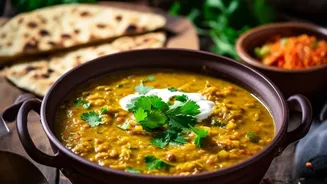
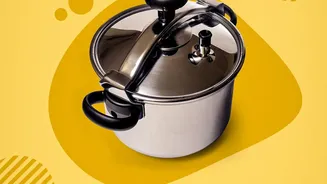
The pressure cooker is a staple in most Indian kitchens for its speed and efficiency. By raising the boiling point of water, it can cook tough chickpeas or kidney beans in a fraction of the time it would take on the stovetop. This method is excellent for saving time and fuel, and it also does a great job of retaining nutrients that might be lost in open-pot boiling. However, some chefs and home cooks argue that what you gain in speed, you lose in flavour depth. Slow simmering in an open pot allows flavours to develop more gradually and results in a richer, more complex taste, particularly for dishes like Dal Makhani. The slower evaporation process thickens the dal naturally, creating a creamier consistency. For everyday cooking, the pressure cooker is an undeniable champion. But for a special occasion meal where flavour is paramount, consider giving the slow, open-pot method a try.