







The New Frontier: What’s Changing
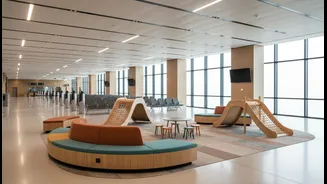
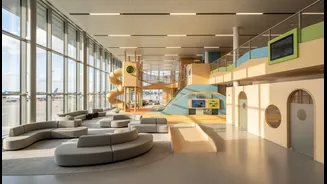
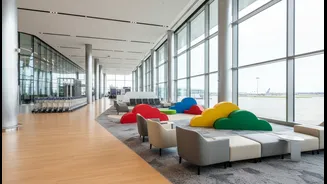
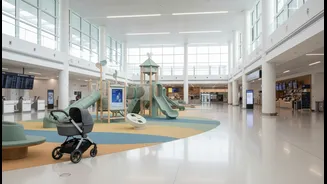
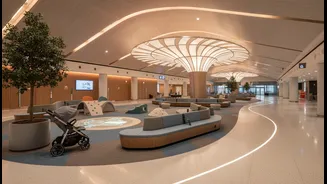
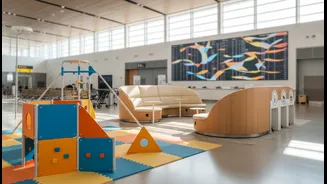
The latest wave of family-friendly airport design goes far beyond a token rocking horse in a corner. The most forward-thinking airports are integrating amenities that address the real-world needs of parents and children. This includes the rise of sensory
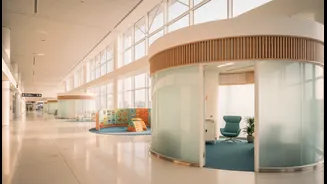
rooms, quiet spaces designed for neurodivergent travellers or any child feeling overstimulated by the airport's chaos. Hubs like Helsinki-Vantaa and Singapore Changi are lauded for creating these calming environments. The security process, often a major pain point, is also getting a rethink. Dedicated family lanes are becoming more common, designed to reduce stress by allowing families to go through screening at their own pace without the pressure of seasoned business travellers behind them. Some airports even offer child-sized bins and staff trained to assist with the process. Beyond logistics, entertainment is getting a high-tech upgrade. Forget basic slides; think interactive digital walls, educational exhibits about aviation, and even augmented reality experiences, as seen in airports like Singapore Changi and Istanbul. These features turn dreaded layover time into an engaging part of the adventure.
The Core Essentials: What Truly Matters
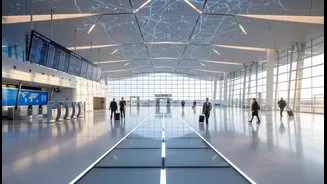
While high-tech zones are impressive, travel experts and parents agree that the fundamentals are what truly make or break the experience. At the top of the list are clean, accessible, and well-equipped family restrooms. This means spacious changing tables, private areas for nursing, and sometimes even child-sized toilets and sinks. Without these, all other amenities feel superficial. Simple, clear navigation is another critical element. An airport that is easy to navigate with a stroller, with clear signage and minimal long walks, is a huge win for families. Airports like Malaga in Spain are praised for their straightforward layouts. The availability of courtesy strollers can also be a game-changer, reducing the amount of gear a family has to haul. Finally, food matters. Having a wide range of dining options, including healthy choices and restaurants with kid-friendly menus, prevents the dreaded “hangry” meltdown and ensures families can find a proper meal, not just fast food. An airport that nails these basics is often rated more highly by families than one with flashy but impractical features.
Airports Leading the Charge
Several airports consistently appear in global rankings for their family-friendly credentials. Singapore Changi is a perennial leader, famous for its Jewel complex, which includes an indoor waterfall, butterfly garden, and multiple play areas. Seoul Incheon International Airport is another top contender, praised for its blend of technology and comfort, including cultural experience zones and dedicated family lounges. In Europe, airports like Helsinki-Vantaa, Amsterdam Schiphol, and Istanbul are recognised for their holistic approach, combining thoughtful design with practical services. Istanbul Airport, despite its massive size, has successfully created child-centric zones and provides free strollers and family fast-track services. In India, New Delhi's Indira Gandhi International Airport has launched a 'Family@DEL' initiative, featuring dedicated check-in counters, buggy support, and private baby care rooms. These airports prove that a focus on family travellers is a key component of a world-class passenger experience.
Navigating the Gaps: What Remains Unclear
Despite progress, the family-friendly experience is far from universal. The biggest issue is inconsistency. An airport might have a fantastic play area in one terminal but nothing in another. Similarly, a positive experience can be derailed by a single hurdle, like a lack of elevators or a surprisingly long walk to a connecting gate. The cost of implementing and maintaining these features is a significant barrier, especially for smaller airports or those undertaking retrofits of older buildings. Building a sensory room or a state-of-the-art playground is a major investment. Furthermore, there's the challenge of information. Many airports have great family resources, like free activity books or special assistance programs, but they are not well-advertised. Parents often don't know what's available until they arrive, if at all. The future of family-friendly design likely lies in bridging these gaps—creating a consistently positive experience from kerb to gate and making that information easily accessible to parents during the trip-planning phase.