



What 'Fresh' Pet Food Actually Means
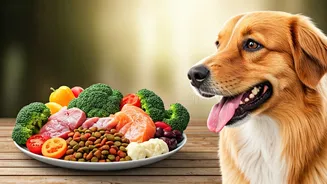
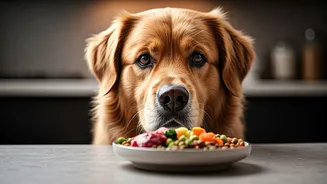
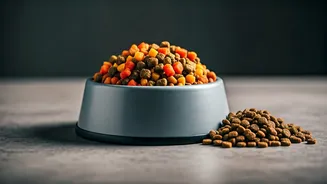
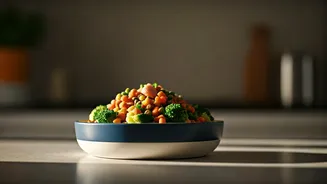
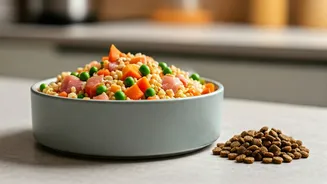
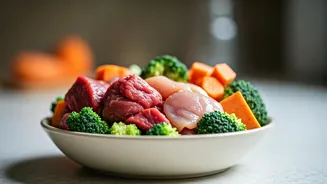
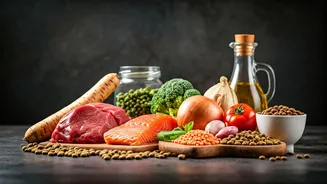
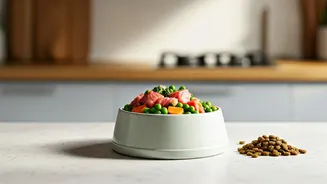
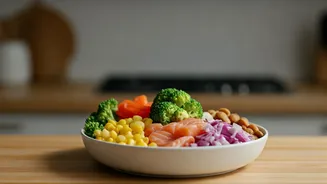
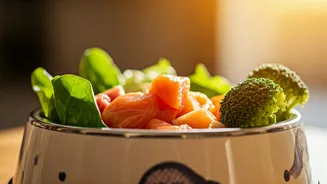
First, let's clarify what we mean by "fresh." Unlike the shelf-stable, highly processed "little brown balls" of kibble, fresh pet food typically refers to meals made from whole-food ingredients that are gently cooked at low temperatures. These meals often
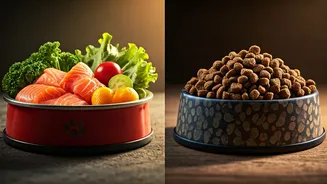
look like food you might prepare yourself, with visible chunks of meat and vegetables. Because this gentle cooking process is designed to preserve nutrients and there are fewer preservatives, these foods require refrigeration or freezing and have a much shorter shelf life than their kibble counterparts. This approach is fundamentally different from how kibble is made, which uses a high-temperature, high-pressure process called extrusion to create its familiar dry pellets.
The Push Away From Processed Kibble
The shift towards fresh diets is largely driven by a change in how we view our pets and their food. As pet owners increasingly see their animals as family members, they are applying their own wellness principles to their pets' bowls. Many people who are trying to eat fewer processed foods themselves are beginning to question the highly processed nature of kibble. Concerns have grown around the use of fillers, artificial additives, and powdered "meals" made from rendered animal by-products in some commercial pet foods. The high-heat extrusion process used for kibble can also diminish the nutritional value of the original ingredients, something fresh food advocates are keen to avoid.
The Nutritional Argument for Freshness
Proponents of fresh diets point to several key benefits. The primary advantage is often cited as improved digestibility. Because the ingredients are less processed and more recognizable, a dog's system may be able to absorb and utilize the nutrients more effectively. Fresh food also has a much higher moisture content, which helps with hydration and can support kidney health. Many owners who make the switch report seeing tangible results, such as shinier coats, healthier skin, increased energy levels, and smaller stools. Furthermore, for owners of picky eaters, the enhanced aroma and palatability of a fresh, gently cooked meal can be a game-changer, turning mealtime from a struggle into a success.
A Vet’s-Eye View and Potential Risks
While the benefits sound appealing, veterinarians urge a balanced and cautious approach. A primary concern is nutritional completeness. Any food you serve as a primary meal, whether it's kibble or fresh, should have a statement from the Association of American Feed Control Officials (AAFCO) confirming it is "complete and balanced" for your pet's life stage. This ensures it provides all the necessary nutrients in the correct ratios. While many vets are becoming more open to fresh diets, especially as major brands enter the market, they are also wary of the risks. Raw food, a cousin of cooked fresh food, carries a significant risk of bacterial pathogens like Salmonella and E. coli, which can sicken both pets and humans. Gently cooking the food greatly reduces this risk, making it a safer alternative in many veterinary opinions.
The Practical Side: Cost and Convenience
Beyond nutrition, there are practical considerations. There's no getting around the fact that fresh pet food is significantly more expensive than kibble. The use of whole, human-grade ingredients and the need for refrigerated shipping and storage contribute to the higher price tag. This can be a major barrier for many households, especially those with large dogs. Convenience is another factor. Kibble is praised for being easy to store, scoop, and serve. Fresh food requires dedicated fridge or freezer space, careful portioning, and more planning. It's a commitment that doesn't fit every pet owner's lifestyle.