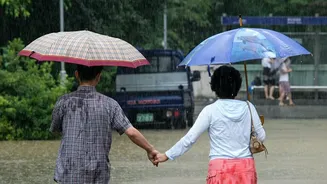

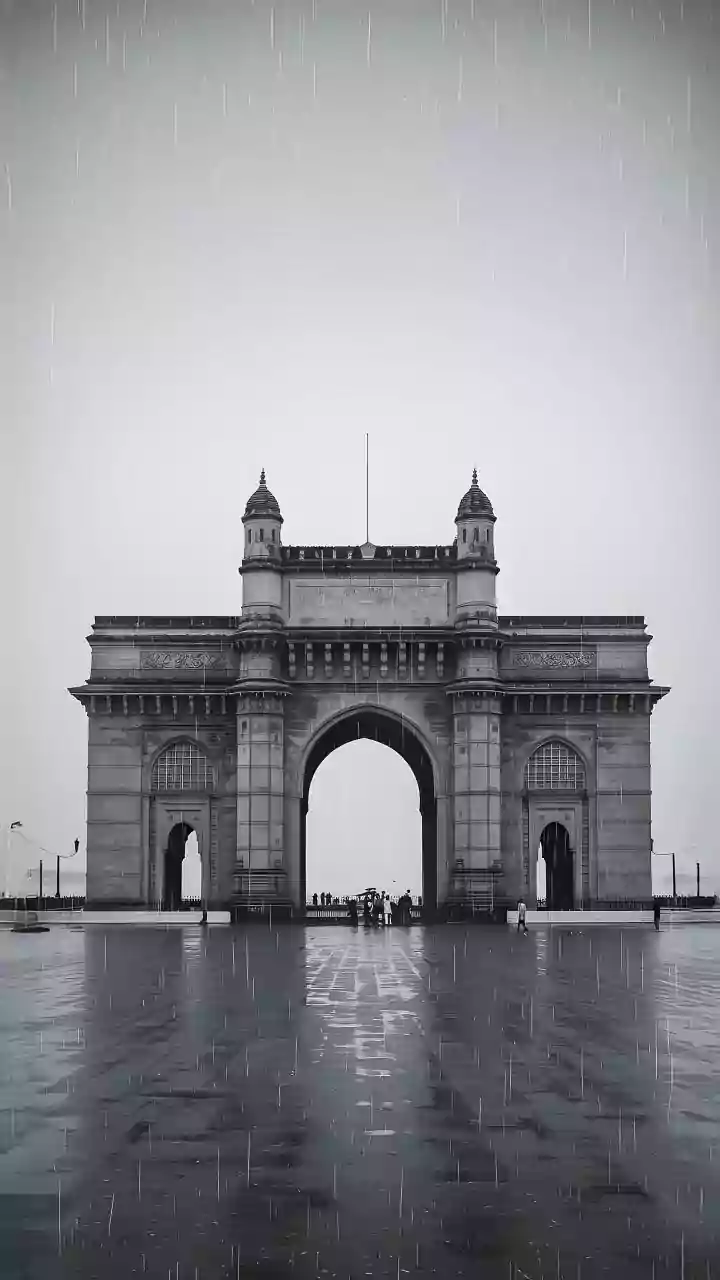


Every monsoon, images of submerged streets and stranded vehicles flood social media from India's metros. While concrete drains struggle to cope, a powerful, overlooked ally in the fight against urban waterlogging lies hidden in plain sight.
The Concrete Conundrum
Modern cities
are designed to be impervious. Roads, buildings, and pavements are made of concrete and asphalt, which prevent rainwater from seeping into the ground. Instead, a massive volume of water is channelled into stormwater drains. During heavy downpours, these systems are quickly overwhelmed. The result is predictable: flash floods and days of crippling waterlogging that disrupt life and damage property. This reliance on 'grey infrastructure' alone has proven insufficient as climate change brings more intense and erratic rainfall. Cities are essentially creating a flood problem by sealing the very ground that could have absorbed the water.
Nature’s Sponges: How Wetlands Work
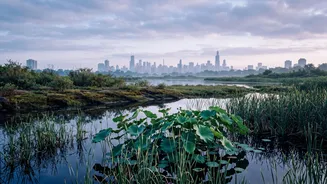
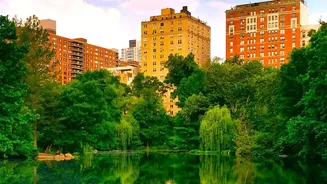
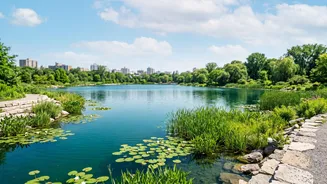
Wetlands—such as marshes, swamps, and lakes—function like giant natural sponges. Their soil and dense vegetation absorb and hold vast quantities of rainwater, slowing its flow and releasing it gradually into the ground or downstream water bodies. This process, known as floodwater storage, naturally reduces the peak flow of water that would otherwise inundate city streets. Beyond flood control, wetlands also act as 'nature's kidneys', filtering pollutants from runoff, recharging precious groundwater reserves, supporting biodiversity, and even helping to cool urban microclimates.
A Shining Example: The East Kolkata Wetlands
Perhaps the most celebrated example of a functional urban wetland system in India is the East Kolkata Wetlands (EKW). This 12,500-hectare mosaic of water bodies and farms is recognised globally as a Ramsar site. It serves as a natural drainage basin for Kolkata, absorbing excess monsoon runoff and saving the city from severe waterlogging. Remarkably, the EKW also naturally treats a significant portion of the city's sewage. The wastewater, rich in nutrients, supports fisheries and agriculture, creating a sustainable economy for thousands of people. The EKW is a living testament to how traditional ecological knowledge can provide sophisticated, low-cost solutions to modern urban challenges.
The Cautionary Tale of Chennai
In stark contrast, Chennai offers a cautionary tale. The city has lost an estimated 85% to 90% of its wetlands to rapid and often unplanned urbanisation. The Pallikaranai marsh, one of the last remaining freshwater wetlands in the city, has shrunk dramatically over the decades. This critical 'sponge' which once absorbed heavy monsoon rains, is now fragmented by construction and choked with waste. The consequences have been severe, with experts directly linking the degradation of the marsh and other water bodies to the devastating floods that have crippled the city in recent years. What remains of the marsh still plays a vital role in flood mitigation, but its diminished capacity highlights the immense risk of destroying natural infrastructure.
The Challenge of Urban Encroachment
The story of Chennai is not unique. Across India, from Mumbai to Bengaluru and Hyderabad, urban wetlands are under severe threat. They are often viewed as wastelands ripe for real estate development rather than as vital ecological assets. Encroachment, illegal construction, pollution from untreated sewage, and garbage dumping are systematically destroying these natural drainage systems. India has reportedly lost around 40% of its wetlands in the last three decades, with urban losses being particularly acute. This destruction not only heightens flood risk but also contributes to water scarcity and loss of biodiversity.
A Path Forward with Nature
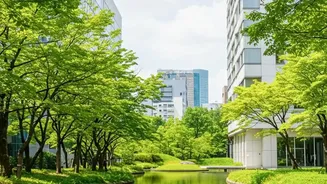
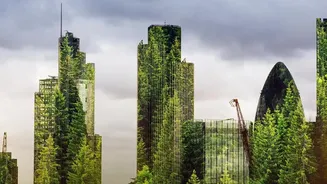
Protecting and restoring urban wetlands is no longer a choice but a necessity for building climate‐resilient cities. This requires a fundamental shift in urban planning. Instead of building over them, cities must integrate wetlands into their master plans as critical green infrastructure. National policies like the Wetlands (Conservation and Management) Rules, 2017, provide a framework, but effective implementation at the local level is key. This includes demarcating wetland boundaries, preventing encroachment, managing pollution, and fostering community participation. By viewing wetlands as allies rather than obstacles, Indian metros can harness their natural power to create cities that are safer, more sustainable, and better equipped to handle the challenges of the future.