
The Protein Puzzle in Indian Diets
Protein is a vital building block for our bodies, essential for everything from muscle repair and hair growth to a strong immune system. The Indian Council of Medical Research (ICMR) suggests adults need about 0.8 to 1.0 gram of protein per kilogram of body
weight daily. However, studies show a significant portion of the Indian population, particularly vegetarians, falls short of this target. This isn't due to a lack of options, but often because meals can become heavy on refined carbohydrates like white rice and wheat, with protein sources playing a smaller role. The good news is that Indian culinary traditions already hold the key; it just requires a little shift in focus to bring protein to the forefront of every meal.
The Power of Pulses (Dal and Beyond)
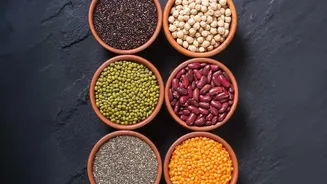
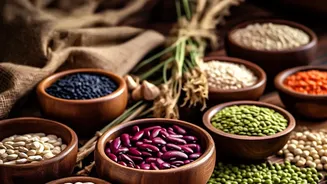
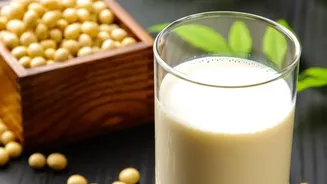
Dals are the foundation of protein in most Indian homes. While staples like toor (arhar) and moong dal are excellent, there's a whole spectrum to explore. In their raw, uncooked form, dals like urad, masoor, and chana can contain 22-25 grams of protein per 100 grams. When cooked, this protein gets diluted by water, so a katori of dal might provide 7-9 grams. To truly boost intake, variety is key. Incorporate rajma (kidney beans), chana (chickpeas), lobia (black-eyed peas), and even lesser-used powerhouses like soya chunks, which contain a massive 52 grams of protein per 100g (dry). Rotating through different pulses not only prevents palate fatigue but also ensures a wider range of amino acids and micronutrients.
Rediscovering Traditional Whole Grains
For generations, Indian diets were powered by a rich variety of whole grains, long before polished white rice and refined wheat became dominant. These ancient grains, particularly millets, are making a comeback for good reason. Millets like bajra (pearl millet), jowar (sorghum), and ragi (finger millet) are not only robust crops but also nutritional powerhouses. Per 100 grams, bajra contains about 11-12g of protein, jowar around 11g, and even humble whole wheat has about 13g. Swapping a portion of your regular atta for a multigrain version or replacing one white rice meal a week with a millet-based dish like bajra khichdi or jowar roti can significantly increase your protein and fibre intake.
The Art of Smart Combination
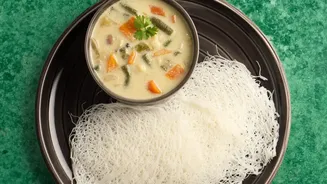
The true genius of traditional Indian cuisine lies in its understanding of 'complete protein'. Most plant-based proteins are 'incomplete', meaning they lack one or more essential amino acids that our bodies cannot produce. However, when you combine different plant foods, their strengths and weaknesses complement each other. The classic pairing of dal and rice is a perfect example. Dal is typically rich in the amino acid lysine but low in methionine, while rice is low in lysine but has more methionine. Eaten together, they form a complete protein profile, giving your body all the essential building blocks it needs. The same principle applies to rajma-chawal, roti with dal, or idli and dosa (made from a fermented batter of rice and urad dal).
Simple Swaps for a Protein Boost
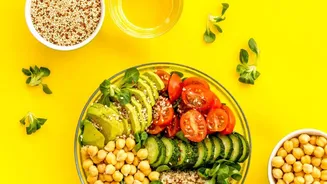
Increasing your daily protein doesn't require a radical diet overhaul. Small, consistent changes can make a big difference. Start your day with a moong dal chilla instead of a carb-heavy breakfast. Snack on roasted chana or peanuts instead of fried snacks. Add a handful of sprouts or some crumbled paneer to your salads. Incorporate sattu, a flour made from roasted gram, into your routine by making a simple, refreshing drink. If you eat curd, switching to Greek yogurt can nearly triple the protein content. By focusing on adding, rather than just subtracting, you can enrich your meals and effortlessly meet your body's protein needs.