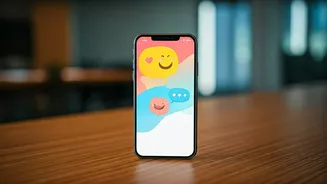







From Private Gratitude to Public Praise
The etiquette of expressing professional gratitude is undergoing a significant transformation. The traditional, private methods of thanking a mentor—a handwritten note, a personal email, or a quiet conversation—are being supplemented by louder, more visible
declarations. Professionals, particularly those from Millennial and Gen Z cohorts, are increasingly taking to platforms like LinkedIn, and even internal company Slack channels, to publicly acknowledge the impact their mentors have had on their careers. This can range from a detailed LinkedIn post complete with a recommendation to a celebratory message in a team group chat. This shift reflects a broader change in workplace communication, where digital platforms have blurred the lines between private conversations and public announcements, turning personal gratitude into a shared, visible event.
The 'Why Now?' Factor
Several factors are driving this trend. Firstly, the rise of remote and hybrid work models means fewer opportunities for the in-person interactions that once facilitated private expressions of thanks. Digital platforms have become the new office hallways. Secondly, younger generations in the workforce expect and value transparency and authenticity in their professional relationships. They are more accustomed to sharing their lives publicly and see no reason why professional appreciation should be any different. This is part of a broader desire for a more humanized, less hierarchical approach to mentorship, where the relationship is a dialogue rather than a top-down instruction. Lastly, there is a cultural element of public validation. Publicly praising a mentor not only gives them credit but also reflects well on the mentee, showcasing their growth and their professional network.
The Upside of Going Public
Public recognition offers a host of benefits for everyone involved. For the mentor, a public shout-out can enhance their professional reputation and serve as a powerful testament to their leadership skills. It is a form of social proof that can lead to new opportunities and reinforce their value within an organization. For the mentee, it is an opportunity to build their own professional brand by publicly aligning themselves with respected figures in their field. Organizations also stand to gain. A culture where recognition is public and encouraged can boost morale, increase employee engagement, and reinforce the company's commitment to growth and collaboration. Psychologically, public praise can trigger the brain's reward centers, reinforcing positive behaviors and strengthening social bonds within teams.
Navigating the New Etiquette
While the trend is largely positive, it comes with its own set of unwritten rules and potential pitfalls. The primary rule is to consider the mentor's personality. Some people prefer private acknowledgment and might find a public display uncomfortable or overwhelming. It's often wise to check in before posting. There's also a risk of praise appearing performative rather than genuine, especially if it's generic. The most effective public thank-yous are specific, detailing the exact advice or action that made a difference. Another consideration is the potential for creating social comparison and resentment. When some mentors are praised publicly and others are not, it can inadvertently create a visible hierarchy of who is considered a 'good' mentor, which can lead to feelings of being overlooked.
Is This the Future of Mentorship?
This shift towards public appreciation doesn't mean the end of private gratitude. A heartfelt, handwritten note or a sincere, one-on-one conversation still carries immense weight. Rather, the toolkit for showing appreciation has expanded. The future of mentorship will likely involve a hybrid approach, where both public and private forms of thanks coexist. What this trend truly signifies is the evolving nature of professional relationships in the digital age. Younger generations expect mentorship to be an active, ongoing dialogue, and they want to celebrate the people who guide them in a way that feels natural to their digitally native lives. This public performance of gratitude ultimately reinforces the importance of mentorship, encouraging more people to both seek it out and offer it.