



The High Cost of Travel Anxiety
The stress associated with air travel isn't just a personal inconvenience; it's a significant commercial problem for the aviation industry. According to the recently released 2026 Passenger IT Insights report by SITA, a leading air transport technology
provider, travel-related stress is actively discouraging people from flying. The survey, which gathered responses from nearly 8,000 travellers across 24 countries, found that a staggering four in 10 passengers (42%) have decided against booking a trip because they anticipated it would be too stressful. This issue is even more pronounced among the industry's most valuable customers. Six in ten frequent flyers and more than half of travellers under 30 have opted out of a trip due to expected anxiety. These younger travellers are not only the next generation of frequent flyers but also, along with seasoned travellers, the most optimistic about a solution. A vast majority believe technology holds the key to a smoother journey.
Pinpointing the Pain Points
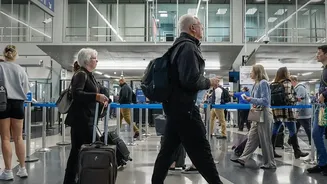
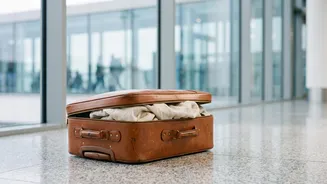
To solve travel stress, one must first understand its source. The SITA report identifies the primary culprits as operational uncertainties that leave passengers feeling powerless. The biggest frustrations cited are flight delays and cancellations, long queues, and anxieties surrounding baggage handling. Much of this stress boils down to a single factor: not knowing what will happen next. The period between clearing security and boarding, known as airport dwell time, has become particularly fraught. One-third of passengers now report feeling anxious during this window, a threefold increase from 2023, according to SITA. This anxiety not only sours the travel experience but also impacts airport commercial revenues, as stressed passengers are less likely to spend time shopping or dining.
Technology as the Solution
The good news is that passengers are overwhelmingly open to technological solutions. Eight in ten travellers believe technology can significantly reduce the stress of flying. The core benefit lies in giving passengers more information and control. The most effective technologies are those that create a seamless, predictable experience. Mobile apps, for instance, are a cornerstone of modern travel, with 91% of passengers using them for booking, a stage that now registers the lowest level of negative emotion. The goal is to extend that sense of calm across the entire journey. Passengers have shown a strong preference for technologies that provide real-time updates on flight status, security wait times, and baggage location. Some 40% of travellers are even comfortable receiving these updates from an AI system designed to monitor their journey.
The Promise of a Seamless Journey
Biometric technology is emerging as a game-changer in the quest to reduce airport friction. By allowing passengers to use their face as their boarding pass and ID, biometrics can drastically cut down on queues at check-in, bag drop, security, and boarding gates. Passengers who have used biometrics report very high satisfaction rates, rating the experience higher than traditional face-to-face interactions. The United Arab Emirates serves as a compelling case study. In the UAE, where 77% of passengers used technology at border control, only 13% reported negative emotions at that stage, compared to 37% globally. This demonstrates that when implemented effectively, technology can transform some of the most stressful touchpoints into smooth, efficient processes. The result is a calmer passenger who has more free time and a more positive travel outlook.