





The Power in a Tiny Seed
Flaxseeds, or 'alsi' as they are known in Hindi, are nutritional powerhouses. While they are a good source of fibre and lignans (which have antioxidant qualities), their main claim to fame is their high concentration of Omega-3 fatty acids. Specifically,
flaxseeds are rich in alpha-linolenic acid (ALA), a plant-based Omega-3. Your body uses ALA for energy, and it can also convert it into small amounts of other essential Omega-3 fats, like EPA and DHA, which are crucial for brain health and reducing inflammation. For the vast number of vegetarians and vegans in India, getting enough Omega-3s can be a challenge, as the most famous sources are fatty fish. Flaxseeds offer a simple, plant-based solution.
Why Crushed is Crucial
Here's a detail you cannot ignore: you must use crushed or ground flaxseeds. If you eat them whole, they will likely pass through your digestive system intact. Their tough outer shell prevents your body from accessing the goodness locked inside. You can buy pre-ground flaxseed meal, but grinding them yourself in small batches using a coffee grinder or a simple mixer-grinder is often better. This ensures maximum freshness and potency. Whole seeds have a longer shelf life, so you can buy them in larger quantities and grind a week's worth at a time. Store the ground seeds in an airtight container in the refrigerator to protect the delicate oils from going rancid due to heat and light.
Dal: The Perfect Partner
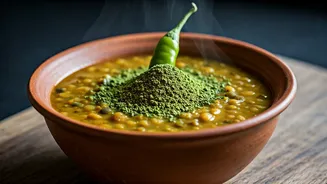
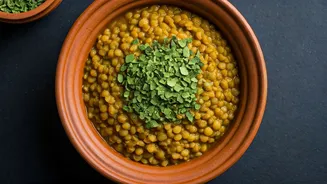
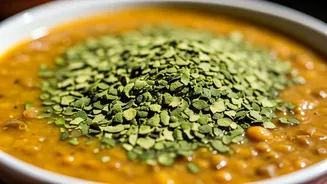
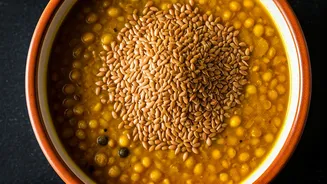
So, why is dal the perfect medium for your daily dose of flax? First, its ubiquity. Most of us eat it almost every day. Tying a new health habit to an existing one is the easiest way to ensure consistency. Second, the texture and flavour are highly compatible. A spoonful of ground flaxseed meal will blend seamlessly into the thick consistency of dal, disappearing without altering the taste in any significant way. It might add a subtle, nutty note and slightly thicken the dal, which is often a welcome effect. It’s a far cry from trying to stir it into a clear glass of water or remembering to sprinkle it over a salad.
Your Simple Guide to Doing It Right
Incorporating this is incredibly simple, but timing is everything. The healthy fats in flaxseed can be damaged by excessive heat. Therefore, you should not cook the flaxseed powder with your dal from the beginning.
1. **Prepare your dal as you always do.** Whether it's dal tadka, dal makhani, or a simple sambar, follow your favourite recipe to completion.
2. **Add the flaxseed at the very end.** Once the dal is cooked and you have turned off the heat, stir in one to two tablespoons of ground flaxseed powder per serving. For a family-sized pot, you can add a corresponding amount (e.g., 3-4 tablespoons) and stir it through just before serving.
This method ensures the powder is mixed in well while gently warming it, preserving its nutritional integrity.
A Few Things to Remember
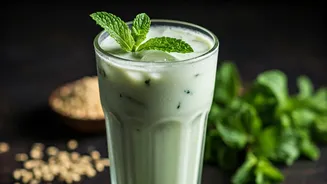
While this is a safe and healthy habit, there are a few things to keep in mind. First, start with a smaller amount, like one teaspoon, and gradually increase it. Flaxseeds are very high in fibre, and a sudden increase can cause temporary digestive discomfort for some. Second, whenever you increase your fibre intake, it's essential to also increase your water intake throughout the day to help your system process it smoothly. Finally, while dal is an excellent choice, don't forget you can also add your ground flaxseed to oatmeal, yoghurt, smoothies, or the atta you use to make rotis. The goal is consistent, daily intake, and this dal hack is one of the easiest ways to achieve it.