





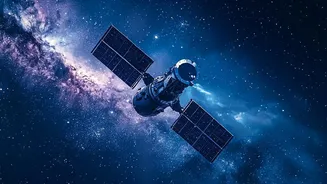
Building the Hardware: Rockets and Satellites
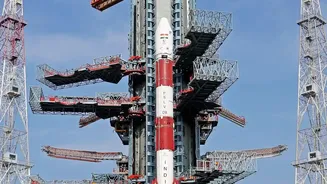
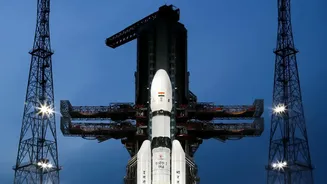
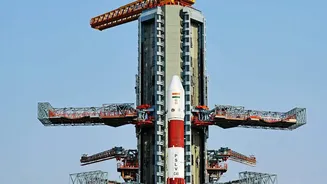
The most visible part of the space economy is the hardware. Private Indian companies like Skyroot Aerospace and Agnikul Cosmos are now building and launching their own rockets. This creates a demand for aerospace, mechanical, and avionics engineers to
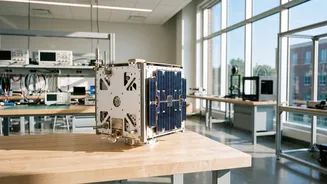
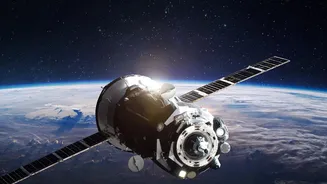
design, build, and test these complex machines. But it's not just about big rockets. The demand for small satellites for communication constellations and Earth observation is exploding. Companies like Dhruva Space and Pixxel are at the forefront, designing and manufacturing these satellites in India. This upstream manufacturing requires a skilled workforce of technicians, systems engineers, and quality control specialists, creating a robust industrial base that extends far beyond the launchpad.
Downstream Data: Turning Space Data into Insights
Perhaps the largest job creator won't be in building rockets, but in using the data they send back. This is the 'downstream' sector. Satellites orbiting Earth collect vast amounts of information. Companies are now translating this data into actionable business intelligence. For example, firms like SatSure use satellite imagery to provide insights for agriculture and climate analytics. This data can help farmers monitor crop health, insurance companies assess risk, and urban planners manage city growth. This sector is creating jobs for data scientists, geospatial analysts, software developers, and machine learning engineers who can build the platforms to process and interpret this information, connecting space technology to everyday economic activity.
Launch Services and Ground Support
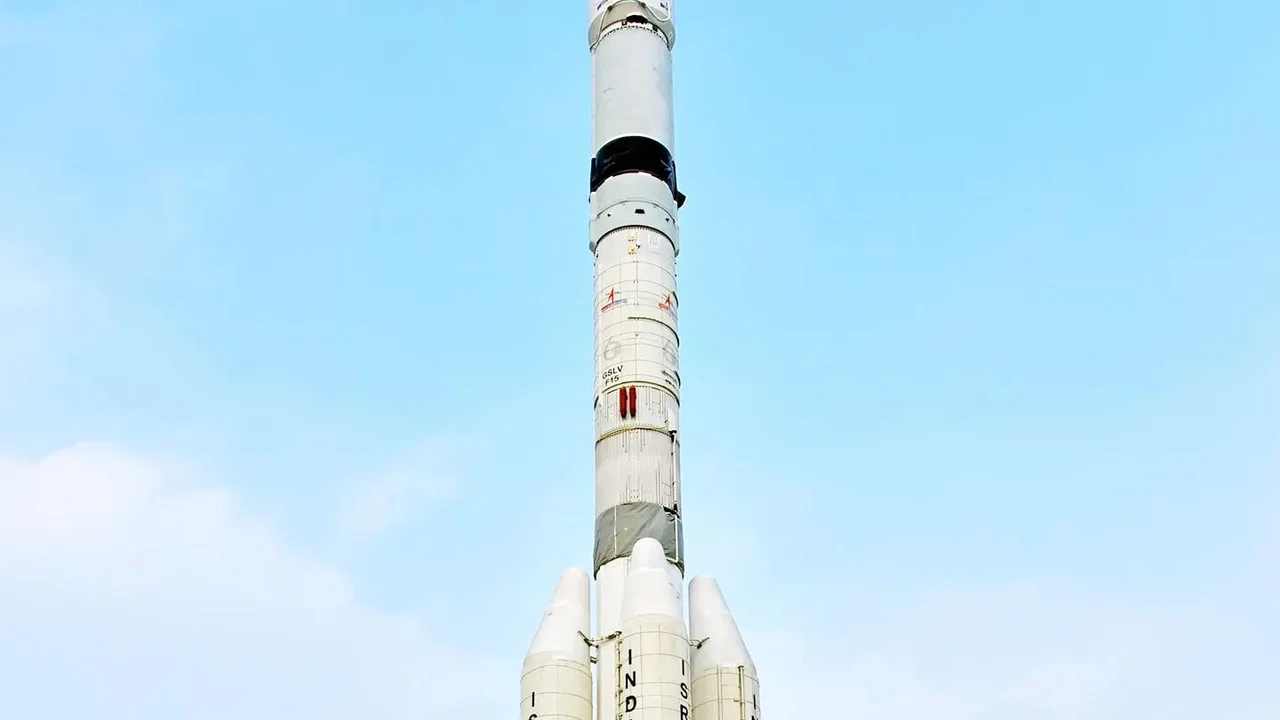
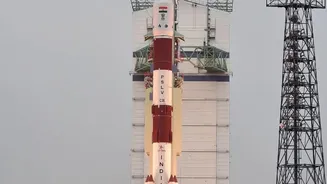
A rocket launch is a massive logistical operation that requires a huge support system on the ground. As private launches become more frequent, there's a growing need for professionals in launch management, ground station operations, and mission control. This includes the engineers and technicians who manage launch pads, tracking stations, and data reception centres. The privatisation of launch services, marked by Skyroot Aerospace's successful Vikram-1 orbital launch in July 2026, signals a major shift. This opens up opportunities not just for rocket scientists, but for logisticians, communication specialists, and safety personnel who form the critical infrastructure for every mission.
Ancillary Industries and Advanced R&D
The space ecosystem is supported by a web of ancillary industries. These are the companies that provide the essential, highly specialised components and materials that go into rockets and satellites. This includes firms that manufacture everything from advanced electronics and control systems to specialised alloys and precision components. Furthermore, private companies are now investing heavily in their own Research and Development (R&D). Startups like Bellatrix Aerospace and Manastu Space are developing innovative new propulsion systems. This creates high-value jobs for researchers, material scientists, and plasma physicists outside of traditional government labs, pushing the boundaries of technology.
The Business of Space: Law, Finance, and More
As the space sector commercialises, it needs the same professional services as any other industry, but with a specialised focus. The rise of over 400 space startups in India, backed by hundreds of millions in investment, has created a need for venture capitalists and financial analysts who understand the unique risks and rewards of space-tech. There is also a growing demand for lawyers who specialise in space law to navigate complex international treaties and domestic regulations. Beyond that, these new companies need marketing professionals, business development associates, and human resource managers. These roles prove that you don't need to be an engineer to be part of India's exciting journey into the commercial space age.