



Beyond Just White Walls
When you hear ‘minimalism’, you might picture stark, cold rooms that look more like art galleries than homes. But the version taking root in Mumbai, Bengaluru, and Delhi is warmer and more soulful. This isn't about getting rid of everything you own. Instead,
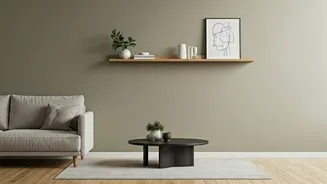
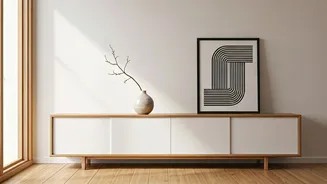
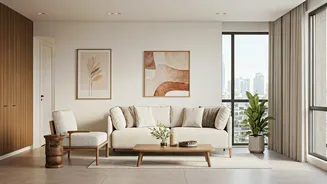
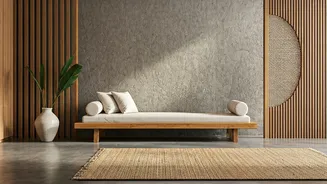
it’s about conscious curation. It’s a philosophy of ‘less, but better’—choosing a few high-quality, meaningful pieces over a multitude of things that simply fill space. Indian minimalism embraces clean lines and uncluttered surfaces, but it doesn't reject personality. It makes room for a single, beautiful piece of art to shine, for the texture of a handloom textile to be appreciated, and for natural light to become a design element in itself. The goal isn't emptiness; it’s clarity.
The Urban Compulsion for Calm
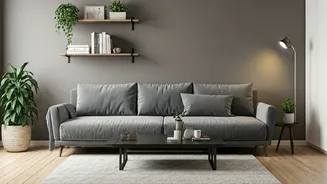
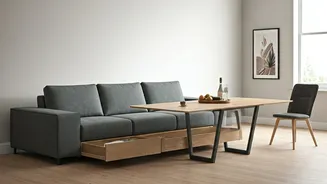
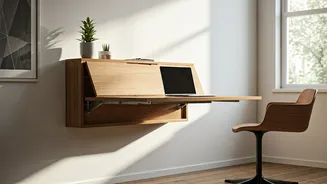
This shift isn’t just about aesthetics; it’s a direct response to the realities of modern urban life. Apartments in metro cities are getting smaller and more expensive. A minimalist approach is practical—it makes a small space feel larger, more organised, and more functional. When your living room also has to be your home office and maybe even your workout zone, every square foot counts. Beyond the practical, there's a deep psychological driver. City life is a sensory overload of traffic, noise, and constant connectivity. For many, home has become the last bastion of peace—a sanctuary to unplug and recharge. A decluttered physical environment can have a profound impact on mental clarity, reducing stress and anxiety. In a chaotic world, a calm, ordered home is the ultimate luxury.
An Indian Take on a Global Trend
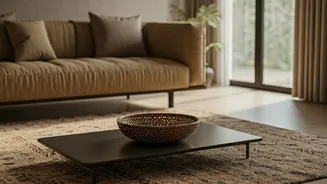
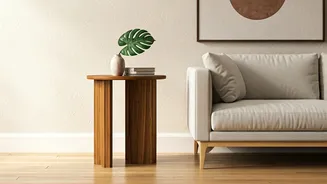
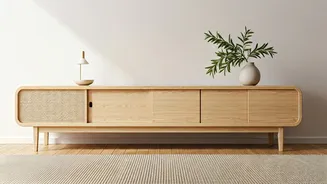
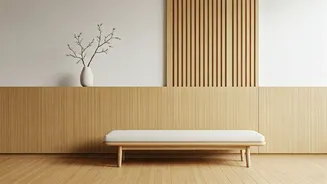
While the movement has global influences—drawing from the tranquil simplicity of Japanese 'Wabi-Sabi' and the cosy functionality of Scandinavian design—it's being interpreted with a uniquely Indian vocabulary. Designers and homeowners are moving away from imported marble and glossy finishes, instead celebrating local materials and craftsmanship. Think furniture made from sustainable Indian teak or sheesham, floors of polished concrete or warm terracotta tile, and walls finished with lime plaster (limewash). It’s about creating a connection to the earth and to our own heritage. This new aesthetic finds beauty in imperfection and values objects with a story, whether it’s a handcrafted wooden bowl, a brass lamp from a local artisan, or a single piece of antique furniture inherited from a grandparent.
Quality Over Quantity
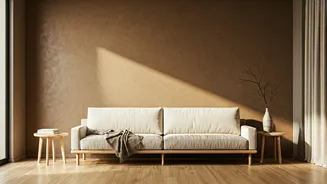
For generations, Indian homes were often showcases of abundance. A well-appointed home was filled with objects, intricate carvings, and layers of decorative items—symbols of prosperity and a rich family life. The minimalist trend turns this idea on its head, redefining luxury not as accumulation, but as intention and quality. The focus shifts from ‘how much can I have?’ to ‘what do I truly need and love?’. This means investing in a single, well-made sofa that will last for decades, rather than a trendy but flimsy set. It means choosing natural, breathable fabrics like cotton, linen, and khadi for upholstery and curtains. This philosophy extends to decor, where a few cherished family photographs or a single striking plant can have more impact than a wall full of generic art.
A Generational Shift in Values
Ultimately, the rise of minimalism in urban India reflects a broader generational shift. Millennials and Gen Z, who are often more mobile and live in nuclear family setups, are less attached to the idea of a ‘forever home’ filled with heavy, immovable furniture. They value experiences over possessions and are increasingly conscious of sustainability and mindful consumption. This doesn't mean a rejection of tradition, but a reinterpretation of it. The ornate puja unit might be replaced by a simple, quiet corner for reflection. The collection of brass heirlooms might be edited down to a few standout pieces that are displayed with pride. It’s about honouring the past while creating a living space that serves the present—a space that is light, adaptable, and a true reflection of the self.