
From Trash to Treasure
We often discard herb stems, assuming all the value is in the leaves. But for soft herbs like coriander (dhaniya) and mint (pudina), the stems carry a significant amount of the plant's aromatic oils and flavour. Tossing them out is like throwing away
free flavour. In a world where zero-waste cooking is gaining traction, using the whole plant is not just sustainable but also smart. It maximises the money you spent on the fresh produce and reduces the amount of food heading to the bin. By transforming these humble stems into infused oils, you unlock a potent ingredient that can elevate your everyday cooking from simple to special.
The Essentials: What You’ll Need
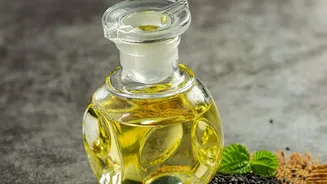
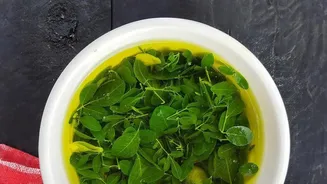
The beauty of this process is its simplicity. You only need two main components: the herb stems and a carrier oil. For the stems, gather your leftover coriander and mint stalks. This method also works wonderfully for other soft herbs like parsley or dill. The key is to ensure they are clean and, most importantly, completely dry. Any water left on the stems can encourage bacterial growth and spoil the oil. For the oil, choose a neutral-flavoured variety that won't overpower the delicate herb notes. Grapeseed oil, sunflower oil, or a light olive oil are all excellent choices. A neutral oil acts as a blank canvas, allowing the bright, fresh flavours of the mint and coriander to be the star.
A Simple Guide to Infusion
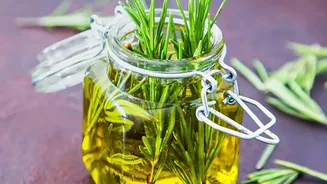
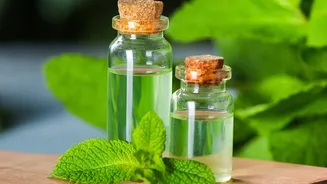
There are two main ways to infuse oils: cold and hot. Cold infusion takes longer but preserves the most delicate notes. Hot infusion is much faster and is a great starting point. For a simple hot infusion, follow these steps. First, wash and thoroughly pat dry your herb stems. Once they are bone dry, you can lightly bruise them with the back of a knife to help release their essential oils. Next, place a cup of your chosen neutral oil in a small saucepan over low heat. Add the prepared stems. The goal is to warm the oil gently, not to fry the herbs. Heat the oil until it's warm to the touch, around 65°C, but not simmering or smoking. Turn off the heat and let the stems steep in the warm oil until it cools down completely. This allows the flavour to transfer effectively.
Straining and Storing Your Oil
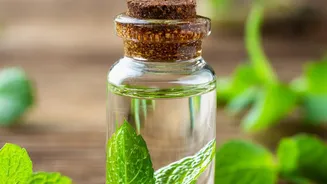
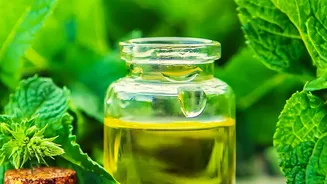
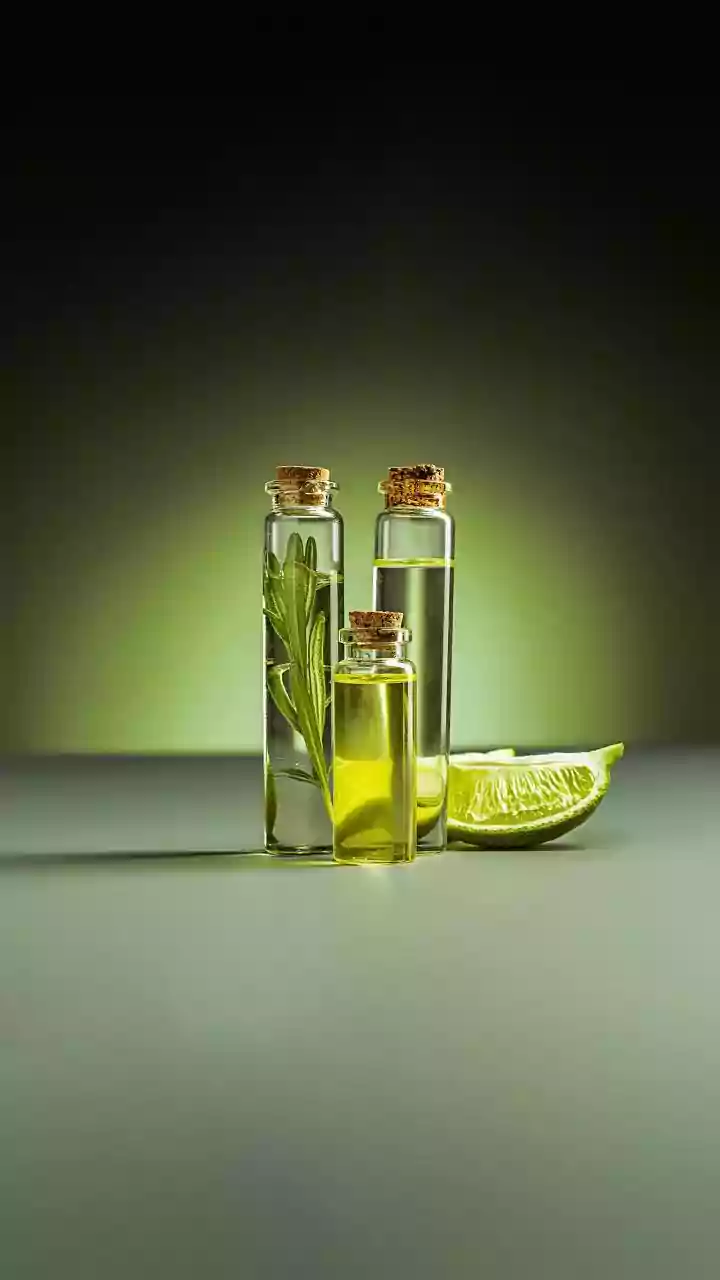
Once the oil has completely cooled, it's time to strain out the stems. Use a fine-mesh sieve or a piece of cheesecloth to ensure you get a clear, clean oil. Pour the finished product into a sterilised, airtight glass bottle. Proper storage is crucial for safety and longevity. Homemade oils infused with fresh ingredients have a shorter shelf life than commercially produced ones because they contain moisture, which can be a breeding ground for bacteria like Clostridium botulinum. To be safe, store your homemade herb oil in the refrigerator and plan to use it within a few weeks. If you used thoroughly dried herbs instead of fresh stems, the oil can last longer, from a few weeks in a cool pantry to a couple of months in the fridge.
Putting Your Infused Oils to Work
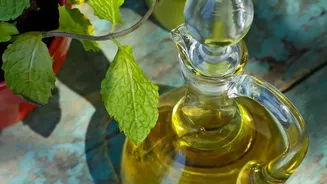
Now for the fun part: using your new culinary creations. The coriander stem oil, with its bright, citrusy notes, is a fantastic finishing oil. Drizzle it over dal, sabzi, or grilled paneer just before serving. It also makes an incredible base for a zesty salad dressing or a marinade for chicken and fish. The mint-infused oil is wonderfully refreshing. Use it to add a new dimension to raita or yoghurt dips. It’s also brilliant when tossed with boiled potatoes, drizzled over roasted vegetables, or used to add a subtle coolness to a fresh kachumber salad. You can even create an herb brush by tying a bundle of stems together and using it to baste foods on the grill. Experiment and see how these simple oils can bring a burst of fresh flavour to your favourite dishes.