




An injury can feel like a major setback, sidelining you from the activities you love. The road to recovery often feels long, but the right exercise can make all the difference. Enter cycling: a powerful, low-impact workout that helps you heal.
The Gentle Giant of Cardio
Unlike high-impact
activities like running or jumping, cycling is exceptionally gentle on your joints. The fluid, circular pedalling motion minimises stress on your knees, hips, and ankles. Because the bike's saddle supports your body weight, your joints are spared from the jarring forces that can aggravate an existing injury or cause a new one. This continuous movement also helps lubricate the joints by encouraging the production of synovial fluid, which can reduce stiffness and improve your range of motion throughout the day. This makes it an ideal starting point for those looking to reintroduce cardiovascular exercise without risking further damage.
Building Strength Without Strain
Recovery isn't just about rest; it's about rebuilding strength. Cycling is particularly effective at strengthening the key muscle groups that support your joints. The pedalling action engages your quadriceps, hamstrings, glutes, and calves. By developing these muscles, you create a stronger support system around vulnerable joints like the knees, which helps to take pressure off the joint itself and can reduce the risk of future strains. This process allows you to build functional strength and stability, crucial components of a successful and lasting recovery.
Your Safe Return to the Saddle
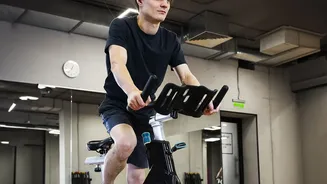
Jumping back into exercise requires a thoughtful approach. Before you begin, it's essential to consult with a doctor or physical therapist to ensure cycling is appropriate for your specific injury. Once cleared, focus on a proper setup. Whether you're on a stationary bike or an outdoor one, correct saddle height and handlebar position are crucial to prevent new strains. Start slowly and with low resistance. A short session of 10-15 minutes is a great initial goal. The key is to gradually increase the duration and intensity of your rides as your body adapts, rather than trying to pick up where you left off.
Indoor vs. Outdoor: Which Is Better for Recovery?
Both stationary and outdoor cycling offer unique benefits for recovery. Indoor cycling provides a highly controlled environment, which is perfect in the early stages of healing. You don't have to worry about uneven terrain, traffic, or sudden stops, allowing you to focus purely on form and consistent effort. Many physical therapists use stationary bikes for rehabilitation for this reason. Outdoor cycling, on the other hand, provides mental health benefits and a change of scenery that can be highly motivating. Many people find a combination works best: using an indoor bike for structured, safe workouts and adding outdoor rides as strength and confidence grow.
Listen to Your Body's Signals
The most important rule during recovery is to listen to your body. It’s normal to feel the gentle strain of muscles working, but you should never push through sharp or increasing pain. A slight discomfort that eases as you warm up might be acceptable, but lingering or worsening pain is a clear sign to stop and rest. Trying to do too much, too soon is a common mistake that can lead to setbacks. Patience is your greatest asset. Recovery is not a linear process, and honouring your body’s need for rest is just as important as the exercise itself. Increase your training load by no more than 10% per week, and always be mindful of how you felt during your last session.