








The Unseen Enemy: Humidity in Urban Kitchens
Humidity is the measure of water vapour in the air. While it's a natural part of our environment, high levels indoors can create significant problems, especially in the kitchen. Urban homes, particularly apartments, are more susceptible to high humidity.
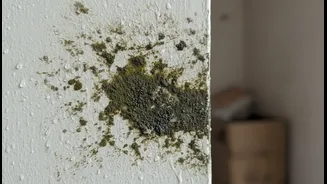
Smaller, compact living spaces with less natural ventilation can trap moisture generated from daily activities like cooking, boiling water, and washing dishes. Kitchen pantries, often enclosed and tucked away, become hotspots for this trapped, moist air. Lacking proper air circulation, these spaces can see humidity levels climb, creating a perfect breeding ground for microscopic organisms that ruin food.
How Moisture Fuels Rapid Food Spoilage
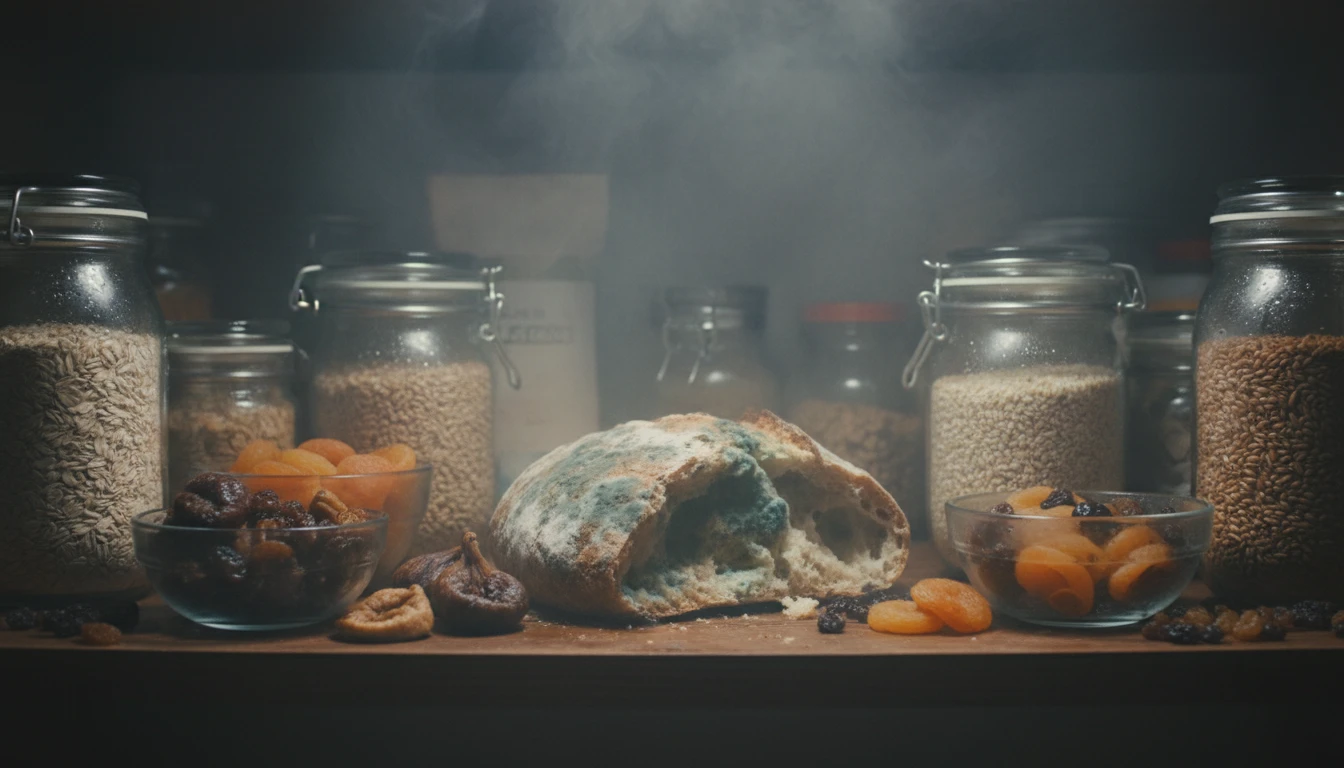
Microorganisms like mould, yeasts, and bacteria need water to survive and multiply. When the relative humidity in your pantry is high, dry goods begin to absorb this ambient moisture from the air. This process turns crisp crackers soggy, causes sugar and spices to clump together, and makes flour more prone to spoilage. But the impact goes beyond texture. This added moisture creates the ideal conditions for mould and bacteria to flourish, leading to rapid food decay and potential health risks. Foods can become unpalatable or even harmful to consume long before their printed expiration dates, leading to unnecessary waste and expense.
Spotting the Telltale Signs of High Humidity
Detecting a humidity problem in your pantry is often straightforward if you know what to look for. One of the most obvious indicators is a persistent musty or damp smell. You might also see visible signs of moisture, such as condensation on cans, jars, or the inside of cabinet walls. Pay attention to your food packaging; paper or cardboard may feel slightly damp or begin to warp or degrade. The clearest sign, of course, is the food itself. If you consistently find clumpy powders, soft biscuits, or premature mould growth on items like bread and cheese, it's a strong signal that your pantry's environment is too moist.
Simple, Low-Cost Dehumidification Strategies
Tackling pantry humidity doesn't have to be complicated or expensive. Start by improving air circulation; if your pantry has a door, consider leaving it ajar periodically or installing a vent. Storing dry goods like flour, sugar, and grains in airtight containers is a crucial first step. For absorbing excess moisture, several DIY solutions are effective. Placing an open box of baking soda, a bowl of rock salt, or even powdered coffee creamer on a shelf can draw moisture out of the air. Activated charcoal bags are another excellent option as they absorb both moisture and odours. Remember to replace these desiccants regularly as they become saturated.
When to Consider a Mechanical Dehumidifier
If you live in a particularly humid climate or if passive methods aren't enough, investing in a dehumidifier might be necessary. For a pantry, you don't need a large, industrial unit. Small, compact, and rechargeable dehumidifiers are designed specifically for small spaces like cupboards and closets. These devices work by drawing in air, cooling it to condense the moisture, and collecting the water. Some experts recommend using a dehumidifier if your pantry's humidity consistently stays above 55-60%, the level where mould growth accelerates. A simple tool called a hygrometer can help you monitor the humidity levels accurately to decide if this step is right for you.