

The Science of Gentle Heat
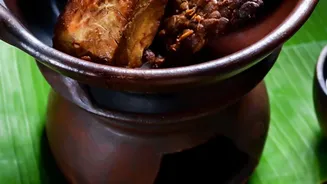
The magic of clay pot cooking begins with the material itself. Clay is naturally porous, a quality that sets it apart from metal cookware. When a clay pot is heated, its tiny pores allow for the slow and even distribution of heat. Instead of aggressive
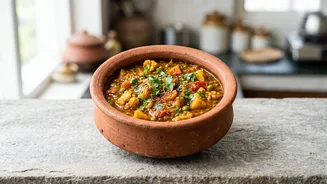
hot spots that can scorch food and create uneven textures, the pot provides a gentle, consistent warmth. This process also allows for constant circulation of moisture and steam within the vessel. As a result, food cooks in its own juices, preserving its delicate structure. Vegetables remain tender-crisp, and meats become succulent without drying out. This slow-cooking method prevents the breakdown of muscle proteins and collagen too quickly, keeping dishes juicy and tender for longer.
Locking in Flavour and Nutrients
That same slow, moist cooking environment is also key to preserving the nutritional value of your food. High-heat cooking in metal pans can destroy sensitive vitamins and minerals. The gentle heat of a clay pot, however, helps retain these essential nutrients. Furthermore, clay has a naturally alkaline pH. This property allows it to interact with and neutralize the acidity in certain foods, such as tomatoes or tamarind. This not only makes the food easier to digest but also subtly balances and enhances its flavour, often lending a natural sweetness. The porous nature of the pot also imparts a unique, subtle earthiness to dishes, a flavour impossible to replicate with any other cookware.
A Taste of Indian Heritage
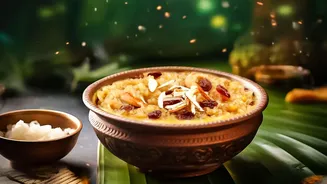
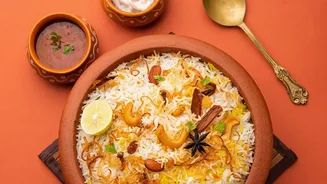
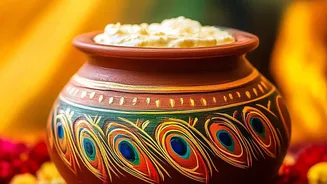
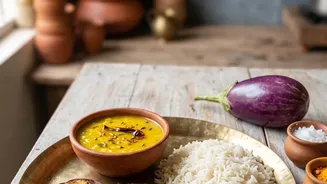
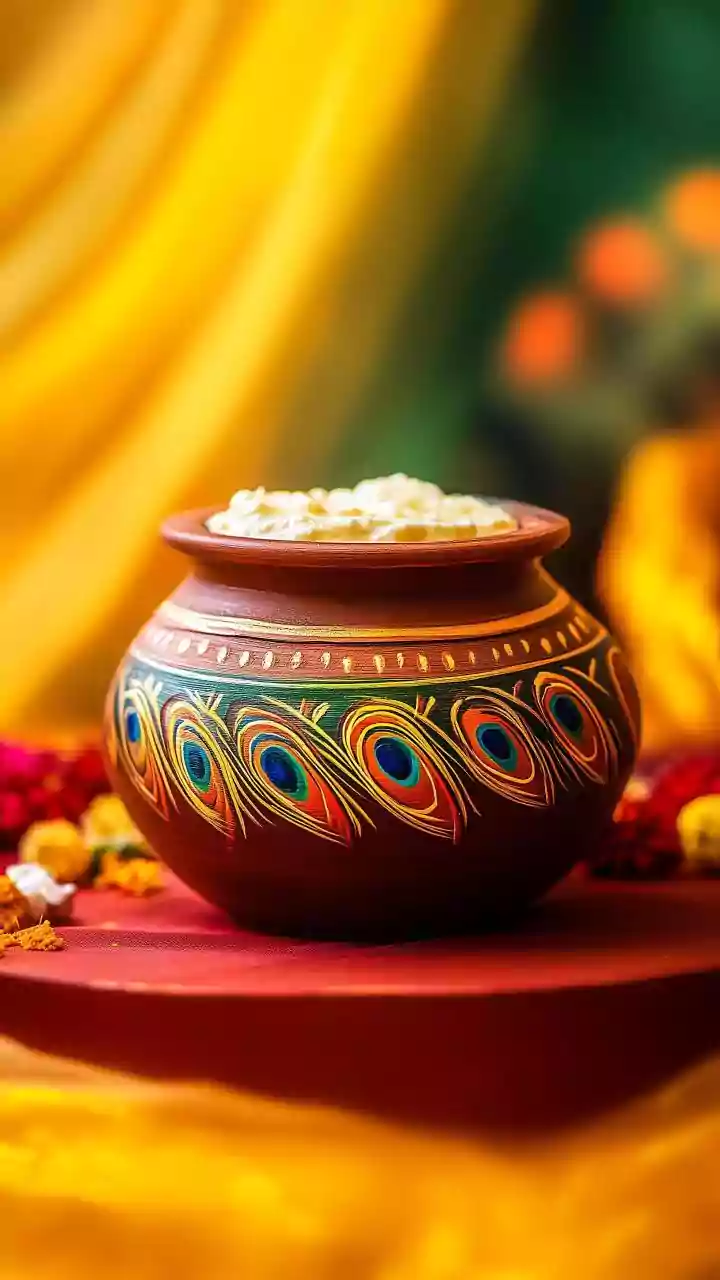
Across India, clay pot cooking is deeply woven into our culinary heritage. From the 'sarson ka saag' simmered in a Punjabi 'taudi' to a Goan fish curry in a 'kundlem', different regions have their own specialized earthenware. Perhaps the most famous example is the Hyderabadi 'dum biryani', where sealing a 'handi' with dough allows the rice and meat to slowly absorb the spices, creating an unmatched depth of aroma and flavour. Even simple daily preparations, like setting 'dahi' or brewing 'chai' in a 'kulhad', are elevated by the use of clay. This connection to tradition is about more than just taste; it’s about experiencing food prepared in a way that has been passed down through generations.
An Eco-Conscious Kitchen Choice
Choosing to cook with clay is also a step towards a more sustainable lifestyle. Unlike mass-produced metal or coated non-stick pans, which can release chemicals and have a significant environmental footprint, clay pots are entirely natural and non-toxic. Made from the earth, they are biodegradable and can be disposed of without harming the environment. By using clay cookware, you are also supporting local artisans who have been perfecting this craft for centuries. This method often requires less oil due to the pot's natural moisture retention, making meals healthier. It is a return to a simpler, more mindful way of cooking that is kinder to both our bodies and the planet.