

The Moon's Monthly Journey
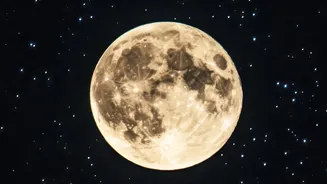
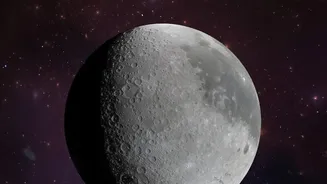
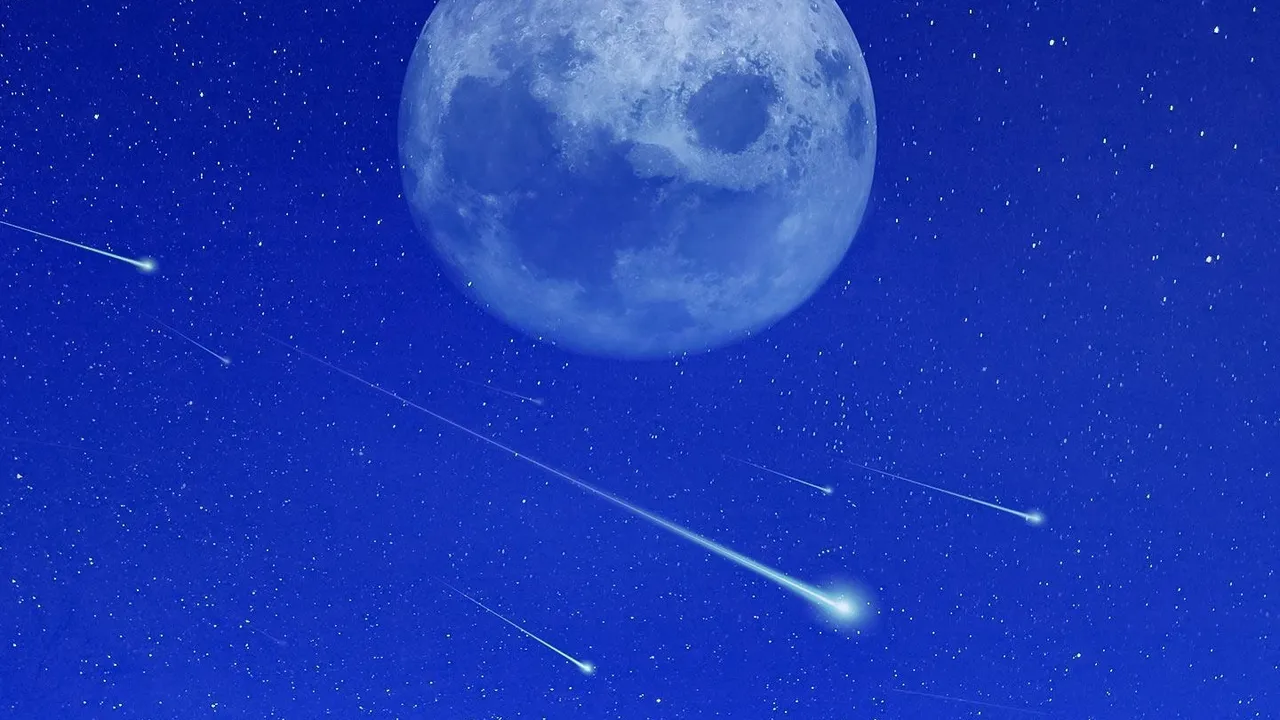
The Moon is a constant and reliable celestial companion, and its phases are a highlight for any skywatcher. September begins with a waning moon leading to the Last Quarter on September 4. The sky will be at its darkest around the New Moon on September 10-11,
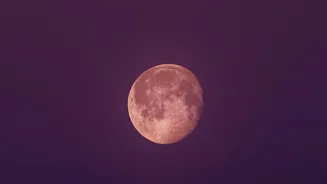
providing a perfect window for spotting fainter objects like galaxies and star clusters. The Moon then returns to the evening sky, reaching its First Quarter on September 18. The main event is the Full Harvest Moon on September 26. This is the full moon that falls closest to the autumnal equinox, and it will rise around sunset, appearing large and golden on the horizon. In India, the Moon will reach its peak illumination at 10:19 pm IST.
A Dazzling Parade of Planets
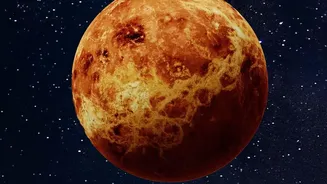
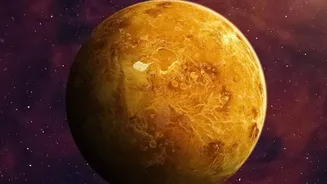
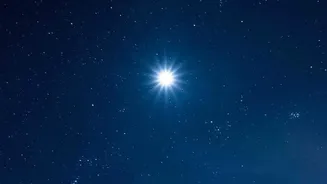
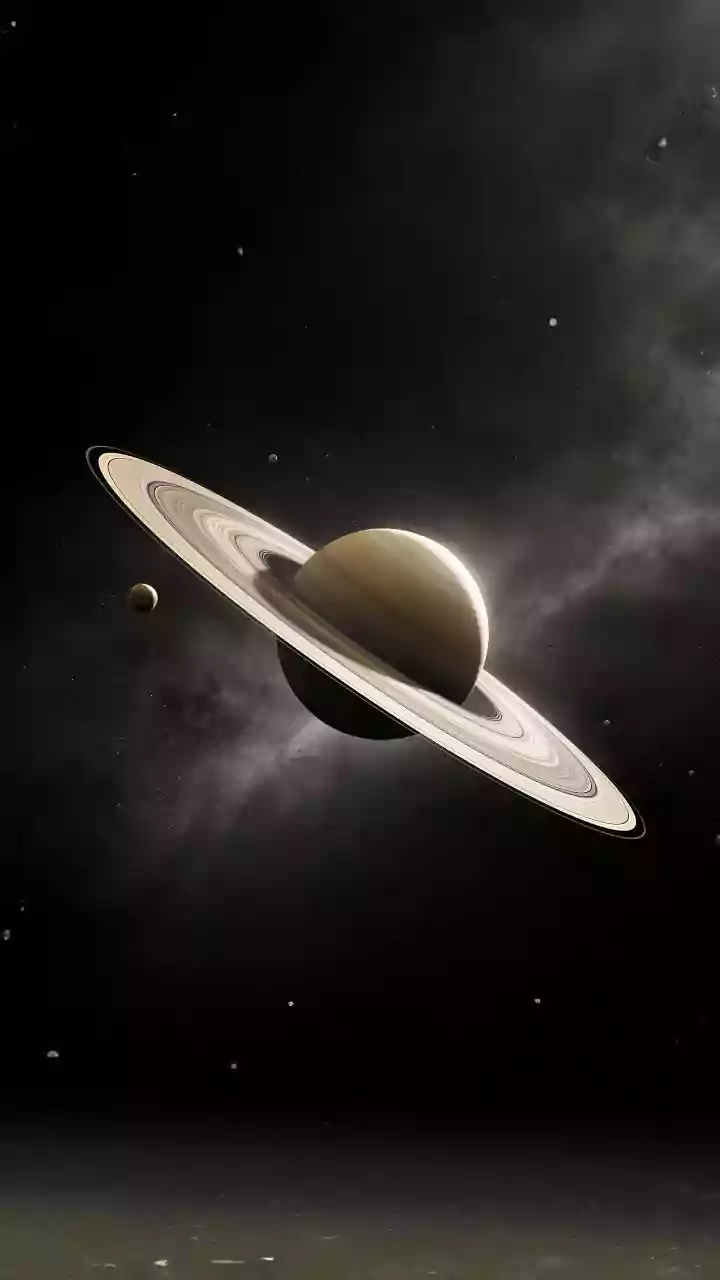
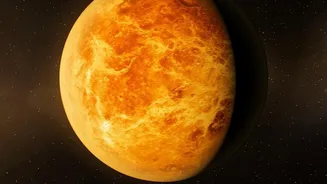
September offers a fantastic lineup of planets for both early birds and evening observers. Venus will be the star of the evening sky, shining brilliantly in the west just after sunset. It reaches its greatest brilliancy on September 18, making it impossible to miss. Early risers should look to the east before dawn to find Jupiter and Mars. Bright white Jupiter will dominate the pre-dawn sky, while reddish Mars gets progressively brighter throughout the month. Not to be left out, yellowish Saturn rises in the east around sunset and will be visible for most of the night, shining steadily among the stars of Pisces. Mercury, however, will be very difficult to spot this month as it remains close to the Sun's glare.
Key Celestial Meetups
Some of the most beautiful sights occur when celestial objects appear close together. The pre-dawn hours of early September feature some lovely pairings. On September 6, the waning crescent Moon will pass near Mars. Just two mornings later, on September 8, the Moon will have a much closer and more striking encounter with the much brighter Jupiter. In the evening, mark your calendar for September 14, when a slender waxing crescent Moon will appear very close to the dazzling planet Venus, creating a stunning photo opportunity in the western twilight.
Neptune at Its Best
For those with a telescope or a good pair of binoculars, late September brings the best chance all year to spot the solar system's most distant planet. Neptune reaches opposition on September 25-26, meaning Earth is directly between it and the Sun. On this night, the ice giant will be at its closest and brightest for the year. Even so, it will appear as a small, blue-grey disc or a faint star-like point of light in the constellation Pisces, not far from the much brighter Saturn. Its brightness on this night will be outshone by the Full Harvest Moon, but it remains a rewarding challenge for dedicated observers.
A Change of Seasons
September also marks a significant seasonal shift for the planet. The Autumnal Equinox occurs on September 22-23. At this moment, the Sun crosses the celestial equator, heading south. This event marks the official start of autumn in the Northern Hemisphere and spring in the Southern Hemisphere. Following the equinox, nights in the Northern Hemisphere will become longer than the days. While we often think of the equinox as having equal day and night, this isn't strictly true due to atmospheric effects; that day, known as the equilux, often occurs a few days later.