

The Powerhouse Duo: Til and Gur
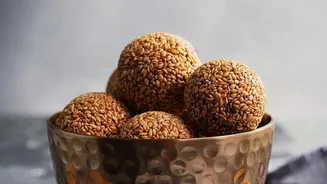
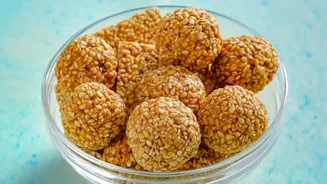
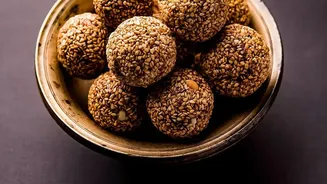
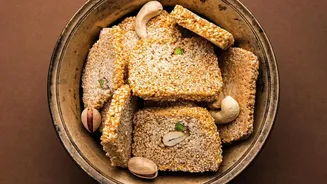
The combination of 'til' (sesame seeds) and 'gur' (jaggery) is a cornerstone of Indian winter cuisine for good reason. According to Ayurvedic tradition, both ingredients are considered 'ushna', or heat-producing. Sesame seeds are packed with healthy oils
and fats that help generate and retain body warmth, keeping the internal temperature stable against the cold. They are also a fantastic source of plant-based protein, calcium, and magnesium, which support bone health and provide sustained energy. Jaggery, an unrefined sweetener derived from sugarcane, offers a quick energy boost. Unlike refined sugar, it retains minerals like iron, which helps prevent anaemia, and it aids digestion, a welcome benefit when the body's metabolism naturally slows in colder months. Together, they create a nutritionally dense superfood that keeps you warm, energised, and nourished.
A Festival Favourite
The significance of til and gur extends beyond nutrition; it is deeply woven into the cultural fabric of winter festivals, most notably Makar Sankranti. This harvest festival marks the sun's northward journey, signalling the end of peak winter and the promise of longer days. In Maharashtra, the celebration is synonymous with exchanging Til-Gur laddoos while saying, 'Til-gul ghya, goad goad bola,' which translates to 'Take this sesame and jaggery and speak sweet words'. This beautiful tradition symbolises letting go of past grievances and fostering goodwill, mirroring the changing season with a social and personal renewal. These sweets aren't just for festivals; their long shelf life makes them a practical staple to have on hand throughout the winter.
Beyond Til-Gur: India's Winter Pantry
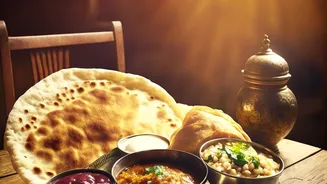
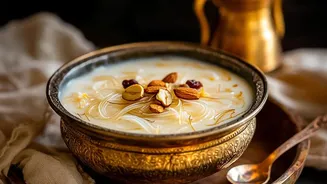
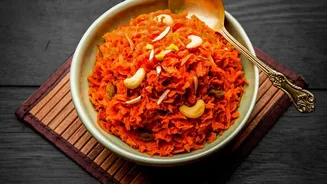
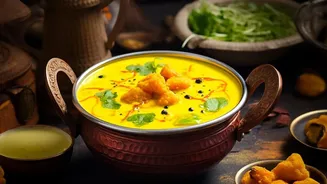
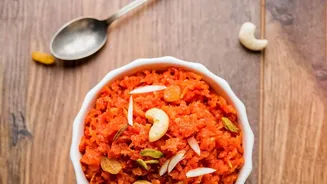
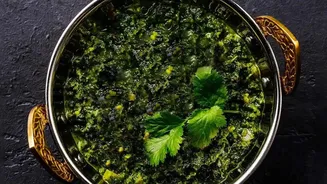
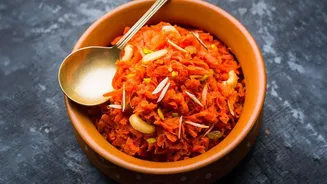
While Til-Gur is a star, the Indian winter kitchen is filled with a rich variety of dishes designed to provide warmth and comfort. One of the most iconic savoury meals is 'Sarson da Saag' with 'Makki di Roti' from Punjab, a hearty dish of mustard greens served with corn flatbread, traditionally topped with a generous dollop of ghee. Another beloved classic is 'Gajar ka Halwa', a decadent dessert made by slow-cooking grated carrots in milk, sugar, and ghee until it becomes a rich, fragrant pudding. 'Gond ke Laddoo', made from edible gum, whole wheat flour, ghee, and nuts, are powerful energy boosters. Often given to new mothers for recovery, they are widely consumed in winter by all for their warming properties. Similarly, 'Panjiri', a crumbly mixture of whole-wheat flour, nuts, seeds, and ghee, is a nutritional powerhouse eaten to ward off colds and boost immunity.
The Ancient Wisdom of Cravings
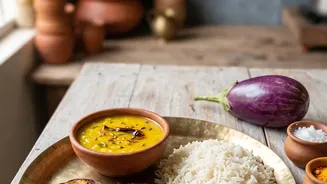
There's a scientific and logical reason behind our craving for these rich, sweet, and fatty foods in winter. As temperatures drop, the body's digestive fire, or 'Agni' in Ayurveda, is believed to become stronger. The body works harder to maintain its core temperature, which requires more energy. This physiological need translates into cravings for calorie-dense foods that provide fuel for heat generation and create an insulating layer of fat. Traditional winter recipes are a testament to this ancient wisdom, perfectly aligning with the body's seasonal needs. Ingredients like ghee, root vegetables, whole grains like bajra, and warming spices like ginger and turmeric are all chosen for their ability to nourish the body, support digestion, and provide comfort during the coldest months of the year.