







The Problem with Disposable Ponchos
They are a symbol of convenience: the cheap, transparent plastic ponchos pulled out during sudden downpours at events or on city streets. While practical for a moment, their environmental cost is significant. Made from materials like polyethylene, these
single-use items are difficult to recycle because they are often contaminated after use and can tangle in machinery. Most end up in landfills, where they contribute to plastic pollution by breaking down into harmful microplastics over hundreds of years. This cycle of buying, using for a few hours, and discarding contributes massively to plastic waste, a problem gaining significant attention as consumer awareness grows.
A Shift in Consumer Mindset
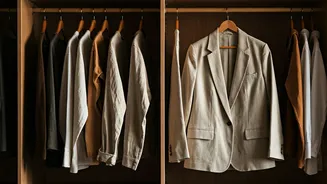
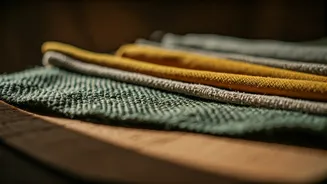
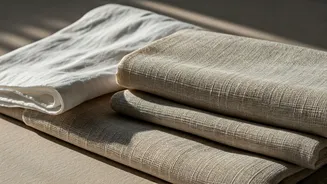
The move towards reusable rain gear is part of a larger trend in India and globally towards conscious consumption. Consumers are increasingly prioritising quality, durability, and ethical production over the fleeting appeal of fast fashion and single-use products. This 'buy less, buy better' philosophy is driving demand for items that are not only functional but also align with personal values. The conversation is shifting from temporary convenience to long-term value and environmental responsibility. In fashion, this is seen in the revival of traditional handloom fabrics and a move towards minimalist, timeless wardrobes.
What Makes Rain Gear Sustainable?
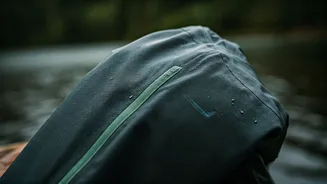
Modern sustainable rainwear is a showcase of material innovation. Many brands now use fabrics made from recycled materials, such as rPET, which is derived from used plastic bottles. This process reduces waste and has a smaller carbon footprint than producing virgin synthetics. Another major focus is the move away from per- and polyfluoroalkyl substances (PFAS), often called 'forever chemicals'. These have traditionally been used for water-repellent coatings but are being phased out due to environmental and health concerns. Brands are now using PFC-free finishes and developing novel materials, like tightly woven organic cottons or bio-based membranes, that offer waterproofing without the harmful chemicals.
More Than Just Eco-Friendly
The appeal of high-quality rainwear extends beyond its green credentials. Durability is a key factor; a well-made jacket will last for many seasons, making it more cost-effective in the long run than repeatedly buying disposable ponchos. Performance is another major advantage. Technical fabrics used in modern raincoats offer superior waterproofing and breathability, keeping you dry and comfortable in heavy rain in a way flimsy plastic cannot. Furthermore, these pieces are designed with style and functionality in mind, featuring adjustable hoods, sealed seams, and versatile designs that work just as well on a city commute as on a weekend hike.
How to Choose a Better Jacket
When shopping for sustainable rain gear, look for transparency. Brands committed to sustainability are often vocal about their materials and production processes. Look for labels like 'PFC-free', 'recycled materials', and certifications such as bluesign® or Fair Trade. Brands like Patagonia, Cotopaxi, and others are becoming known for their commitment to eco-friendly practices, including using recycled fabrics and ensuring ethical production. Investing in a jacket from a reputable brand known for quality ensures the product will not only be better for the planet but will also perform reliably for years to come.