

The Monsoon Wildlife Dilemma
Every year, as the monsoon rains sweep across India from roughly June to September, many of the country's premier national parks and tiger reserves announce their annual closure. This is not arbitrary; the practice is essential for both ecological and safety
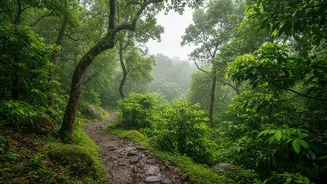
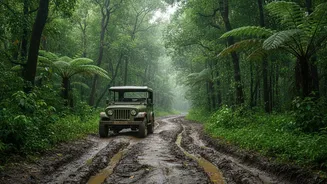
reasons. The monsoon is a critical breeding season for many species, and closing parks minimises human disturbance, allowing wildlife to raise their young in peace. Furthermore, the heavy rains make forest tracks and trails impassable or dangerously slippery, posing risks to both visitors and park staff. The seasonal shutdown also gives the forest ecosystem a chance to regenerate and allows authorities to carry out essential maintenance on roads and infrastructure before the peak tourist season resumes in October.
Core vs. Buffer Zones Explained
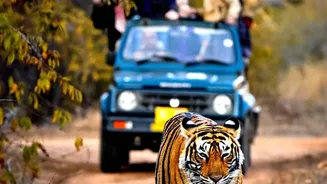
Here is where the confusion for travellers begins. A national park is not a single, uniform area. Most are divided into at least two types of areas: core and buffer zones. The core zone is the heart of the park, a highly protected area where conservation is the absolute priority. These are typically the zones that close completely during the monsoon. Ranthambore, for example, closes its popular core zones 1-5 from July to September. The buffer zone, on the other hand, is an area surrounding the core. While still part of the reserve, it allows for more managed human activity, including tourism. Many parks keep some of their buffer zones open for safaris year-round, weather permitting. This partial availability is a fantastic opportunity for monsoon travel, but it's also the source of potential booking errors.
The Pitfall of Partial Openings
The problem arises when travellers, unaware of the distinction between zones, book a safari or accommodation based on the general knowledge that a park is 'open'. For instance, while the main tourism zones of Jim Corbett National Park close, zones like Jhirna and Dhela often remain accessible. A visitor might book a hotel near a closed gate, assuming the whole park is accessible, only to discover their intended safari zone is off-limits. Third-party booking websites can sometimes add to the confusion, offering packages without specifying which zones are operational. They may not have real-time information from the forest departments, leading to bookings for safaris that cannot happen. This makes it absolutely essential for the traveller to take charge of their own research.
How to Find Reliable Zone Information
The only foolproof method to avoid disappointment is to rely exclusively on official sources. Before booking flights, hotels, or any tour packages, you must verify the exact opening and closing dates for the specific safari zones you wish to visit. The first step is to identify the official government-run website for the national park. For example, the Madhya Pradesh Forest Department portal manages parks like Kanha and Bandhavgarh, while Corbett has its own official government site. These official websites publish notifications announcing which zones will be open during the monsoon. Look for sections titled 'Announcements', 'Latest Updates', or specific 'Safari Booking' pages. These will provide definitive dates. Match the names of the open zones (e.g., Ranthambore zones 6-10, Corbett's Jhirna zone) with the safari you intend to book.
Your Pre-Booking Checklist
To ensure your monsoon wildlife adventure goes smoothly, follow these steps in order: 1. Identify Your Target Park: Choose the national park you wish to visit. 2. Find the Official Website: Use a search engine to find the official government forest department or park website. Be wary of sites with similar names that are actually private tour operators. 3. Check Monsoon Notifications: Locate the official notice regarding monsoon season operations. Note the exact names or numbers of the zones that are confirmed to be open. 4. Book Your Safari: Use the official booking portal on the government site to book your safari for the specific open zone you've identified. 5. Book Accommodation Last: Only after you have a confirmed safari booking in an open zone should you book your hotel, choosing one that is conveniently located for accessing that specific entry gate. This simple sequence protects you from wasting money and ensures your trip is built on a foundation of confirmed access.