


Hanle, Ladakh: India's Premier Dark Sky Reserve
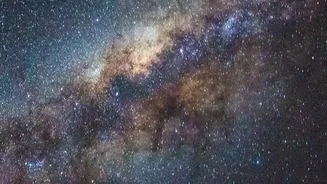
For the ultimate stargazing experience, look no further than Hanle in Ladakh. Designated as India's first-ever Dark Sky Reserve, this high-altitude cold desert offers some of the clearest and darkest skies on the planet. Located at 4,500 metres within
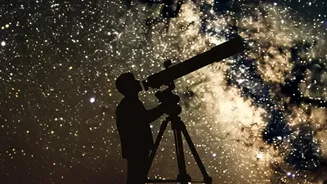
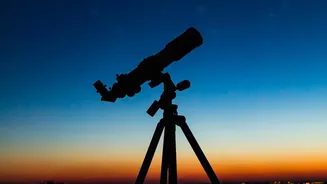
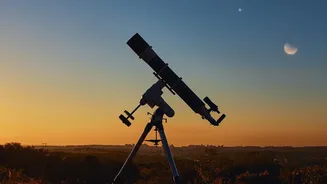
the Changthang Wildlife Sanctuary, the area has minimal light pollution, bone-dry air, and pristine atmospheric conditions. This makes it the location of the Indian Astronomical Observatory. Visitors can expect to see the Milky Way in overwhelming detail, along with distant galaxies and constellations. Local villagers, trained as astronomy ambassadors, guide visitors using telescopes, making the experience both educational and awe-inspiring. The best time to visit is from May to September for milder weather, though the winter offers even sharper views for those who can brave the cold.
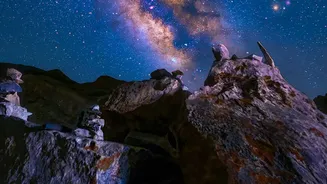
Spiti Valley, Himachal Pradesh: A Himalayan Celestial Theatre
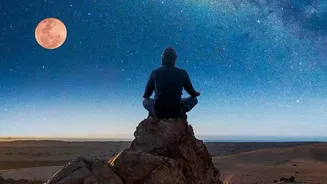
Often called a 'world within a world', Spiti Valley is a cold desert mountain valley that transforms into an astronomer's paradise after sunset. Its remote villages like Kibber, Kaza, and Langza sit at altitudes over 4,000 metres, far from any urban glow. The result is a crystal-clear window to the cosmos. During the summer months, from May to October, the core of the Milky Way is brilliantly visible. The valley's dry climate and high elevation reduce atmospheric distortion, making stars appear exceptionally bright and close. This destination is perfect for astrophotographers and travellers looking to combine adventure with profound celestial views. For the clearest skies, plan your trip around a new moon.
Rann of Kutch, Gujarat: Stars Over a Salt Desert
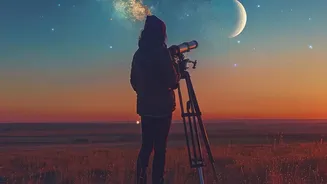
The Great Rann of Kutch offers a surreal stargazing experience. This vast salt marsh in Gujarat is one of the darkest places in India, with a flat, unobstructed horizon that provides a 180-degree view of the night sky. During the Rann Utsav festival, typically held from November to February, the conditions are ideal. The dry winter air ensures maximum clarity. On new moon nights, the sky is a dense carpet of stars, perfect for spotting constellations and the Milky Way. On full moon nights, the desert floor glows, creating a magical, ethereal landscape. Many desert camps offer guided astronomy sessions and telescopes, blending cultural experiences with cosmic wonder.
Coorg, Karnataka: Coffee, Hills, and Constellations
Proving that you don't need a desert or high-altitude peak for great stargazing, Coorg in the Western Ghats offers its own unique charm. Known for its lush coffee plantations and misty hills, the region's distance from major cities provides surprisingly dark skies, especially in winter when humidity is low. Many eco-lodges and homestays are set in remote areas with minimal light interference, making them perfect for a quiet night of observation. Some even host dedicated astronomy tours and provide telescopes. Imagine sipping on freshly brewed coffee while watching Orion climb across the sky—a truly serene and memorable experience.
Neil Island, Andaman and Nicobar: A Tropical Starry Escape
For those who dream of stargazing by the sea, Neil Island (Shaheed Dweep) is an idyllic choice. Its remote location in the Bay of Bengal means it is almost completely free of light pollution, offering pristine dark skies over the ocean. The island's quiet, undeveloped beaches like Sitapur and Laxmanpur provide wide, open horizons perfect for watching the celestial show. The best time to visit is between November and April, when the weather is dry and the skies are consistently clear. The sound of gentle waves paired with a sky full of stars creates a deeply tranquil and romantic atmosphere, making it a standout destination for a peaceful cosmic connection.
Kausani, Uttarakhand: The Himalayas' Starry Window
Often called the 'Switzerland of India', Kausani is a hill station in Uttarakhand that offers not only panoramic views of Himalayan peaks like Nanda Devi and Trishul but also magnificent night skies. Its high altitude and clean mountain air create excellent conditions for stargazing. The area is home to private observatories where visitors can join guided sessions with expert astronomers, using powerful telescopes to explore planets, nebulae, and star clusters. The best viewing season is from October to March when the post-monsoon skies are exceptionally clear. It’s an ideal spot for families and beginners who want an accessible yet impressive introduction to astronomy.