




The Unbeatable Big Screen Experience
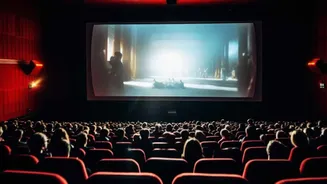
Despite the convenience of streaming, the magic of the cinema is far from over. In fact, the Indian box office has seen a significant revival, with the first half of 2026 delivering record-breaking collections. The key driver is the demand for 'event
films'—large-scale spectacles that are made for the big screen. Movies with stunning visual effects, high-octane action, and incredible sound design convince audiences that the ticket price is worth the unparalleled immersive experience. This trend is particularly strong among younger audiences, with viewers under 30 accounting for over half of Hindi box office revenues. For this demographic, the 'first day, first show' is a cherished ritual, a communal experience that streaming at home simply cannot replicate.
The Smart Economics of Streaming
On the other side of the coin is the undeniable appeal of Over-the-Top (OTT) platforms. The primary drivers here are cost and convenience. A single trip to a multiplex for a family can be a significant expense, with ticket prices in metros sometimes costing more than an entire year's subscription to a streaming service. For the price of one premium movie ticket, a viewer can access a vast library of films and series. This economic reality makes streaming the default choice for routine entertainment. OTT platforms have become the go-to for a wide variety of content, especially regional and niche stories that might not get a wide theatrical release. This shift allows viewers to be more selective about which films warrant a trip to the cinema.
Content Now Dictates the Platform
The modern Indian viewer makes a simple calculation: is this story big enough for the big screen? Today, content is king, and it decides its own kingdom. Audiences are increasingly willing to wait for smaller, story-driven films or dramas to arrive on OTT, often just a few weeks after their theatrical debut. However, for a true blockbuster or a visually grand epic, the theatre remains the premier destination. This has forced filmmakers and studios to think strategically. Production houses now create content specifically for different platforms, with high-concept, larger-than-life films aimed at cinemas and more experimental or character-focused narratives developed for streaming. The result is a more diverse and balanced entertainment ecosystem, where both mediums play to their strengths.
A More Empowered and Selective Audience
The proliferation of digital platforms has fundamentally changed viewing habits. Audiences are no longer passive consumers; they are active curators of their entertainment. They are more discerning, often relying on reviews and word-of-mouth before committing their time and money to a theatrical outing. The quality of content has become a crucial factor, with viewers showing a preference for fresh concepts over predictable plots. This savviness extends to their platform choices. The same person who flocks to a theatre for a superhero epic will happily binge-watch a regional language web series on their smartphone. This fluid movement is not a sign of cinema's decline but rather an indication of a mature market where consumers hold the power.