



How Plants 'Breathe' and Drink
To understand the humidity puzzle, we first need to look at how plants use water. It's a process called transpiration. Think of it as a plant's way of breathing and sweating. Plants pull water up from their roots, through their stems, and to their leaves.
This water carries essential nutrients from the soil. Once in the leaves, tiny pores called stomata open to release water vapour into the air. This release creates a continuous upward pull, like a straw, ensuring the plant stays hydrated and nourished. In dry conditions, this process happens quickly, and the plant loses a lot of water to the atmosphere, which is why they get thirsty faster on a dry, hot day.
When Humidity Hits the Brakes
High humidity changes everything. When the air around a plant is already saturated with moisture, there's less of a 'pull' from the atmosphere. The gradient between the moisture inside the leaf and the moisture in the air is much smaller, so transpiration slows down dramatically. Because the plant isn't losing water as quickly through its leaves, it also doesn't need to draw as much water from the soil. If you continue to water it daily, the soil stays saturated because the plant simply isn't using the water at the same rate. This is especially true during the monsoon season in India, where both indoor and outdoor humidity levels skyrocket.
The Dangers of a Daily Drench
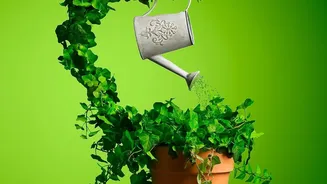
Consistently watering a plant that doesn't need it leads to one of the most common plant-killer mistakes: overwatering. When soil is constantly soggy, it becomes waterlogged, cutting off oxygen supply to the roots. This creates a perfect environment for root rot, a fungal disease that turns healthy roots into a brown, mushy mess. Signs of overwatering often mimic underwatering, which can be confusing. You might see wilting, yellowing leaves, or leaf drop. Other tell-tale signs include a musty smell from the soil, the appearance of fungus or mould on the soil surface, and pesky fungus gnats that thrive in moist conditions.
The Finger Test and Other Checks
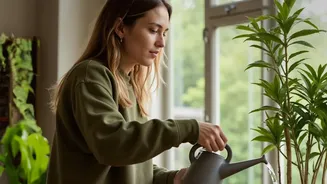
So, how do you know when to water? Ditch the rigid schedule and learn to read your plant's needs. The most reliable method is the finger test: stick your finger about two inches into the soil. If it feels dry at that depth, it's time to water. If it feels moist, wait another day or two and check again. For smaller pots, you can also use the weight test. Get a feel for how heavy the pot is right after watering versus when it's dry. A light pot usually means dry soil. You can also use a simple wooden chopstick or skewer; if it comes out clean and dry after being inserted into the soil, the plant is likely thirsty.
Not All Plants Are Created Equal
Remember that different plants have different needs. Tropical plants, like ferns and calatheas, generally appreciate higher humidity and consistently moist (but not soggy) soil. On the other hand, succulents and cacti have adapted to arid conditions and are extremely susceptible to rot if overwatered, especially in humid weather. They store water in their leaves and prefer their soil to dry out completely between waterings. Pay attention to where your plant originally came from. A plant native to a rainforest will have vastly different humidity and water preferences than one from a desert. Observing your specific plant is always the best strategy.