





An Accidental Experiment
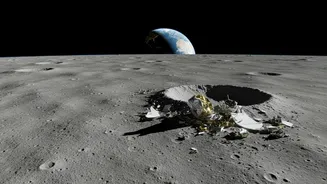
On August 5, 2026, a four-tonne upper stage of a SpaceX Falcon 9 rocket concluded its 18-month journey through space by slamming into the Moon. The rocket part, left drifting after launching two lunar landers in January 2025, wasn't meant to hit the Moon. Its
trajectory was gradually altered by a combination of gravity and solar activity, eventually putting it on a collision course that astronomers had been tracking for months. Traveling at over 8,700 km/h, the rocket slammed into the surface near a formation known as Einstein Crater. While human-made objects have hit the Moon before—some intentionally during the Apollo era—this accidental impact provides a unique, real-world experiment for planetary scientists.
Creating a Crater for Science
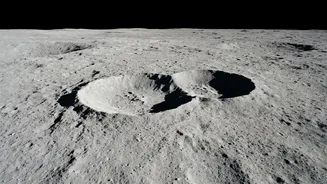
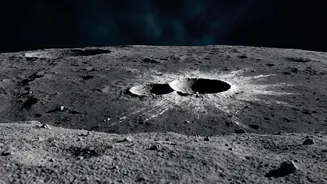
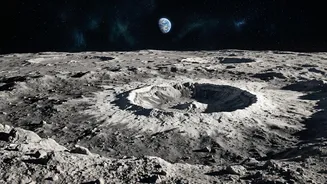
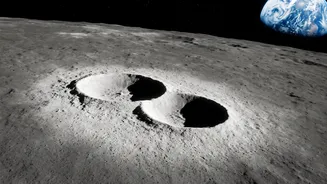
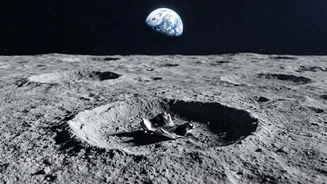
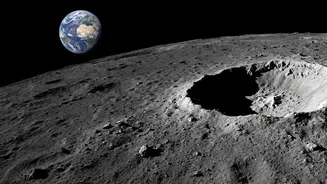
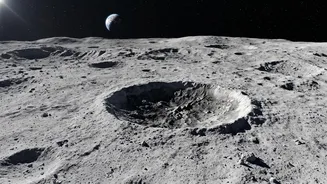
The impact carved a brand-new crater, estimated to be about 60 to 100 feet wide. While the Moon is constantly being hit by meteoroids, it's rare for scientists to know the precise details of the impacting object—its size, speed, and trajectory. Because the Falcon 9 stage was well-documented, this collision offers a perfect test case. Scientists can study the resulting crater and compare it to their impact models. This helps refine our understanding of crater formation, which is crucial for interpreting the Moon's long history of being bombarded by objects over billions of years. Before-and-after imagery from orbiters like NASA's Lunar Reconnaissance Orbiter is being eagerly awaited to analyze the fresh scar on the surface.
Peeking Beneath the Surface
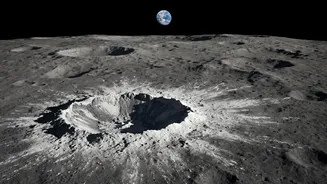
Perhaps the most valuable part of the collision is the material it kicked up. The impact created a massive plume of dust and rock—known as ejecta—blasting material out from beneath the lunar topsoil. This is like getting a free geological drill sample. The Moon’s surface has been weathered by billions of years of solar radiation, but the material just a few feet below is relatively pristine. By analyzing the composition of this ejecta plume with telescopes and orbiting spacecraft, scientists can learn about the makeup of the Moon's subsurface. Observers confirmed they detected a plume of sodium and lithium gas lasting for several minutes after the impact, providing immediate data on the material excavated by the crash.
Lessons for Future Exploration
This unintended experiment holds important lessons for humanity’s return to the Moon. Understanding how impacts scatter debris is critical for ensuring the safety of future astronauts and lunar bases. Researchers estimated that rocky material could have been thrown as far as 800 kilometers from the impact site, posing a significant threat to any nearby infrastructure. The event also highlights the growing challenge of space debris, not just around Earth, but in the lunar environment as well. This crash provides valuable data that can help in designing safer spacecraft and habitats and developing better protocols for tracking and disposing of space junk as lunar traffic increases.