




The Legend of Royal Regimens
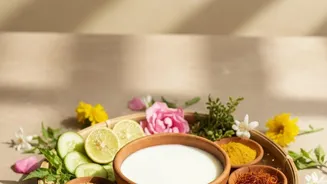
The narrative is powerful: Indian queens in their opulent palaces, using secret formulations of herbs and oils to achieve timeless beauty. History confirms that these rituals were very real. From the Rajput queens of Rajasthan using saffron-infused milk
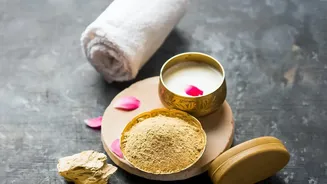
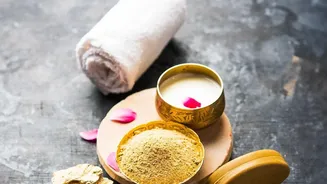
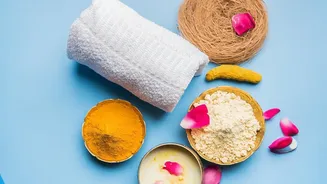
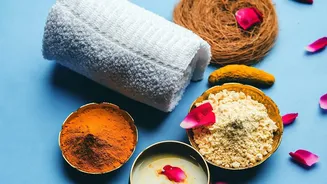
to combat the dry desert climate to the royals of Kerala who relied on coconut oil and wild turmeric, regional traditions were highly developed. Mughal empress Nur Jahan was famously so fond of roses that she is credited with popularizing rose water and discovering rose oil during her elaborate baths. These practices were not just about vanity; they were a form of holistic wellness rooted in Ayurveda, using local, natural ingredients to protect and nourish the skin against the elements. These regimens were based on slow, consistent care, using fresh pastes and oils like 'ubtan'—a blend of chickpea flour, turmeric, and sandalwood—for exfoliation and radiance.
From Palace to Product: Key Ingredients
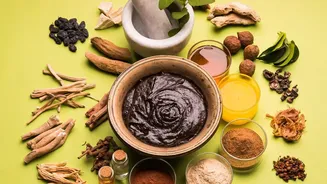
Many ingredients central to these royal rituals are now the heroes of modern Ayurvedic products. Turmeric, saffron, and sandalwood are often called the 'holy trinity' of Ayurvedic skincare. Turmeric is known for its anti-inflammatory properties that can help calm acne and brighten skin. Saffron is prized for its ability to improve complexion and reduce the appearance of dark spots. Sandalwood provides a cooling, soothing effect, ideal for irritated or sun-exposed skin. Other staples included rose water, a natural toner popularized by Mughal royalty, and potent herbal oils like Kumkumadi Thailam, an elixir of saffron, sandalwood and other herbs used for pigmentation and a youthful glow. These ingredients have been used for centuries, forming the bedrock of traditional formulations.
Myth vs. Reality: Decoding Modern Claims
While the historical basis is strong, the modern beauty industry often uses terms like 'natural' and 'Ayurvedic' for marketing. One of the biggest myths is that 'natural' automatically means 'safe for everyone'. Plants are chemically complex, and ingredients like certain essential oils or even amla can cause irritation in sensitive individuals, just like any synthetic ingredient can. Another misconception is the expectation of overnight results. Authentic Ayurvedic practice is about gradual, long-term improvement that works with the skin's natural renewal cycle, which takes about four to six weeks. Products promising instant transformation are often making claims that don't align with skin biology or may be using aggressive synthetic actives alongside herbal marketing.
What Do the Experts Say?
Modern dermatology and Ayurveda are increasingly finding common ground. Many dermatologists acknowledge the genuine bioactive properties of Ayurvedic herbs. Scientific studies have identified compounds like curcumin in turmeric, which has measurable anti-inflammatory and antioxidant activity. However, experts also caution that while there are centuries of anecdotal evidence, rigorous, large-scale clinical trials validating many specific skincare claims are still limited. The consensus is often a 'best of both worlds' approach. A dermatologist might recommend combining a proven active ingredient like kojic acid with the anti-inflammatory properties of curcumin (from turmeric) for treating hyperpigmentation. The key divergence remains the standard of evidence: Ayurveda relies on centuries of use, while modern dermatology requires controlled clinical trials.
The Smart Shopper's Guide
So, how do you shop for Ayurvedic beauty products intelligently? First, manage your expectations; real results take time and consistency. Second, always perform a patch test, as even natural products can cause reactions. Look past the 'royal' marketing and examine the ingredient list. A product may be labelled 'Ayurvedic' but contain only tiny amounts of herbal extracts alongside synthetic chemicals. Finally, understand that the true 'secret' of royal beauty rituals may not have been a single magic ingredient, but the ritual itself—the holistic practice of gentle cleansing, nourishment, and mindful self-care. The philosophy emphasizes that true beauty comes from overall balance, not just a topical fix.