






The Vision: Taking Flight for the Common Citizen
At the heart of this transformation is the government's Regional Connectivity Scheme, popularly known as UDAN (Ude Desh ka Aam Nagrik, or 'Let the Common Citizen Fly'). Launched in 2016, its core objective is to make air travel affordable and accessible,
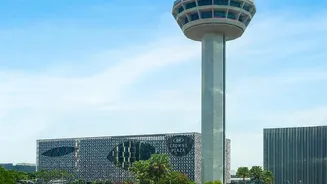
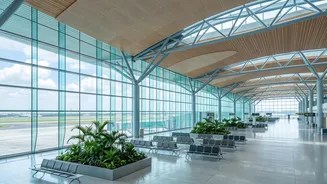
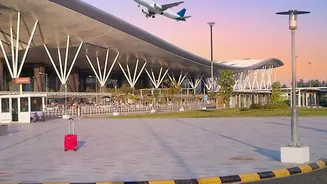
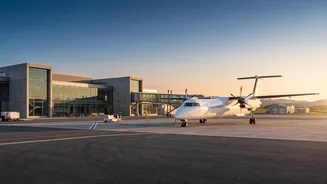
connecting regions that were previously unserved or underserved by aviation. The numbers paint a picture of rapid change: India's operational airport count has surged from 74 in 2014 to 166 in 2026. Building on this, a newly approved 'Modified UDAN' scheme is set to invest nearly ₹30,000 crore to develop 100 new airports over the next decade, from the financial year 2026-27 to 2035-36. This isn't just about building airstrips; it's a strategic push to bring Tier-2 and Tier-3 cities, along with remote and island territories, into the mainstream of national life.
An Economic Engine for Emerging India
The arrival of an airport can fundamentally reshape a local economy. For smaller cities, air connectivity is a powerful catalyst for growth, trade, and tourism. New routes open up markets for local businesses, allowing for the faster movement of goods and enabling professionals to connect with corporate hubs without long, arduous journeys. This improved accessibility makes these towns more attractive for investment, potentially leading to new industries and corporate offices setting up shop outside of the congested metros. Tourism, in particular, receives a significant boost. Destinations with cultural or religious relevance, previously difficult to reach, become viable weekend getaways, driving demand for hotels, transport, and local services. This creates a ripple effect of employment, from airport ground staff to tour guides and hospitality workers.
More Than Just an Airport
The impact of regional airports extends far beyond economic metrics. Socially, they act as bridges, reducing the physical and psychological distance between India's sprawling urban centres and its smaller towns. This enhanced connectivity provides residents of remote areas with quicker access to critical services like advanced healthcare and specialized education, which are often concentrated in larger cities. It can also help counter the trend of migration to overburdened metropolitan areas by creating opportunities and improving the quality of life locally. For a family, a two-hour flight home is a much more manageable proposition than a 24-hour train journey, fostering stronger family ties and a greater sense of national integration.
Navigating the Financial Turbulence
Despite the grand vision, the path has not been without its challenges. The primary hurdle is ensuring the long-term financial viability of these new routes. Many routes are not commercially profitable for airlines on their own, relying on government subsidies, or Viability Gap Funding (VGF), to operate. Past audits have shown that a significant percentage of routes awarded under UDAN either failed to start or ceased operations once the three-year subsidy period ended, raising questions about sustainability. Airlines have struggled with low passenger demand on some routes and high operating costs. Furthermore, developing adequate airport infrastructure, including trained staff and maintenance facilities in remote areas, remains a persistent challenge.
The Path Forward: A Modified Approach
The government appears to have taken these lessons into account with the Modified UDAN scheme. The new phase places a stronger emphasis on sustainability. The plan includes not just developing 100 airports from existing airstrips, but also providing structured operations and maintenance support for over 400 aerodromes for their initial years to help them become self-sufficient. There is also a significant financial allocation to support airlines operating these regional routes over the ten-year period. The strategy also involves strengthening the 'hub-and-spoke' model, where smaller airports feed passengers into larger hubs like Delhi, Ahmedabad, and Varanasi for onward domestic and international journeys, making the entire network more integrated and efficient.