



Choosing between 'whole wheat' and 'refined' can be confusing. What's the real story behind these labels? Let's break down what makes these grains different, why it matters for your health, and how to make smarter choices in your kitchen.
The Anatomy of a Grain
Before we compare,
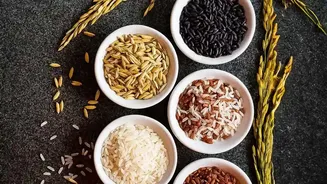
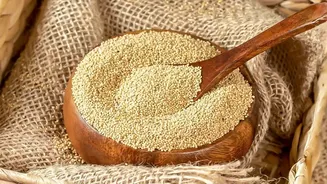
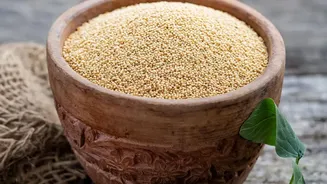
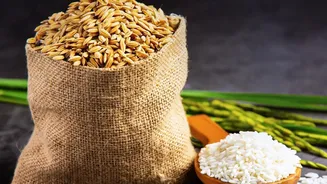
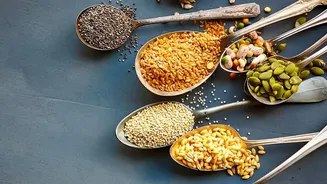
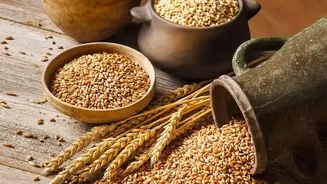
it helps to know what a grain actually is. Every single grain kernel, whether it's wheat, rice, or millet, starts with three edible parts. First, there's the bran, the tough outer layer packed with fibre, B vitamins, and minerals. Next is the germ, the tiny core of the seed that's rich in healthy fats, vitamin E, and antioxidants. Finally, there's the endosperm, the largest part of the kernel, which is mostly starchy carbohydrates and protein, serving as the grain's energy supply. A whole grain is exactly what it sounds like: it contains all three of these parts, just as nature intended.
What Defines a Whole Grain?
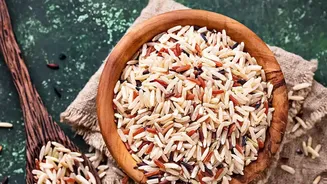
A whole grain simply means the entire grain kernel is used, keeping the bran, germ, and endosperm intact and in their original proportions. This includes grains that are eaten whole, like brown rice and oats, or ground into flour, like whole wheat atta. The key is that nothing significant is stripped away during processing. This complete package provides a powerhouse of nutrients. The fibre from the bran helps with digestion and keeps you feeling full, while the germ provides essential vitamins and healthy fats.
The Story of Refined Grains
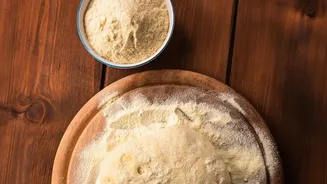
Refined grains, on the other hand, have a different story. The refining process involves milling the grain to remove the bran and the germ. This leaves behind only the starchy endosperm. The most common example in Indian kitchens is the difference between whole wheat atta and maida (refined wheat flour). This process is done for a few reasons: it gives products a finer, softer texture and significantly extends their shelf life because the fats in the germ can go rancid. However, this convenience comes at a nutritional cost. When the bran and germ are removed, about 25% of the grain's protein is lost, along with a huge portion of its fibre, vitamins, and minerals.
The Nutritional Showdown
The nutritional gap between whole and refined grains is significant. The refining process strips away more than half of a grain's B vitamins, 90% of its vitamin E, and almost all of its fibre. While many refined products are 'enriched,' meaning some nutrients like B vitamins and iron are added back, the fibre is rarely replaced. Whole grains are naturally superior, providing crucial nutrients like magnesium, selenium, and iron that are vital for bodily functions. The fibre content in whole grains is a major benefit, aiding digestion, helping to control cholesterol levels, and promoting a feeling of fullness that can help with weight management.
Impact on Your Health
Regularly choosing whole grains over refined ones can have a profound impact on your long-term health. Studies consistently link whole grain consumption to a lower risk of heart disease, type 2 diabetes, and certain cancers. The high fibre content helps to slow down the breakdown of starch into glucose, which prevents sharp spikes in blood sugar. Conversely, a diet high in refined grains, like white bread, white rice, and pastries, is associated with a higher risk of these conditions. The lack of fibre leads to quicker digestion, which can cause rapid blood sugar and insulin spikes, increased hunger, and poor gut health.
Making the Switch in an Indian Kitchen
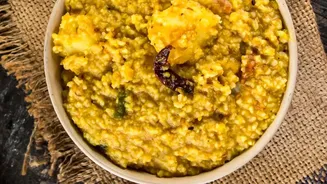
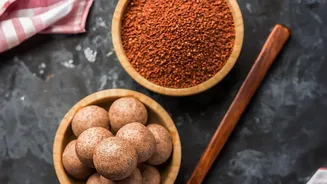
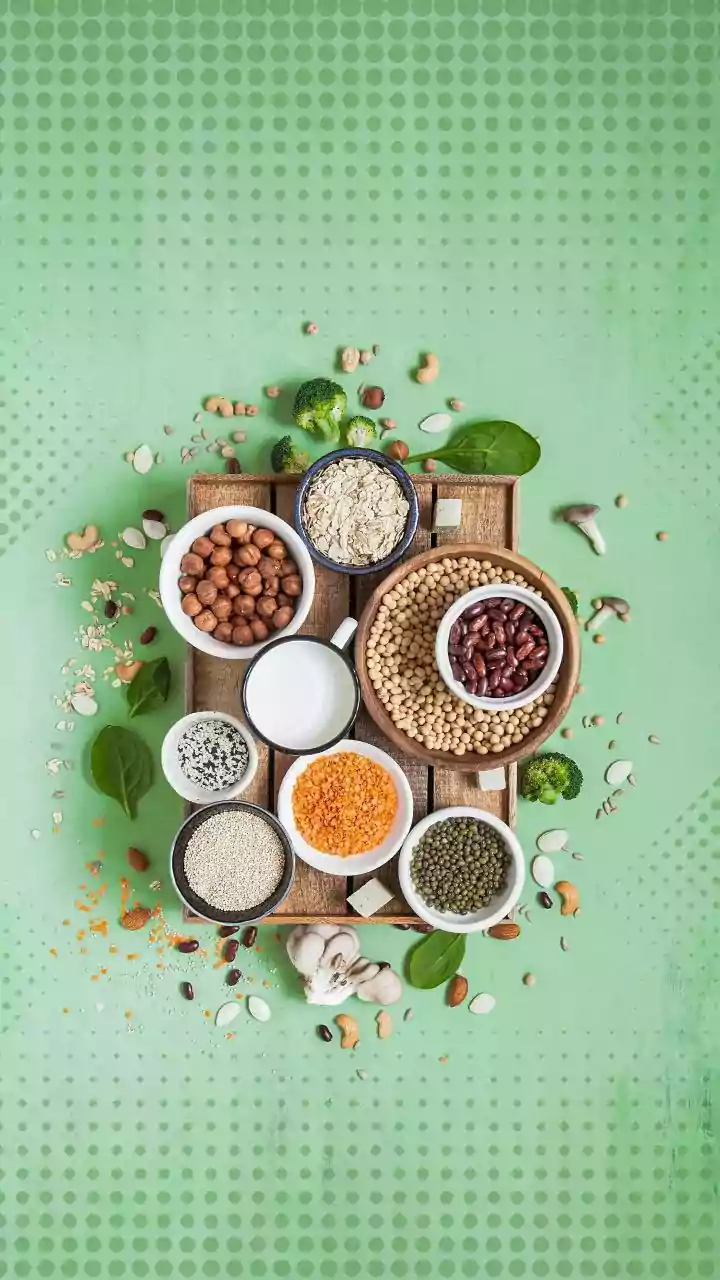
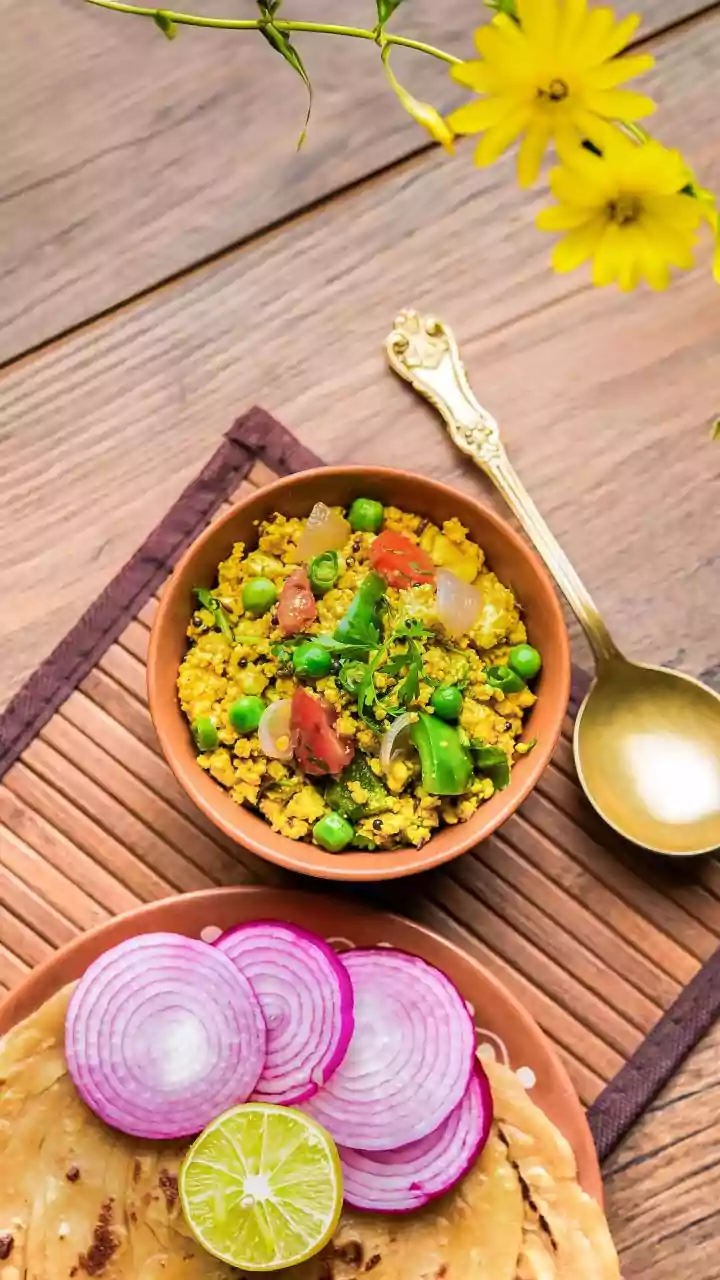
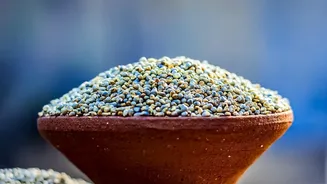
Incorporating more whole grains into an Indian diet is simpler than it seems. It doesn't require a complete overhaul of your eating habits but rather a series of simple swaps. Opt for rotis made from whole wheat (atta) instead of maida. Choose brown rice or unpolished rice over white rice for your daily meals. Explore traditional Indian grains like bajra (pearl millet), jowar (sorghum), and ragi (finger millet), which are nutritional powerhouses. When buying packaged foods, don't be fooled by terms like 'multigrain' or 'made with whole grain'. Check the ingredients list; the first ingredient should be a 'whole' grain, like 'whole wheat flour'.