

The End of the Checklist
For decades, the mark of a 'good' trip was a packed itinerary. Seeing Paris meant seeing the Eiffel Tower, the Louvre, and Notre Dame in a breathless rush. But for many young travellers today, that model feels hollow. They are leading a shift towards
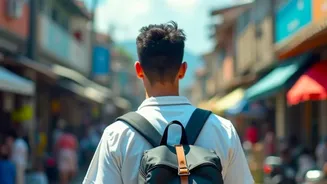
what the industry calls 'slow travel' or 'immersive travel'. This approach favours longer stays in a single destination over hopping between multiple cities. The goal is no longer to simply see a place, but to understand it. Instead of a frantic race to tick off a list of famous sights, the focus is on engaging with the local rhythm of life. It’s about spending an afternoon in a neighbourhood cafe, shopping at a local market, or learning a few words of the language — experiences that foster a genuine connection.
What's Driving the Shift?
Several factors are fuelling this change in travel philosophy. Firstly, it’s a reflection of Gen Z and Millennial values, which often prioritize experiences over possessions and personal development over prestige. Secondly, there's a strong economic driver. Slow travel can be more affordable; longer stays often unlock discounted rental rates, and cooking meals with local produce is cheaper than dining out every night. The rise of remote work has also enabled 'digital nomads' to embed themselves in a community for weeks or months. Finally, there’s a growing awareness of the negative impacts of mass tourism, leading to a desire for more sustainable and responsible travel that supports local businesses directly.
What Immersion Looks Like
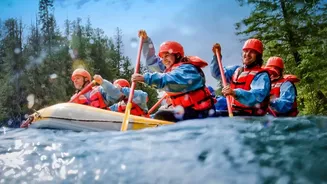
So, what does this new style of travel look like in practice? It's incredibly diverse. For some, it's 'sight-doing' rather than sightseeing. A recent American Express report found that 79% of young travellers are likely to seek out local workshops, like a tortilla-making class in Mexico City or a fragrance workshop in Paris. For others, it's about culinary immersion through food markets, or artistic immersion by visiting local galleries and performances. It can also mean choosing alternative transport like trains to get a better sense of the country, volunteering for a local project, or staying on a farm. The common thread is a move away from passive observation toward active participation.
The Social Media Paradox
Social media plays a complicated role in this trend. On one hand, the pressure to post a perfect, enviable vacation has driven some of the worst aspects of checklist tourism. Platforms like Instagram and TikTok are powerful tools for travel inspiration and have a huge influence on destination choices. However, there is also a growing backlash against this curated reality. Many young people are now seeking out more authentic, unscripted, and even 'un-Instagrammable' moments. They crave genuine stories and are wary of content that feels overly commercial or inauthentic. This desire for authenticity is a key reason they are turning away from crowded tourist traps and toward more personal, immersive experiences.